Characterful stays

Eight inns and hotels along the Cotswold Way where the evening still belongs to the village - stone walls, a proper meal, and a bed within reach of the trail, from Chipping Campden to Bath.

A day on the Cotswold Way ends in a particular kind of room. The path has been escarpment, beech wood, and a village of honey-coloured stone; the evening is the fire, the bar, and a meal the village is eating too. These eight places were chosen because they still carry that feeling, from the northern trailhead to the finish in Bath.

What they share is a roof that still belongs to its town. Several began as coaching inns, built to feed travellers and change horses on the roads that this walk now follows. You get flagstones or a Georgian front, a kitchen that cooks for the room as well as for people who have walked in, and a bed close enough to the Way that the morning starts on foot. The last of the eight is in Bath, where the same idea survives as a townhouse a short stroll from the Abbey.

The list runs north to south, in the order you meet them from Chipping Campden. Summer weekends and bank holidays fill these rooms early, so book ahead, and confirm a late arrival if your stage might finish after the kitchen has closed. Each card opens a booking page. For every other bed on the route, browse Accommodation, and for a closer look at five pubs along the Way, read Historic inns of the Cotswold Way.

The eight stays

  1. The Red Lion in Chipping Campden

    Chipping Campden

    The Red Lion

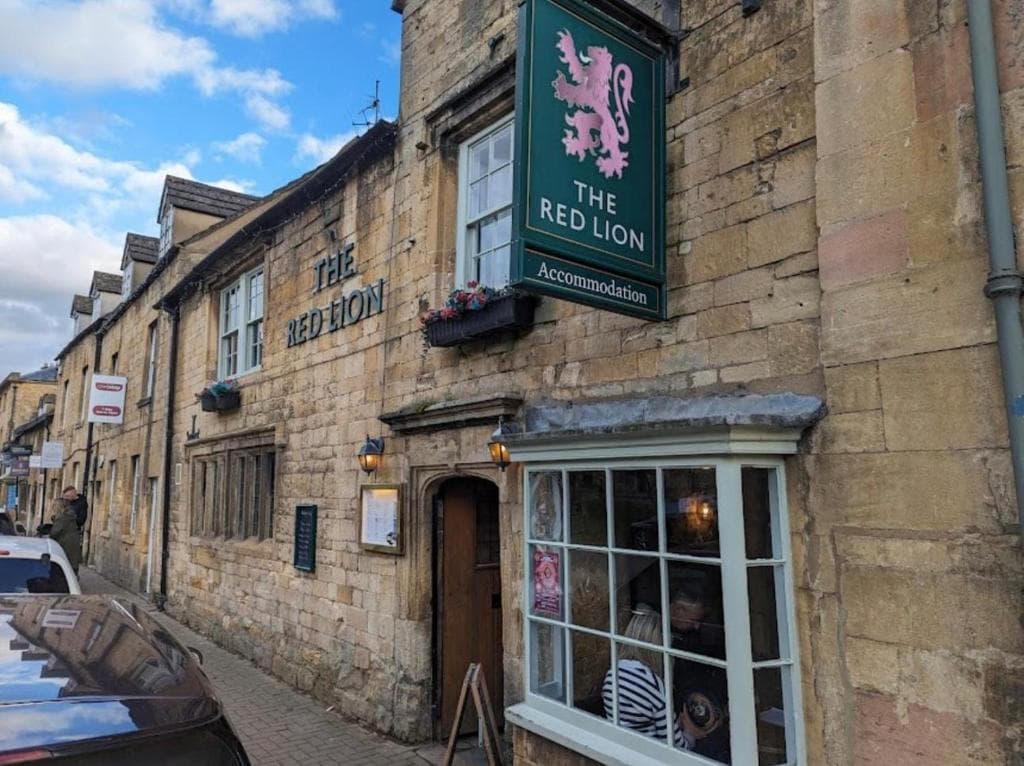
    A Cotswold-stone inn on the High Street, a short walk from the Market Hall where the Way begins. The building dates from the 16th and 17th centuries, with flagstone floors, low beams, and an inglenook fitted with stone seats. It is the natural first night if you arrive the evening before you set out.

  2. The Lygon Arms in Broadway

    Broadway

    The Lygon Arms

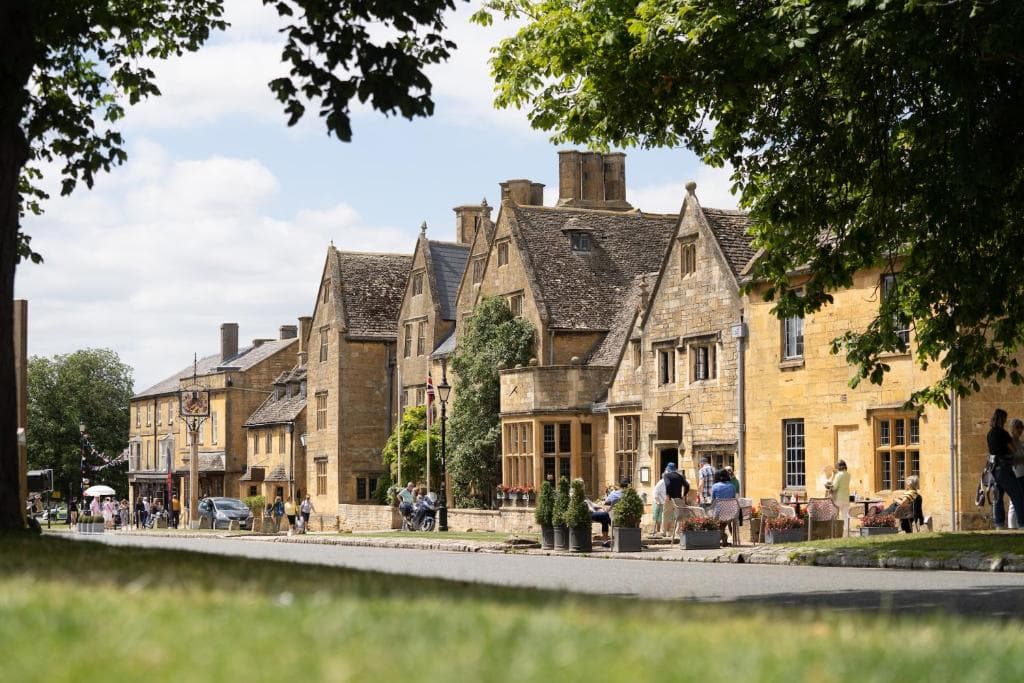
    Broadway's coaching inn, on the High Street as the Way comes down from Broadway Tower. The stone doorway is dated 1620, carved for the landlord John Trevis and his wife Ursula; an inn was recorded on this site in 1377. It is a hotel now, with a dining room and a spa, still behind that old front.

  3. The Lion Inn in Winchcombe

    Winchcombe

    The Lion Inn

    A 16th-century coaching inn on North Street, long known as the White Lion. Oak beams and stone fireplaces remain, with a lawn behind the house for a meal after the stage. Winchcombe is a wool town between the northern hills and Cleeve, and Sudeley Castle sits on the edge of it.

  4. Royal George Hotel in Birdlip

    Birdlip

    Royal George Hotel

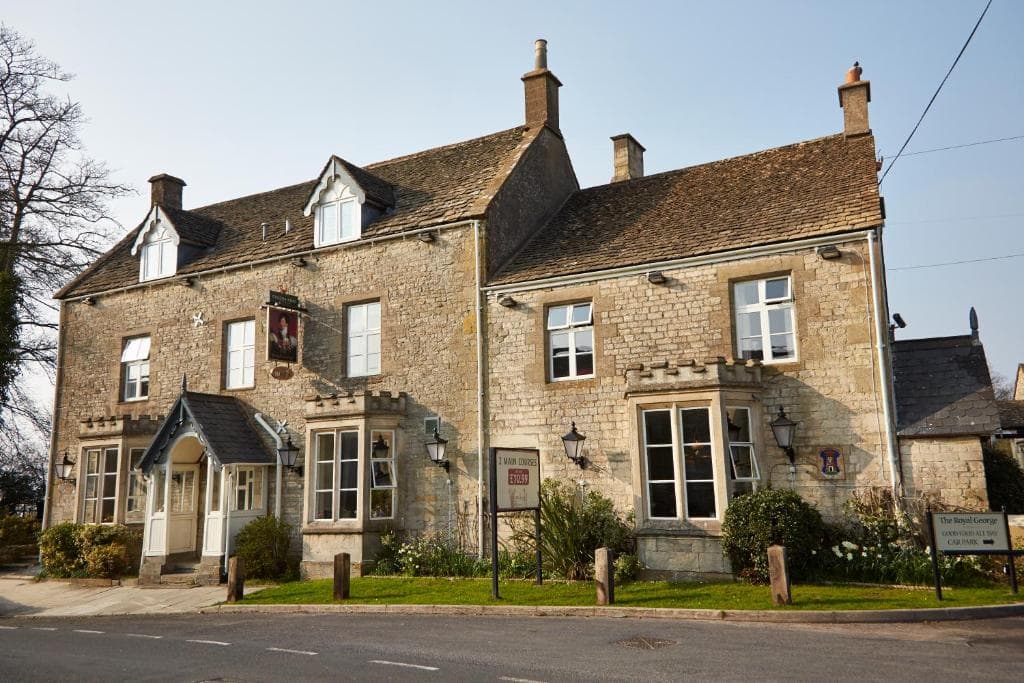
    A stone hotel at the top of Birdlip, on the old line of Roman Ermin Street, where the ground drops toward the Severn Vale. The house has gardens and a terrace, and some rooms open onto the grounds. Food is served through the evening, which helps when the escarpment stage runs long.

  5. The Falcon Inn in Painswick

    Painswick

    The Falcon Inn

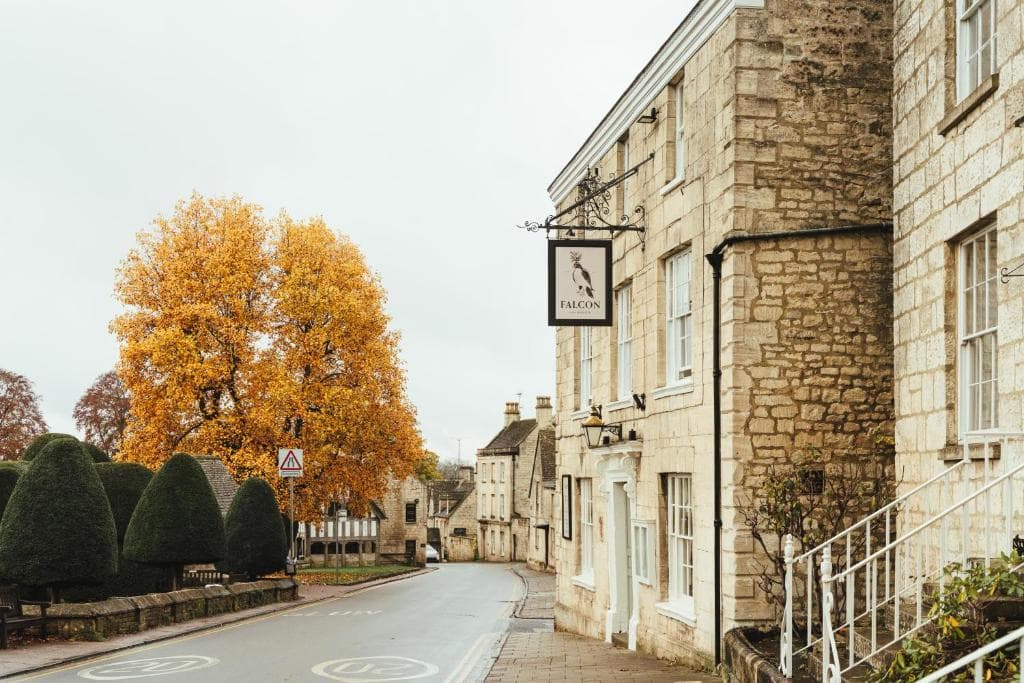
    A Georgian inn on New Street, established in 1828, opposite the churchyard famous for its clipped yews. The bar and restaurant belong to the town as much as to walkers breaking the middle of the Way. Rooms upstairs let you stay in Painswick rather than pushing on to the next valley.

  6. Swan Hotel in Wotton-under-Edge

    Wotton-under-Edge

    Swan Hotel

    A former coaching inn on Market Street, still the town hotel: an open fire in the bar, a restaurant, and rooms above the street. Coaches once left from here for Charfield station. The Way runs along the edge of town, so it is a straightforward overnight on the southern escarpment.

  7. Crown Inn at Tolldown

    Tolldown

    Crown Inn at Tolldown

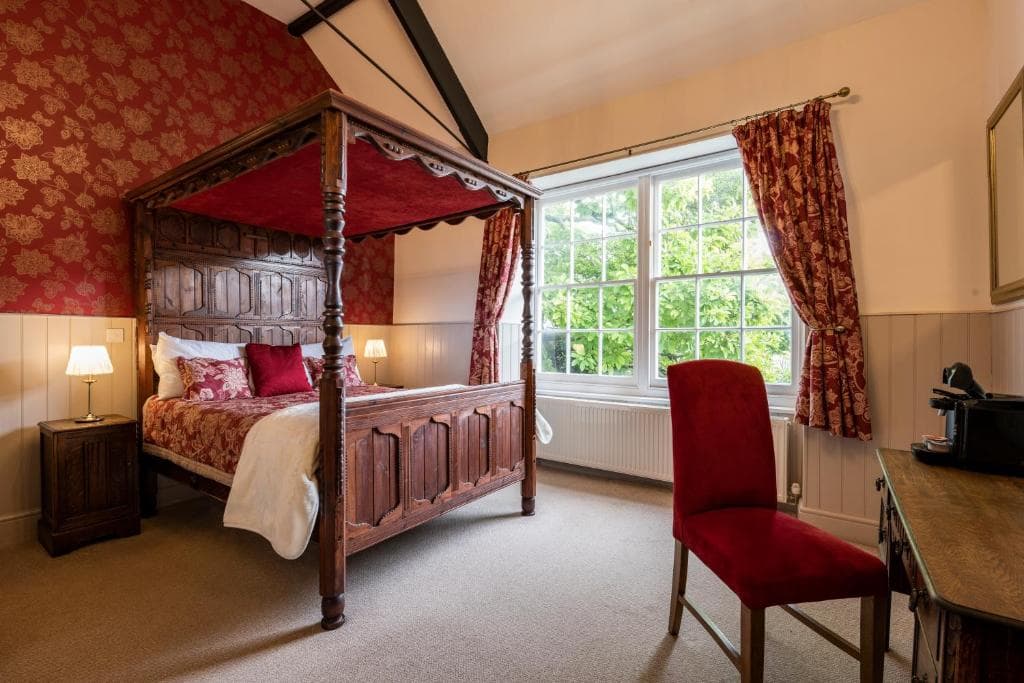
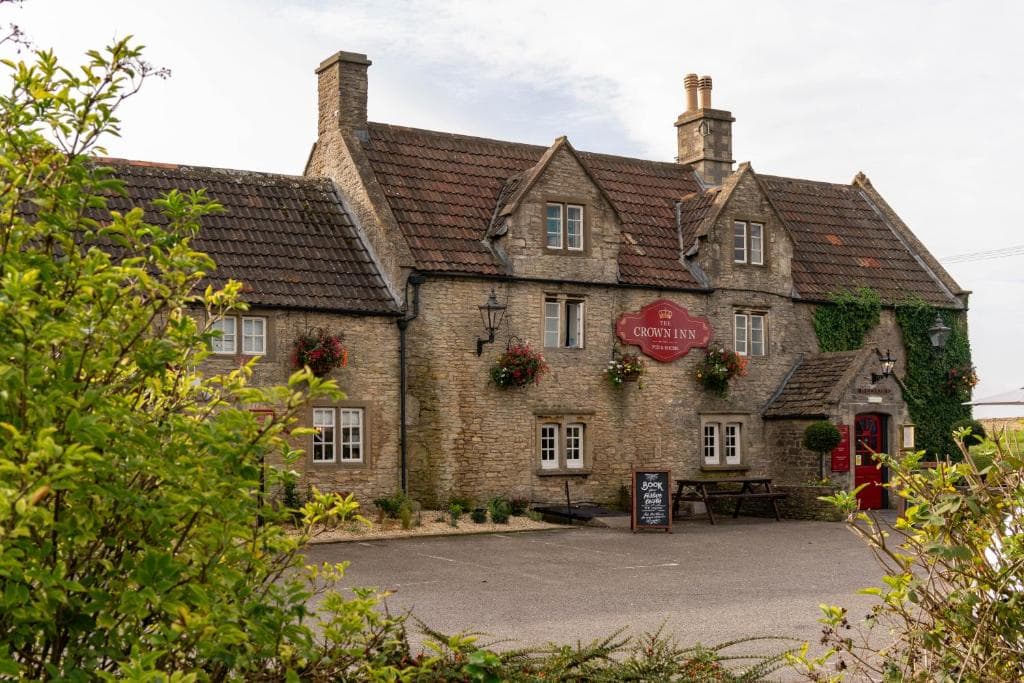
    A country inn at Tolldown, in open ground near Dyrham Park, with a restaurant and rooms for people walking the southern Way. It is a quieter night than the busier villages further north: dinner and breakfast under one roof, then the last days toward Bath.

  8. Broad Street Townhouse in Bath

    Bath

    Broad Street Townhouse

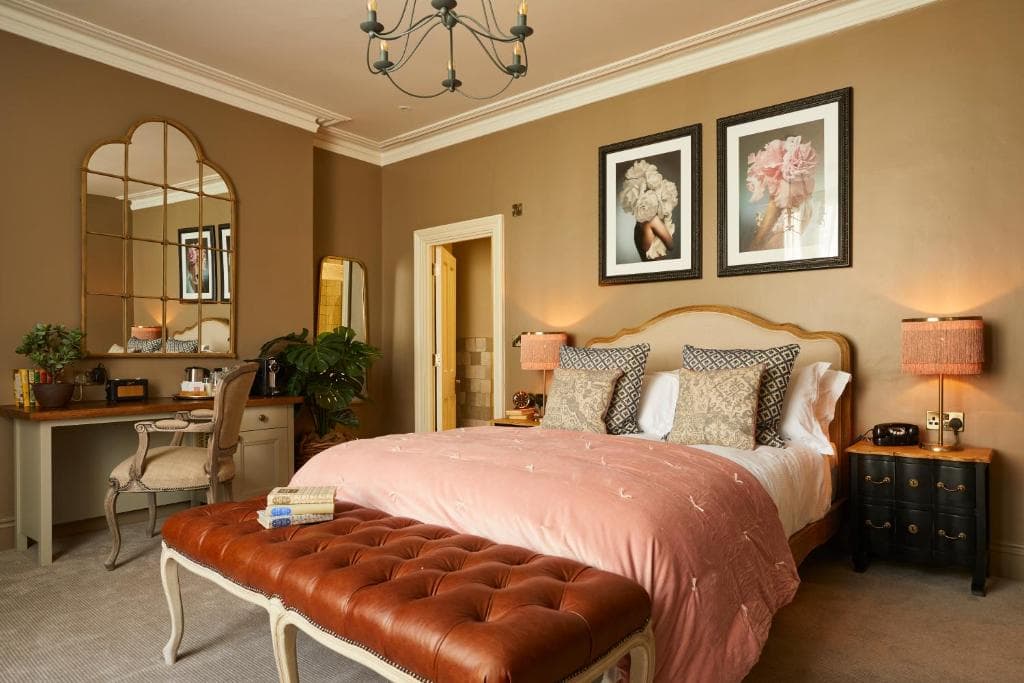
    A townhouse hotel on Broad Street, a short stroll from Bath Abbey, where the Cotswold Way finishes. The restaurant serves British cooking, and the rooms suit an arrival on foot into a city. It is the urban end of the same habit: a dining room, a proper bed, and the street outside when you wake.

Organizations supporting the trail