Discover the Cotswolds as a region of limestone hills, wool churches, and stone villages - then follow how the Cotswold Way grew from Ramblers' proposals into a National Trail walked by thousands each year.
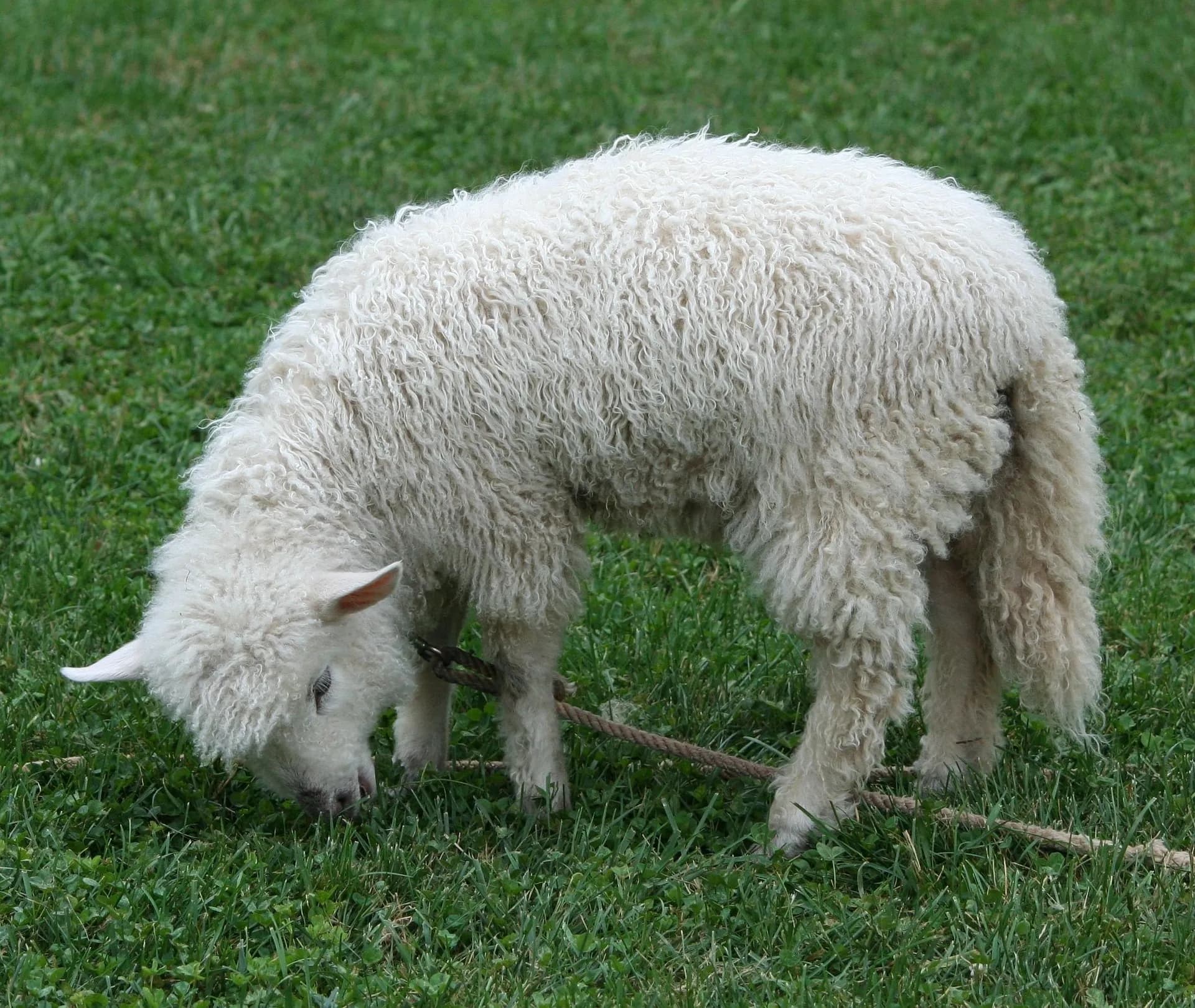
The Cotswolds are a sweep of rolling hills - or wolds - in South West and South Central England. They rise from the meadows of the upper Thames toward a steep escarpment that looks out over the Severn Valley and the Vale of Evesham. Underfoot lies Jurassic limestone: the rock that builds honey- and golden-coloured villages, feeds distinctive grassland habitats, and gives the landscape its pale, luminous stone.
The hills cross several counties - chiefly Gloucestershire and Oxfordshire, with parts of Wiltshire, Somerset, Worcestershire, and Warwickshire. Their western and northern edge is the Cotswold Edge, a broken limestone scarp formed where the rock layer was tilted and exposed. Inland, a gentler dip slope falls away to the south-east. The highest point is Cleeve Hill at 330 m (1,083 ft), just east of Cheltenham - a summit many Cotswold Way walkers know well.
The name is often explained as "sheep enclosure in rolling hillsides," combining ideas of a cot (enclosure) with wold (open or wooded upland). Place-name scholars also link early forms such as Codesuualt to "Cod's high open land," with Cod possibly an Old English personal name - or, in some readings, a distant echo of an older Brittonic figure associated with the hills.
People have marked this high ground for millennia. Neolithic burial chambers sit on the Edge; Bronze and Iron Age forts crown ridges; Romans built villas such as Chedworth, founded towns including Gloucester, and paved the Celtic route later known as the Fosse Way. In the Middle Ages the Cotswold Lion sheep made the region rich through the wool trade with the continent - especially between about 1250 and 1350, when much of the clip went to Italian merchants. Wealth from wool paid for the great "wool churches" that still dominate so many village skylines.
Cotswold stone - a yellow oolitic limestone rich in fossils - weathers to the honey and gold tones that travellers recognise at once. Colour shifts along the range: warmer honey in the north around Stanton and Broadway, deeper gold toward Dursley and Cirencester, and a pearly white around Bath. Roughly four-fifths of the wider hills remain farmland; barley, wheat, beans, and oilseed rape share the plateaus with sheep, while thousands of miles of footpaths, bridleways, and historic dry-stone walls stitch the fields together.
Since 1966 a large part of the hills has been protected as what is now the Cotswolds National Landscape (still legally an Area of Outstanding Natural Beauty). The designation covers about 2,038 km2 (787 square miles) - roughly 40 km across and 140 km long from near Stratford-upon-Avon down toward Bath - making it the largest National Landscape in England and Wales and the country's third-largest protected landscape after the Lake District and Yorkshire Dales. It was set aside not only for pretty villages that seem to grow from the rock, but for rare limestone grassland and old-growth beech woodland that shelter scarce plants and insects. Cirencester is the main town of the Cotswold district; market towns and villages such as Chipping Campden, Painswick, Winchcombe, Broadway, and Bourton-on-the-Water draw visitors year-round.
Out of this landscape grew the idea of a single continuous walk along the escarpment - a trail that would join the stone towns, beech hangers, and long views into one journey. Today that route is the Cotswold Way: a 102-mile National Trail from Chipping Campden to Bath, riding the Edge for much of its length with outlooks across the Severn Vale. The path exists because the region already held ancient tracks, drove roads, and a dense web of rights of way - and because campaigners later fought to stitch them into a named long-distance trail. The story below follows that thread from post-war countryside law to National Trail status.
Along the Way you pass hillforts, churches, manor houses, and remnants of the wool trade - many highlighted on our Sights page. Finishers can also join the Hall of Fame.

The modern Cotswold Way sits on legal foundations laid just after the Second World War. The National Parks and Access to the Countryside Act 1949 - often remembered simply as the Countryside Act - was passed with all-party support as part of post-war reconstruction. It created the National Parks Commission (a forerunner of bodies that later became Natural England), and it gave England and Wales a framework for National Parks, Areas of Outstanding Natural Beauty, nature reserves, public paths, and access to open country.
For walkers, two parts of the Act matter most. First, it strengthened the recording, creation, and care of public rights of way - the everyday paths that still make up much of the Cotswold Way. Second, it enabled the idea of designated long-distance routes: continuous trails managed to a national standard, rather than a loose chain of local footpaths. That vision, shaped by earlier reports including Sir Arthur Hobhouse's 1947 committee, is what we now know as the National Trails network.
Without that framework, Tony Drake and Cyril Trenfield would have had no clear national mechanism to propose a Cotswold Edge route in the 1950s, and the path could not later have become an official National Trail in 2007 - with the powers, funding expectations, and acorn waymarking that accompany the designation. The Cotswolds themselves also sit in the landscape-protection tradition the Act helped establish: today's Cotswolds National Landscape (formerly an AONB) continues that work of balancing access, beauty, and local stewardship along the escarpment.
The concept of a continuous path along the escarpment was first proposed over 50 years ago by members of the Gloucestershire-area Ramblers. The two principal figures behind the vision were Tony Drake of Cheltenham and Cyril Trenfield of South Gloucestershire.
Building on the 1949 Act's framework for long-distance paths, Drake put forward the specific idea of a route following the Cotswold Edge. In 1953, the Gloucestershire Committee of the Ramblers Association submitted formal plans to the National Parks Commission.
Although the commission acknowledged the proposal in its annual report that year, the plans were effectively pigeonholed and largely forgotten for over a decade.
The project was revived in 1968 when Gloucestershire County Council included the route in its recreational plan for the countryside. Because the council did not have the specific powers to create new footpaths at the time, the original trail was designed using only existing public rights of way.
The scheme was officially launched during Footpath Week in May 1970. In its early years, while the path was prioritised for signposting, it lacked the government grants available to official national routes, meaning local volunteers and wardens were essential for its maintenance.
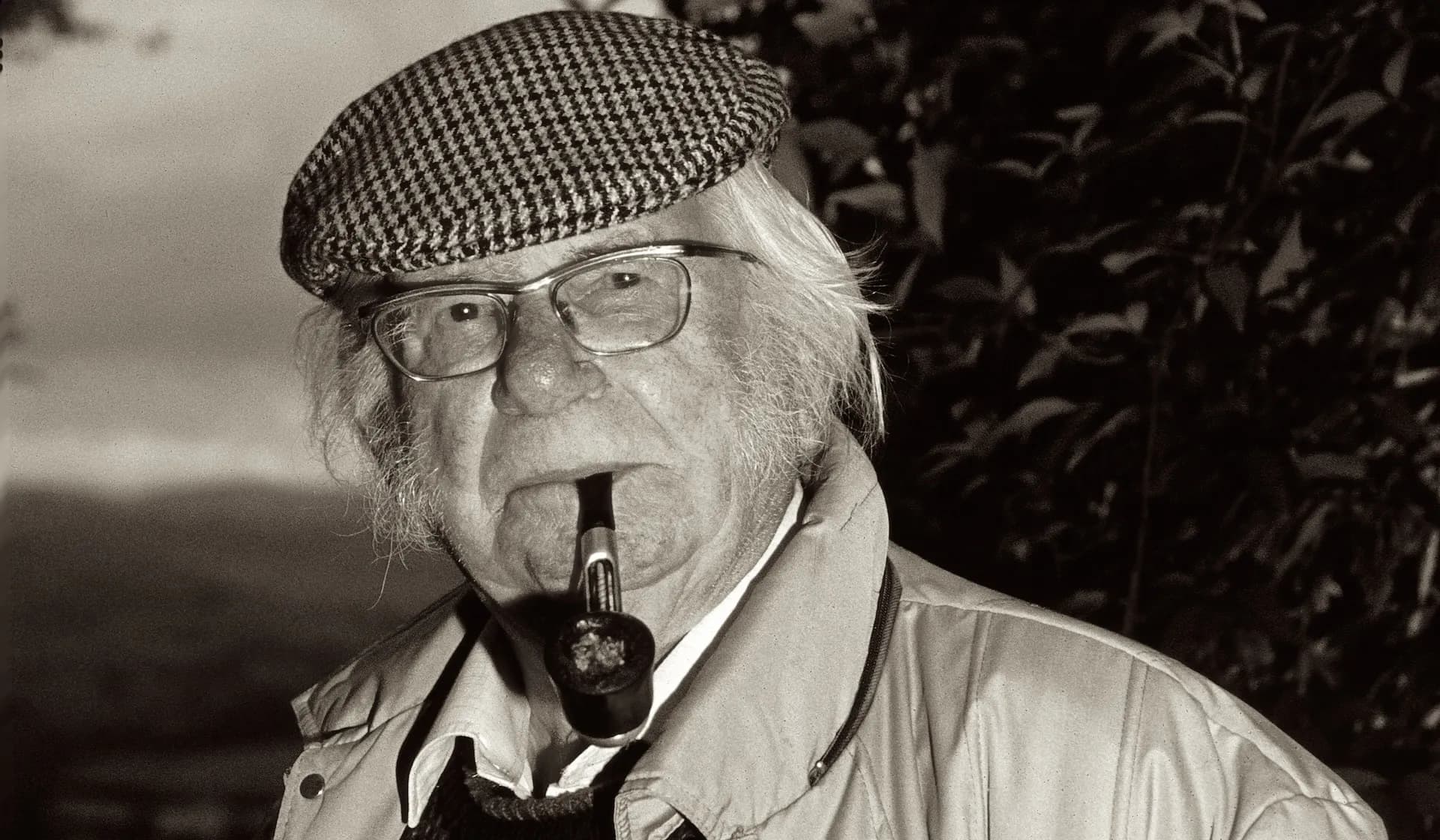
The trail's reputation grew significantly in 1973 when rambler Mark Richards published an early guide to the Way. This guide used the hand-drawn pictorial style popularised by Alfred Wainwright, making the route more accessible and appealing to a wider audience of hikers. Over the following decades, the trail became celebrated for its diversity, passing iconic sites like the Neolithic long barrow at Belas Knap, Hailes Abbey, and Broadway Tower. The long-standing goal of official recognition was finally achieved on 24 May 2007, when the Cotswold Way was formally inaugurated as an official National Trail. This designation allowed for the creation of several new rights of way to improve the route and introduced the signature acorn waymarkers used to guide hikers along the 102-mile journey.
The trail celebrated its 50th anniversary in 2020, marking a half-century since its initial launch by the County Council. The contributions of its founders are permanently recognised along the path through specific memorials:
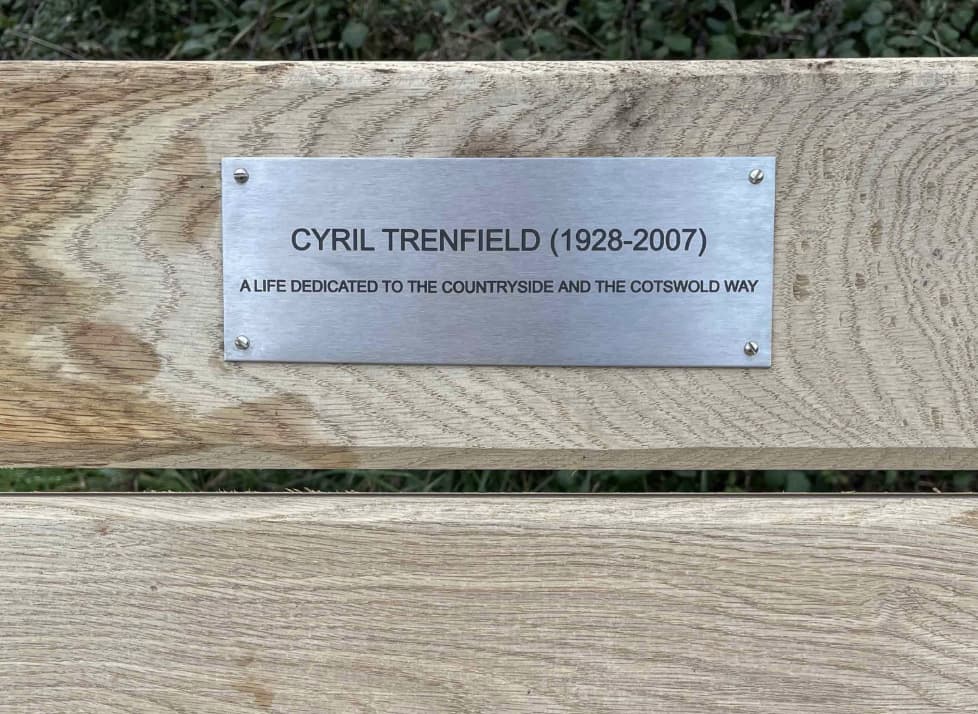
The bench, which had rotted over time, was recently replaced by the Cotswold Way Association and moved to a new location providing fine views across the Severn Valley. Recent history has also seen the development of unique trail traditions, such as the message box in Dyrham Wood. Placed approximately 20 years ago, this box contains a living archive where thousands of walkers record their personal stories and reflections as they near the trail's end in Bath. Today, the trail is maintained by the Cotswolds National Landscape team and a dedicated group of Cotswold Voluntary Wardens. For guided walks and trail contacts, see Community and expert guidance.