
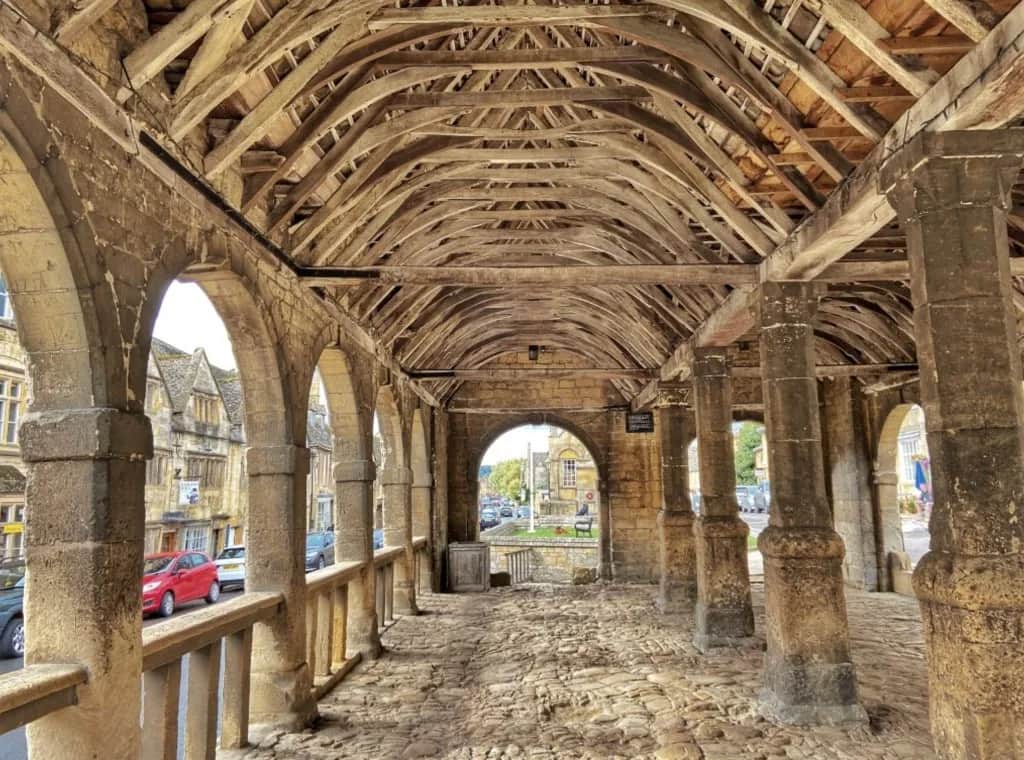
Chipping Campden Market Hall
A Jacobean produce hall of 1627 on the High Street, open-sided with worn cobbles and a timber roof - the traditional start of the Cotswold Way and a free National Trust landmark in the heart of Campden.
Read moreHeritage attractions, gardens, and monuments within reach of the Cotswold Way - perfect for rest days or short diversions from the main trail, from Roman villas to towers and market halls.
The Cotswold Way passes through an area rich in history. The places below are well-known stops for visitors; check opening times, tickets, and travel before you go - some require a short journey from the path by bus, train, or taxi. Match sights to your daily plan using Stages, our Walking guidance, and accommodation for rest days.
A Jacobean produce hall of 1627 on the High Street, open-sided with worn cobbles and a timber roof - the traditional start of the Cotswold Way and a free National Trust landmark in the heart of Campden.
Read more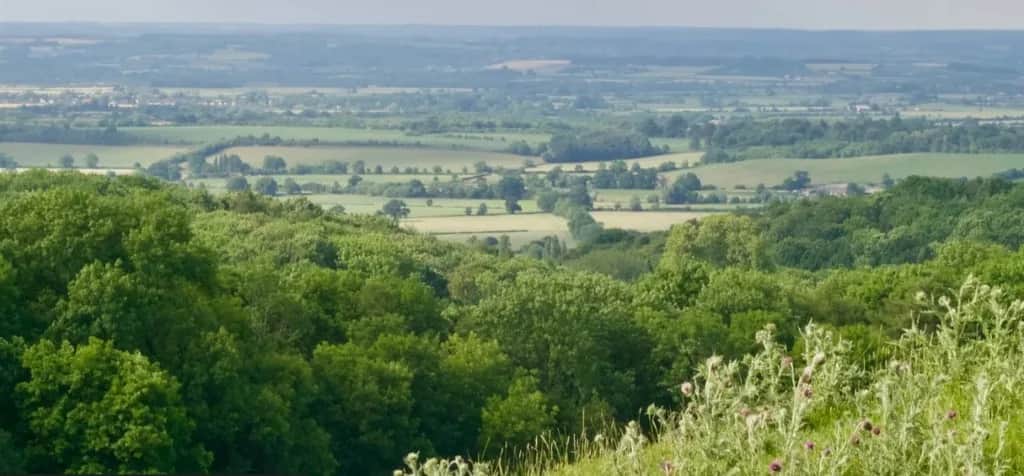
Open common on the northern escarpment above Chipping Campden, with wide views over the Vale of Evesham and home to the annual Cotswold Olimpicks - passed early on Stage 1 of the trail.
Read more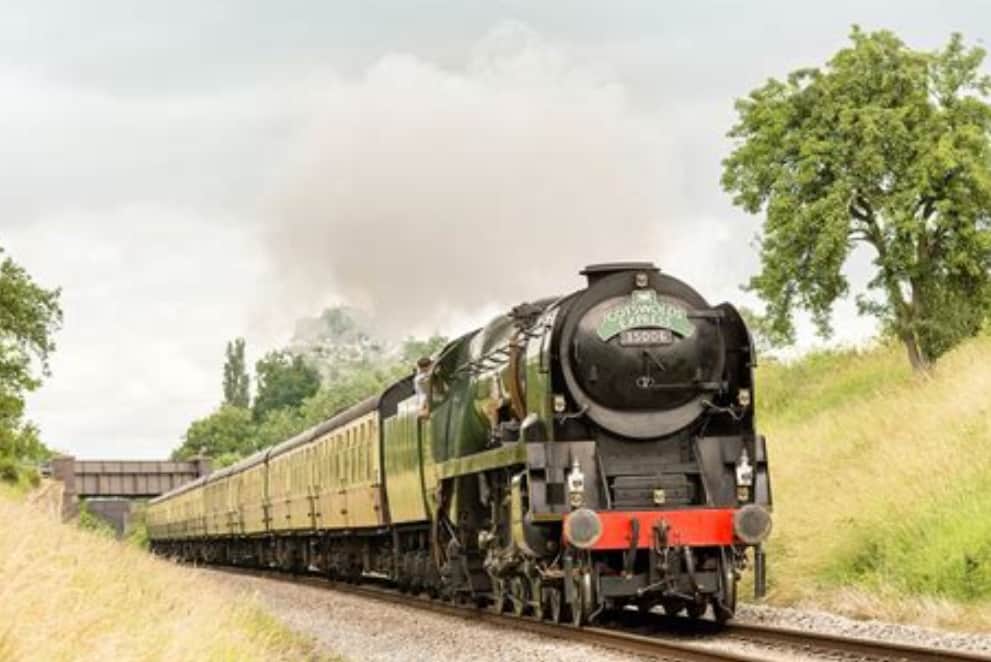
A volunteer-restored steam and diesel heritage line of about 14 miles, from Cheltenham Racecourse to Broadway via Winchcombe and Toddington - a popular rest-day outing from the northern Cotswold Way.
Read more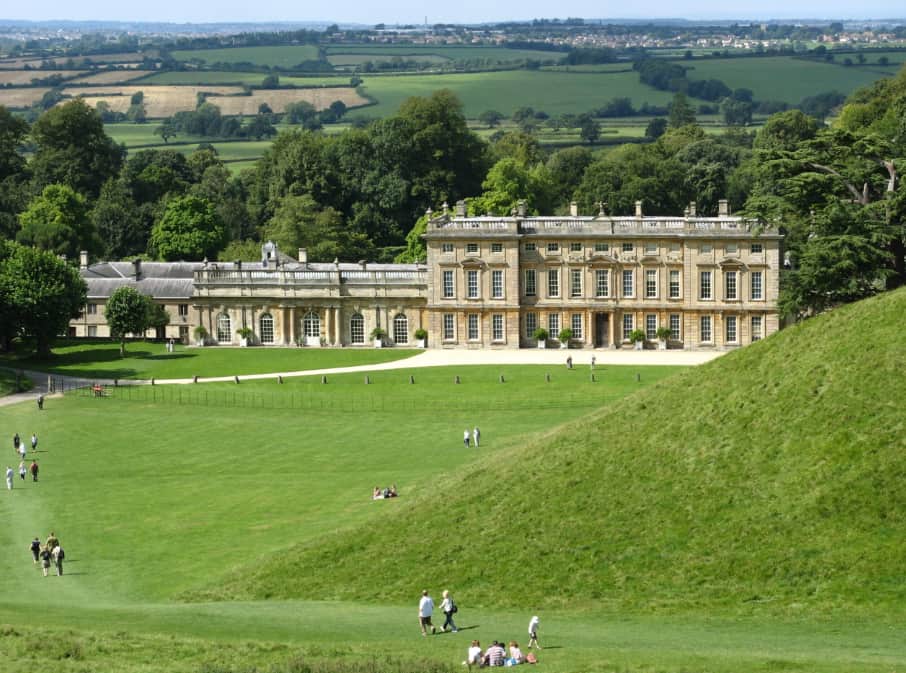
A Baroque National Trust house and deer park in a steep wooded valley, within reach of the Cotswold Way between Cold Ashton and Dyrham - gardens, cafe, and a manageable diversion from the trail.
Read more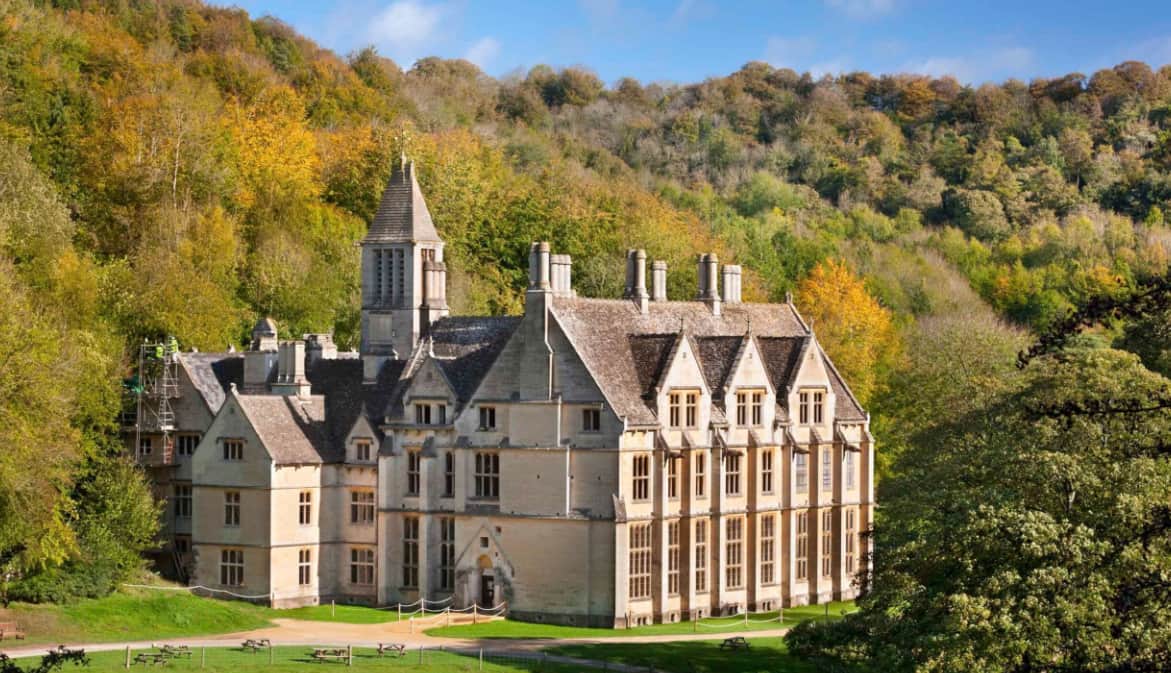
An unfinished Victorian Gothic house in a quiet Stroud valley, opened on selected days for guided tours of its roofless rooms, architecture, and woodland setting near the Cotswold Way.
Read more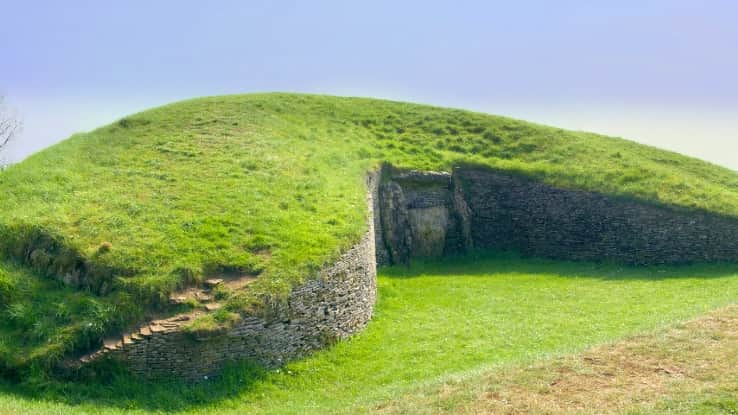
A Neolithic long barrow on Cleeve Common above Winchcombe, a short signed walk from the Cotswold Way and free to visit in the care of English Heritage on exposed limestone grassland.
Read more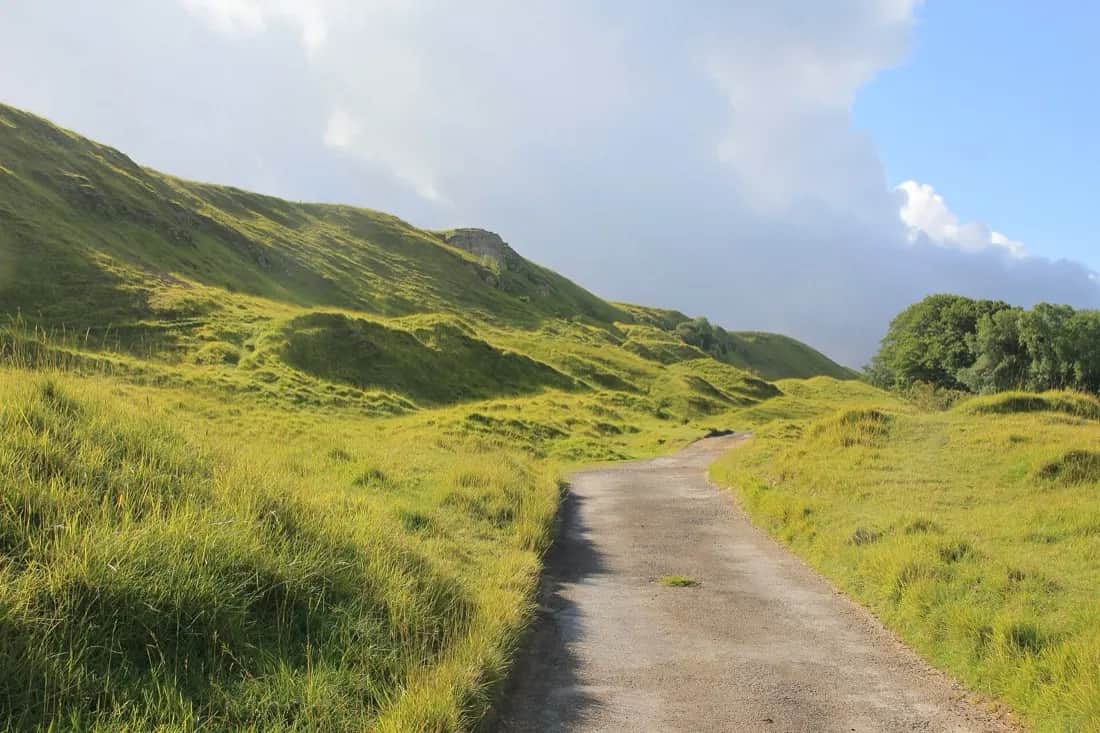
The highest ground on the Cotswold Way and the Cotswolds at 330 m - open limestone common above Cheltenham with far views across the Severn Vale, passed on Stages 4 and 5.
Read more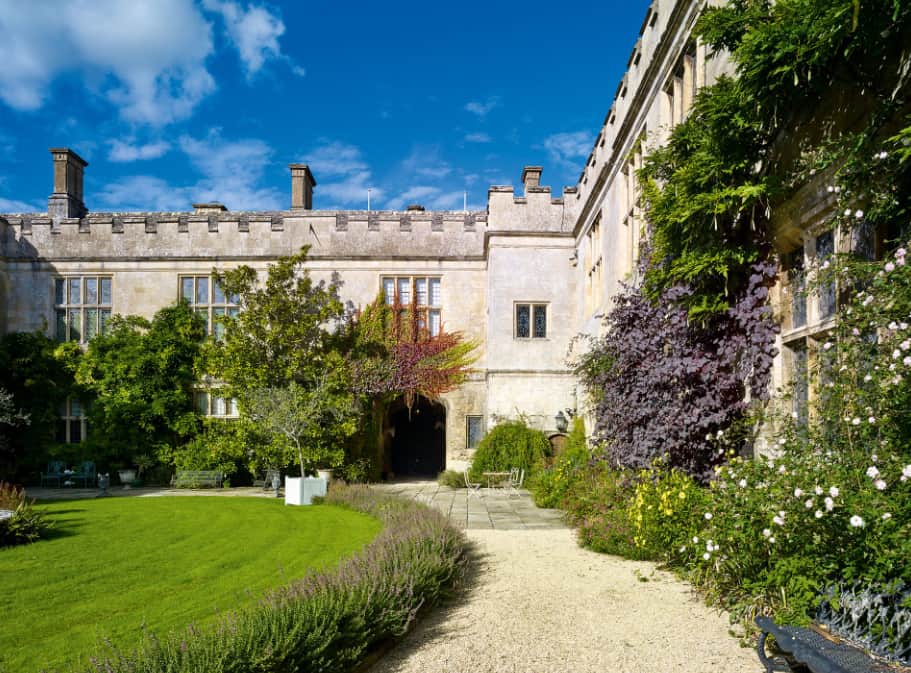
A partly lived-in castle on the edge of Winchcombe, with gardens, Tudor history, and St Mary's Church - the burial place of Katherine Parr and a natural rest-day stop on Stage 3.
Read more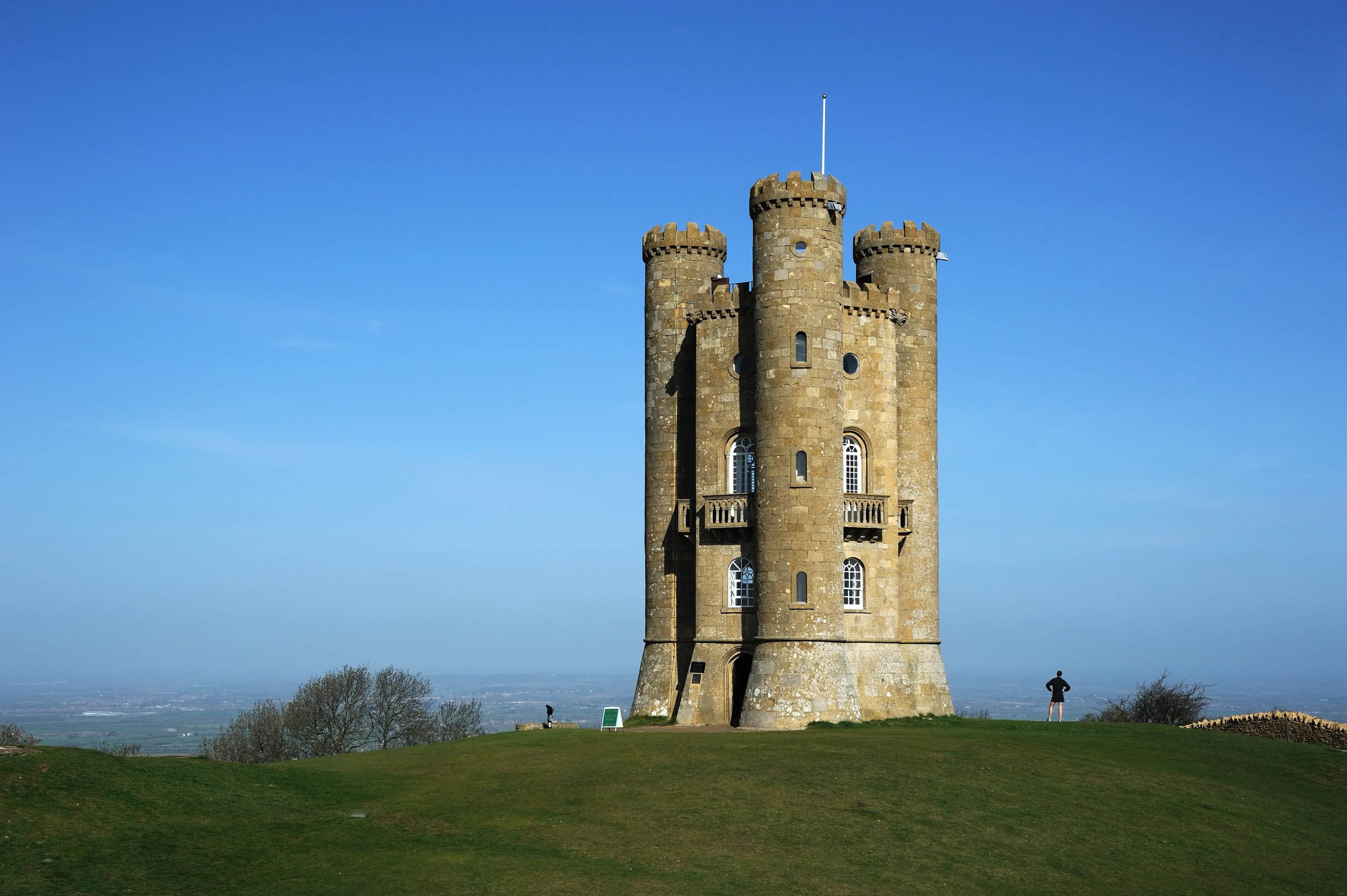
A Gothic folly of 1798 on the Cotswold escarpment above Broadway, with museum floors, rooftop views, a Cold War bunker, and parkland passed closely on Stage 1 of the trail.
Read more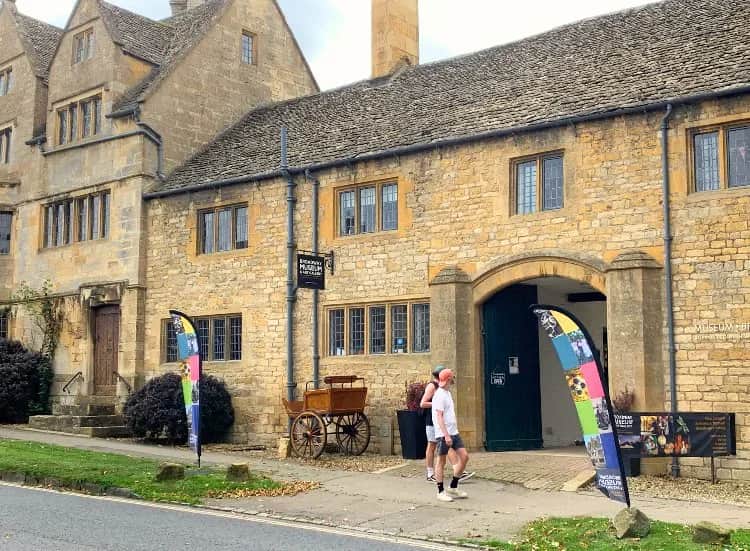
A community museum in a seventeenth-century High Street coaching inn, covering Broadway's wool trade, artists' colony, and coaching history - a short walk from Stage 1 overnight stops.
Read more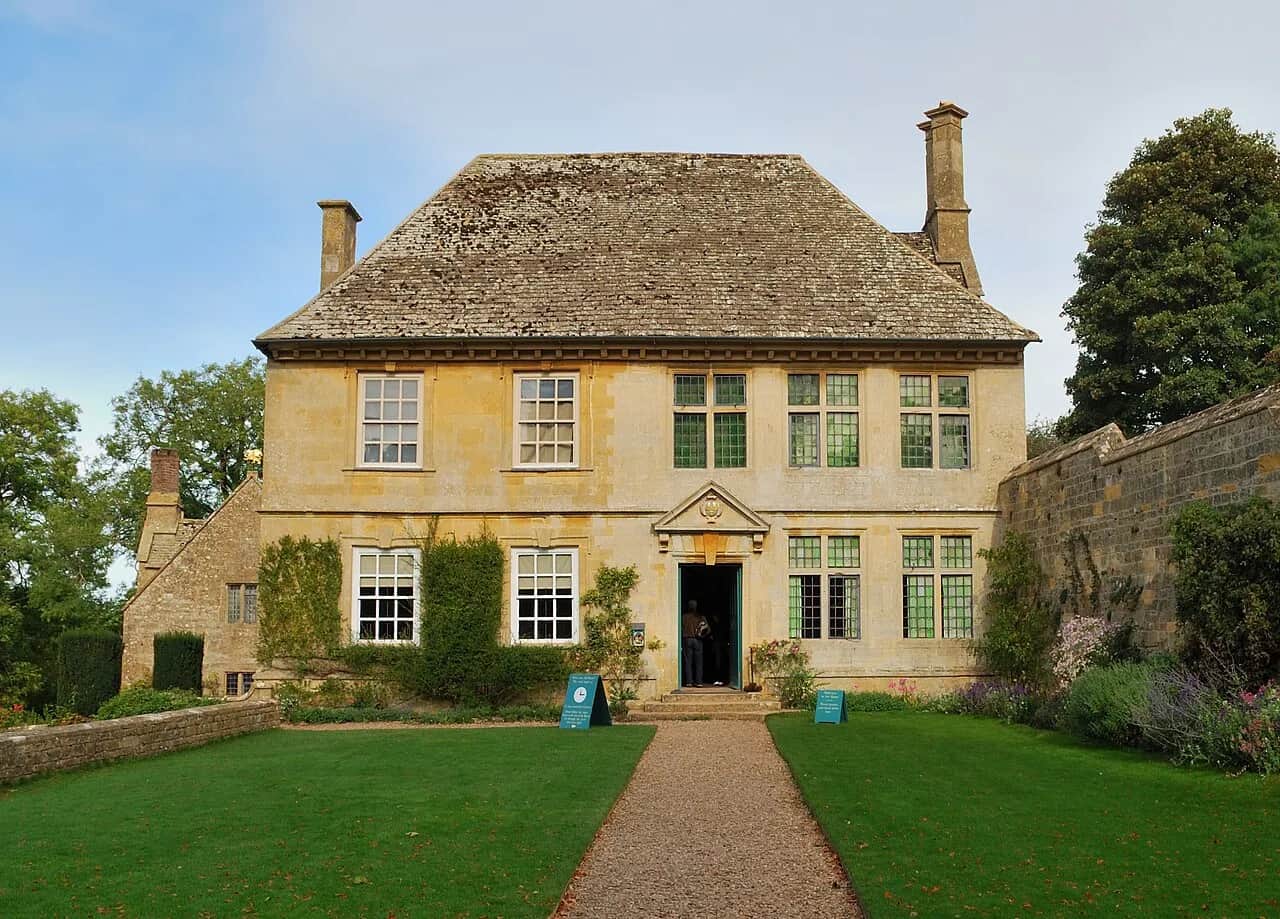
A National Trust manor and garden near Broadway, filled with Charles Wade's eccentric collections - about three-quarters of a mile down from the Cotswold Way by Snowshill village.
Read more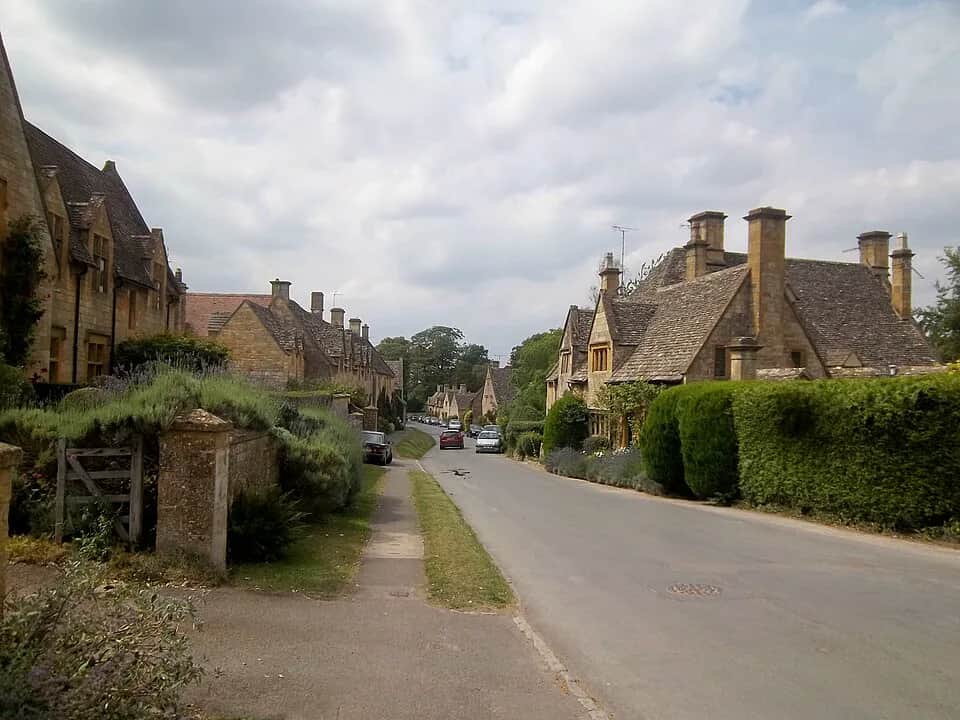
A honey-stone Cotswold village on Stage 2 between Broadway and Wood Stanway - High Street cottages, the Mount Inn up the hill, and the Cotswold Way running through the heart of the street.
Read more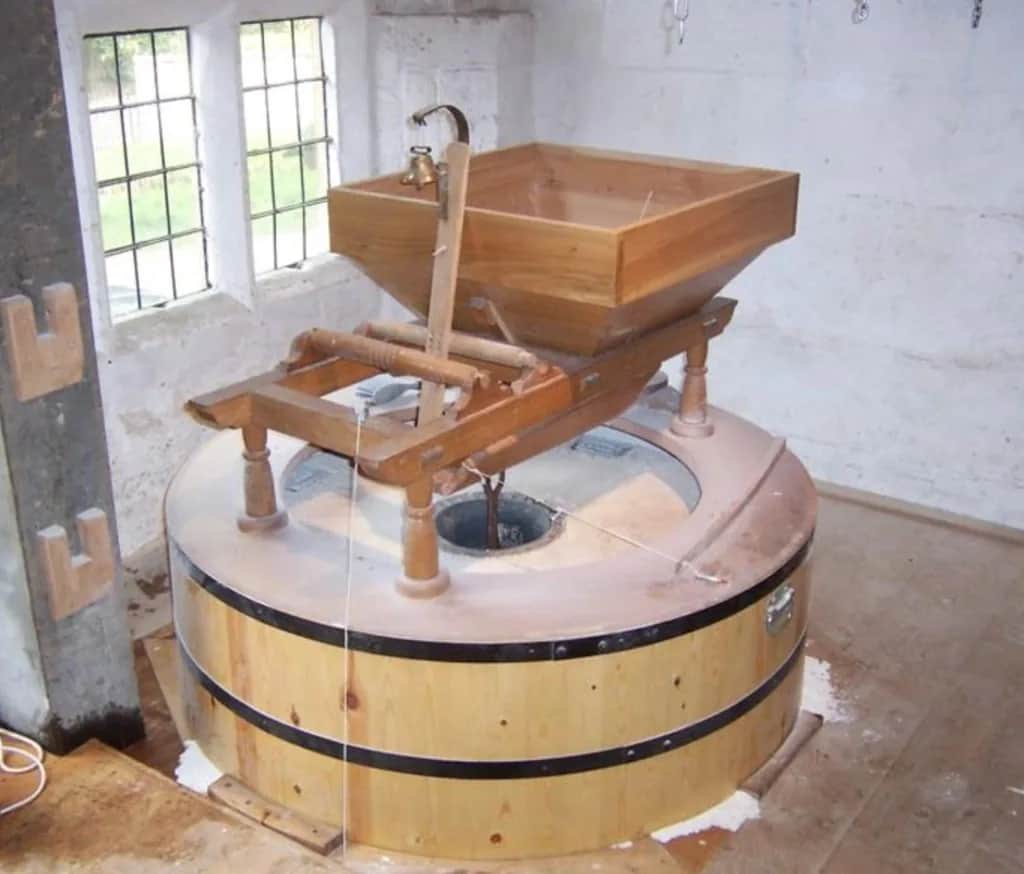
A fully restored 13th-century working flour mill within 20 yards of the Cotswold Way on the Stanway Estate, with a 24-foot Victorian waterwheel and stoneground flour for sale on site.
Read more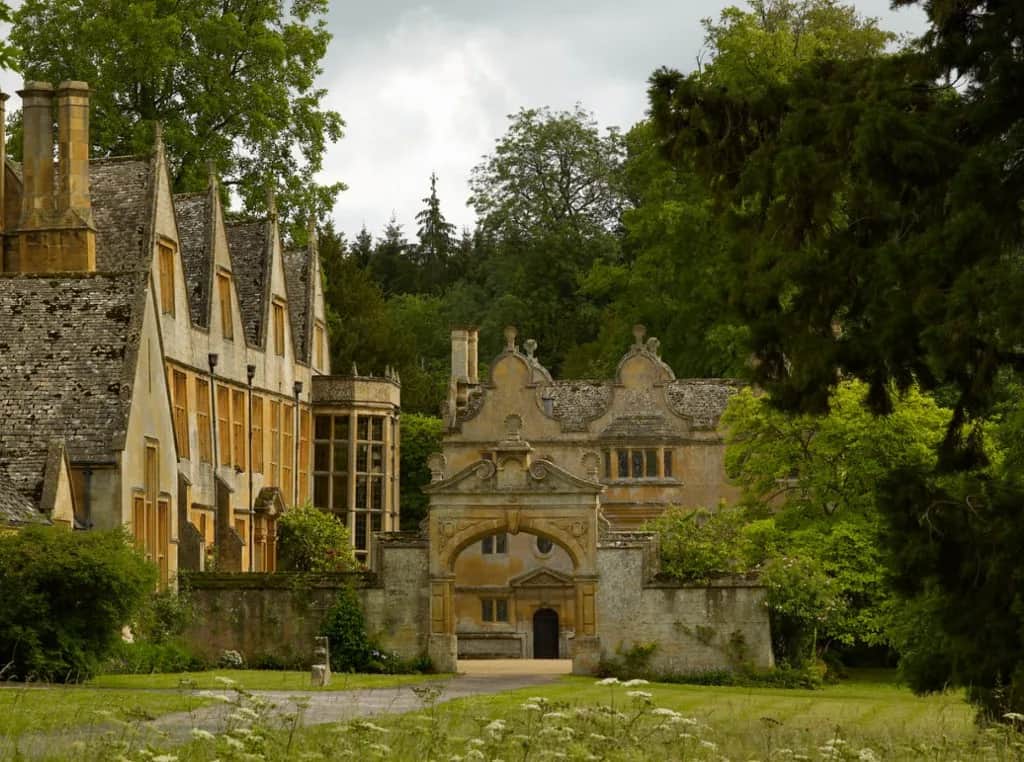
A Jacobean Cotswold manor on the Stanway Estate, with an ornate gatehouse and a dramatic gravity-fed fountain - passed on Stage 2 between Stanton and Wood Stanway.
Read more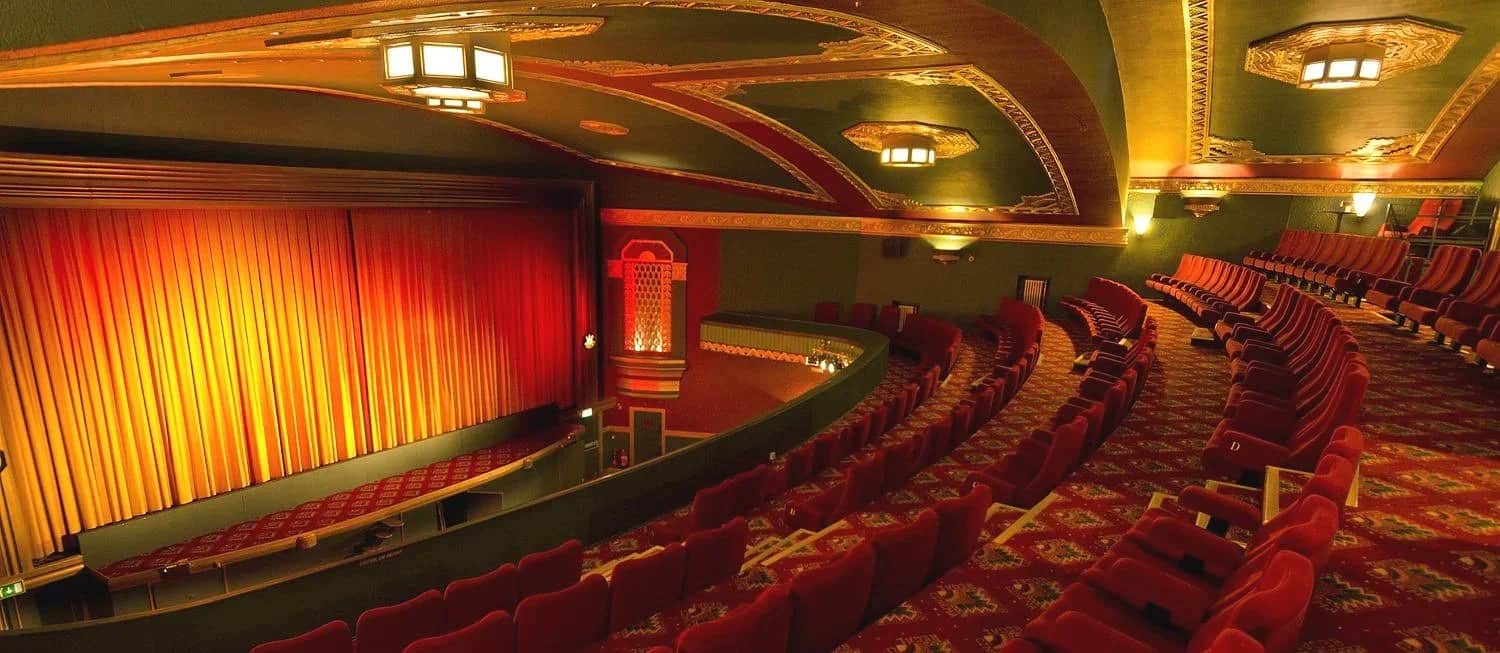
A restored Art Deco cinema in Evesham, loved by locals for its historic auditorium and still showing contemporary films, live music, and comedy - a rest-day evening from the northern trail.
Read more
A working whisky and gin distillery at Stourton, near Shipston-on-Stour, offering booked tours, tastings, and a shop a short taxi journey from the northern Cotswold Way stages.
Read more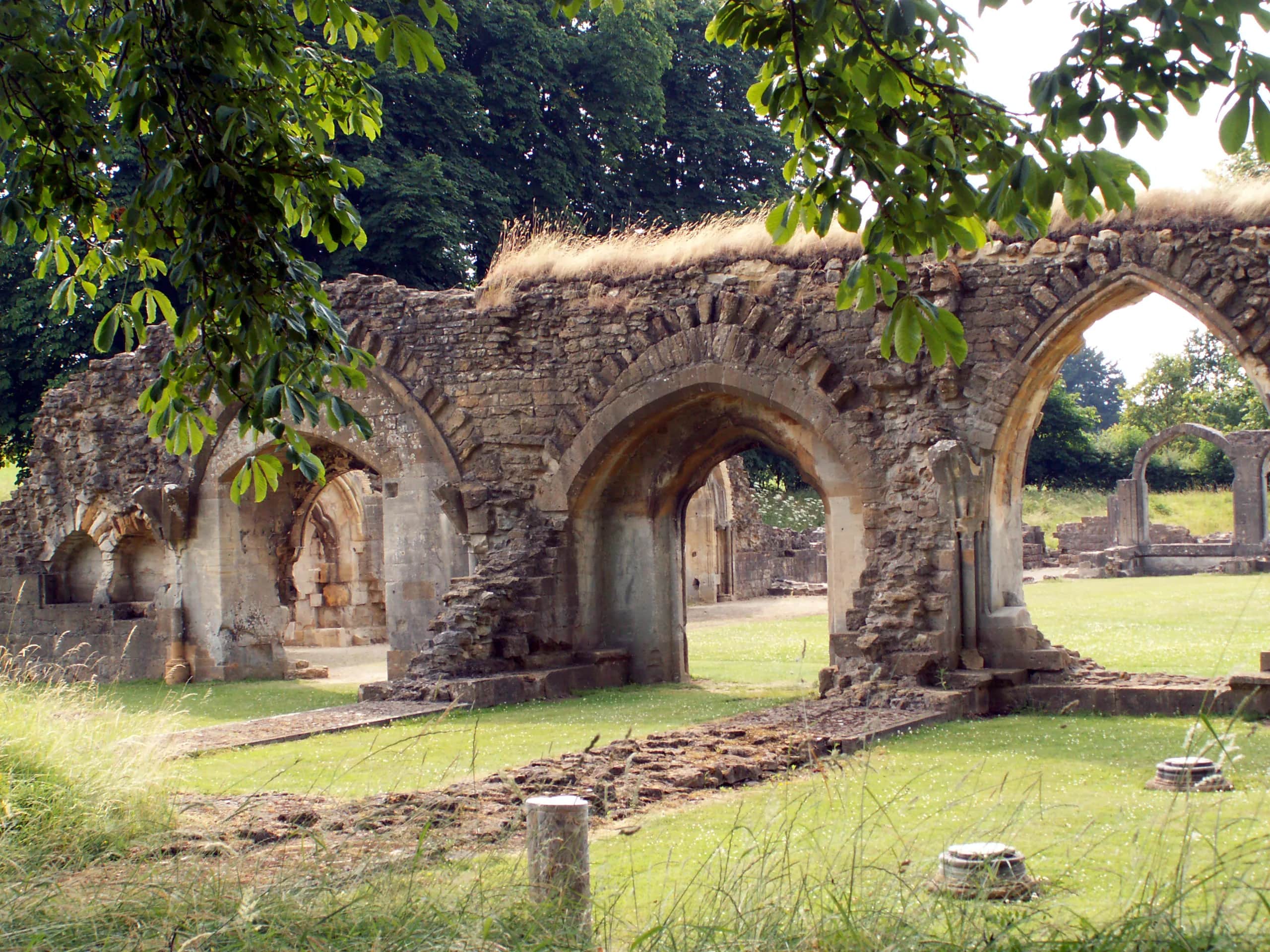
The ruins of a thirteenth-century Cistercian monastery near Winchcombe, once a major pilgrimage site and now in the care of English Heritage - an easy half-day visit from the trail.
Read more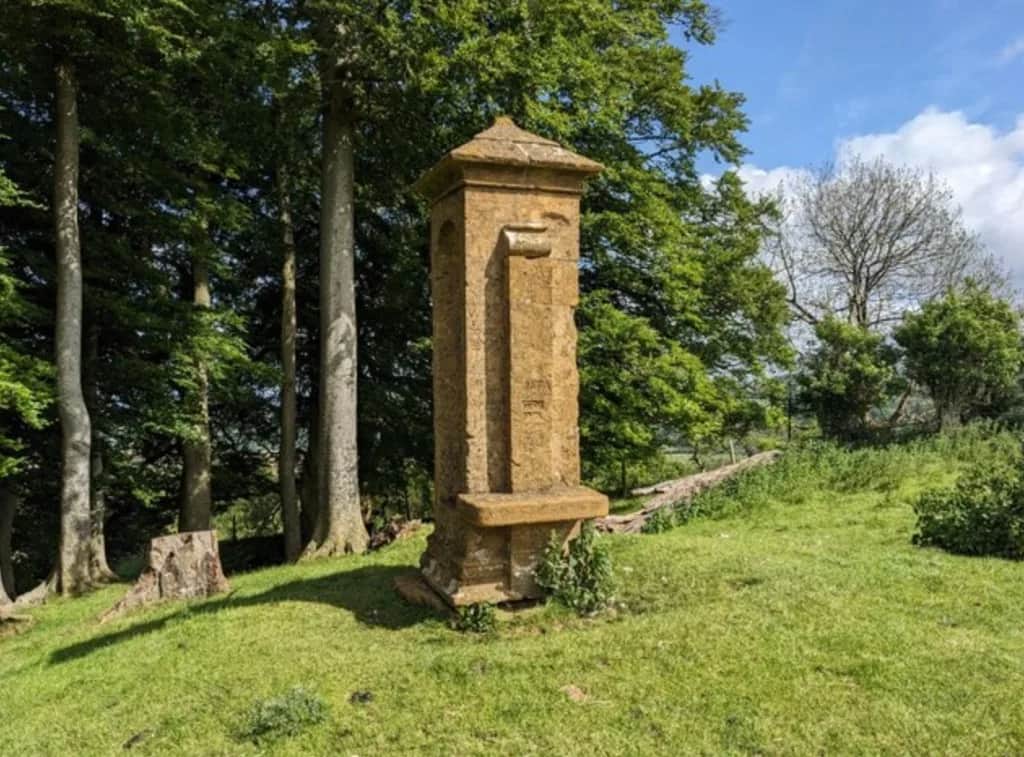
A nineteenth-century limestone monument on Beckbury Camp above Hailes, linked by local legend to Thomas Cromwell watching Hailes Abbey at the Dissolution - passed on Stage 3 of the Cotswold Way.
Read more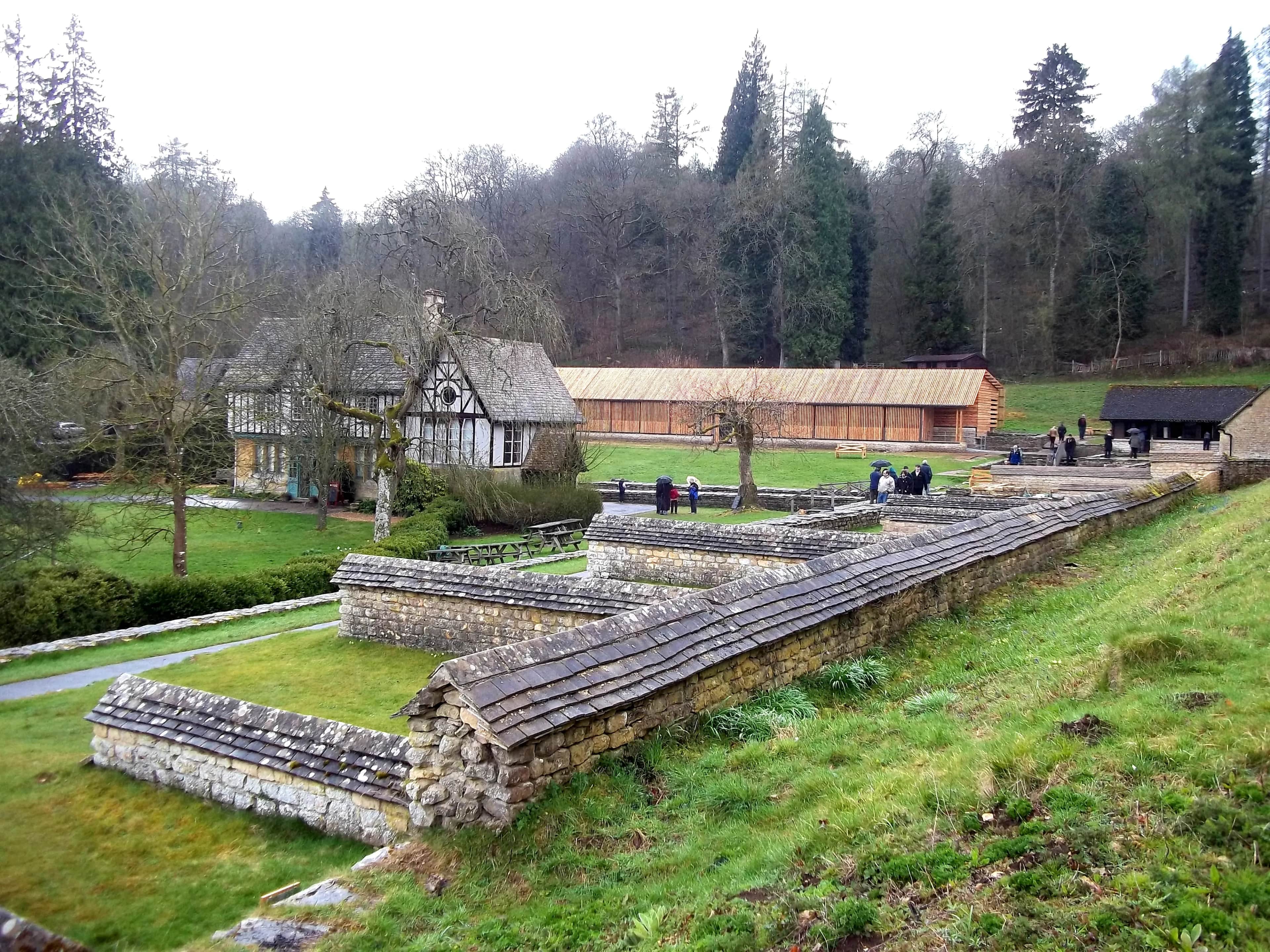
One of the largest Romano-British villas in the country, with mosaics, bath-house remains, and a museum in a wooded combe near the central Cotswold Way - book ahead in peak season.
Read more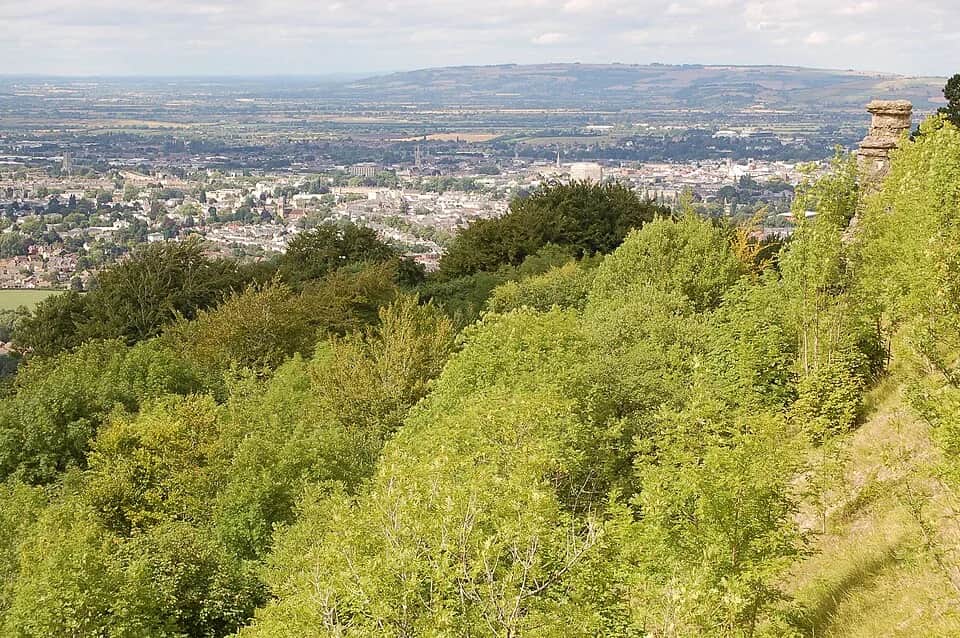
Limestone grassland and old quarry faces on the escarpment above Cheltenham - SSSI and National Nature Reserve, with the Cotswold Way crossing Stages 6 and 7 past the Devil's Chimney.
Read more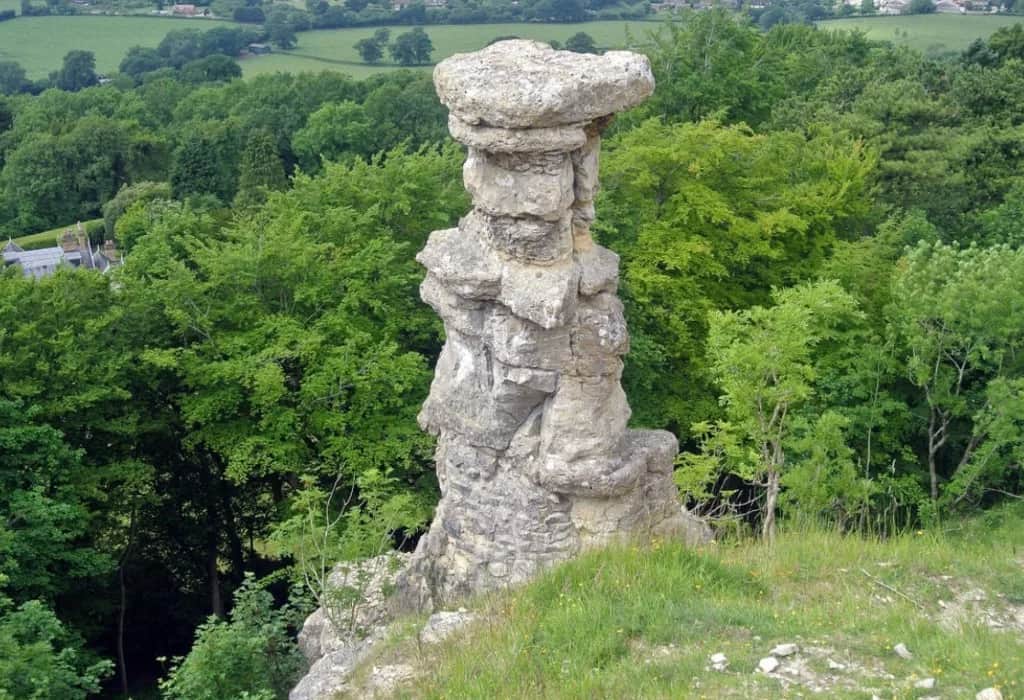
A slender limestone pillar on the scarp above Cheltenham, left standing in an old quarry on Leckhampton Hill and passed on Stages 6 and 7 of the Cotswold Way with wide Severn Vale views.
Read more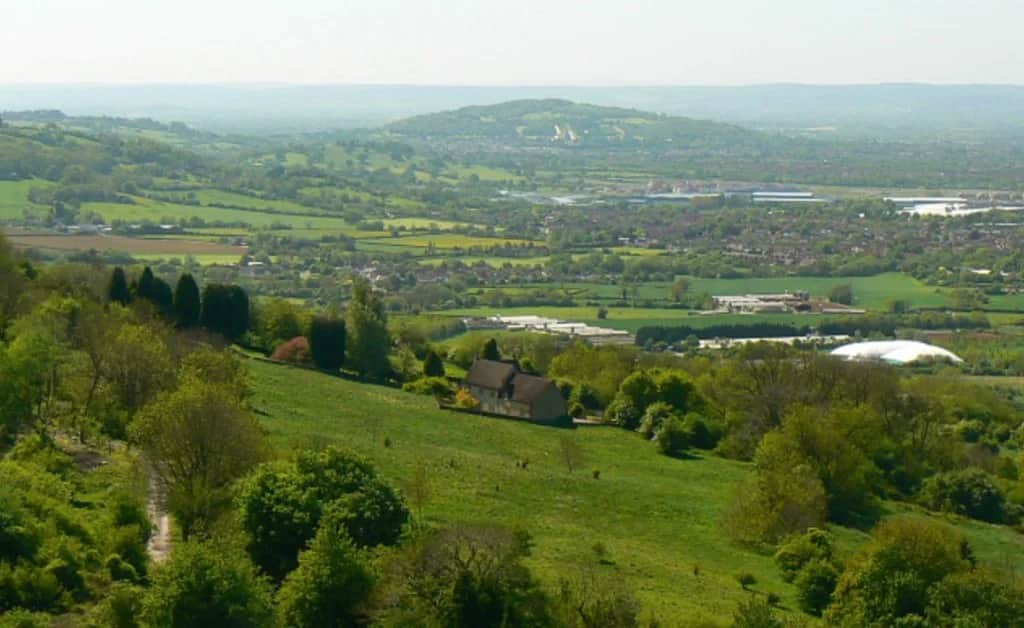
An Iron Age hillfort and limestone grassland nature reserve on the escarpment near Birdlip, with wide Severn Vale views - passed on Stage 7 of the Cotswold Way.
Read more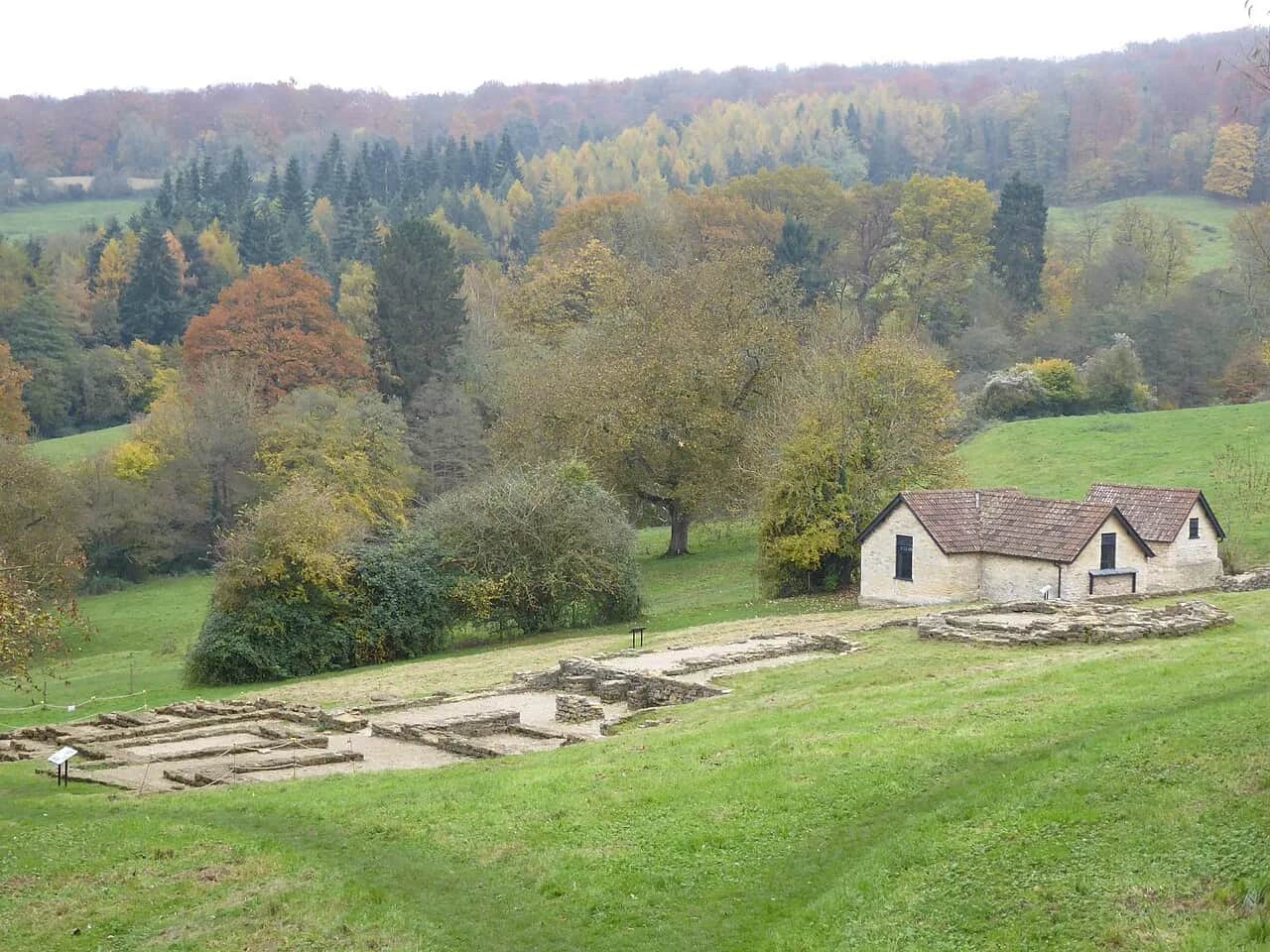
Remains of a large Roman country villa near Birdlip and Brockworth, with bathhouse foundations and protected mosaics - an English Heritage site close to Stage 8 of the Cotswold Way.
Read more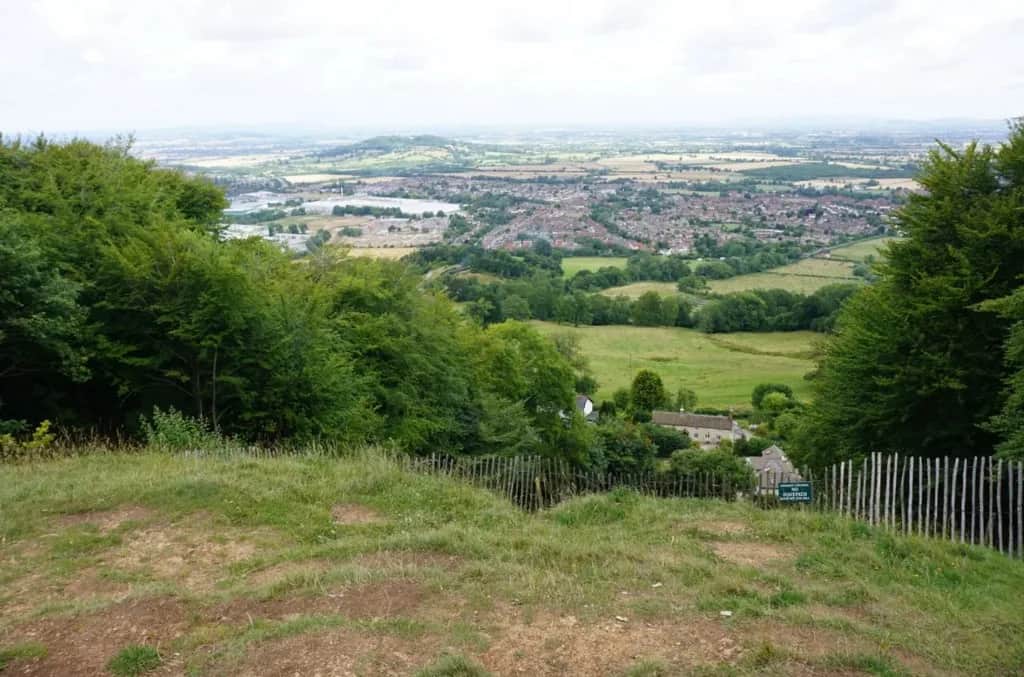
A famously steep Cotswold escarpment slope near Brockworth, home of the annual cheese-rolling and wide Severn Vale views - passed on Stage 8 of the Cotswold Way between Birdlip and Painswick.
Read more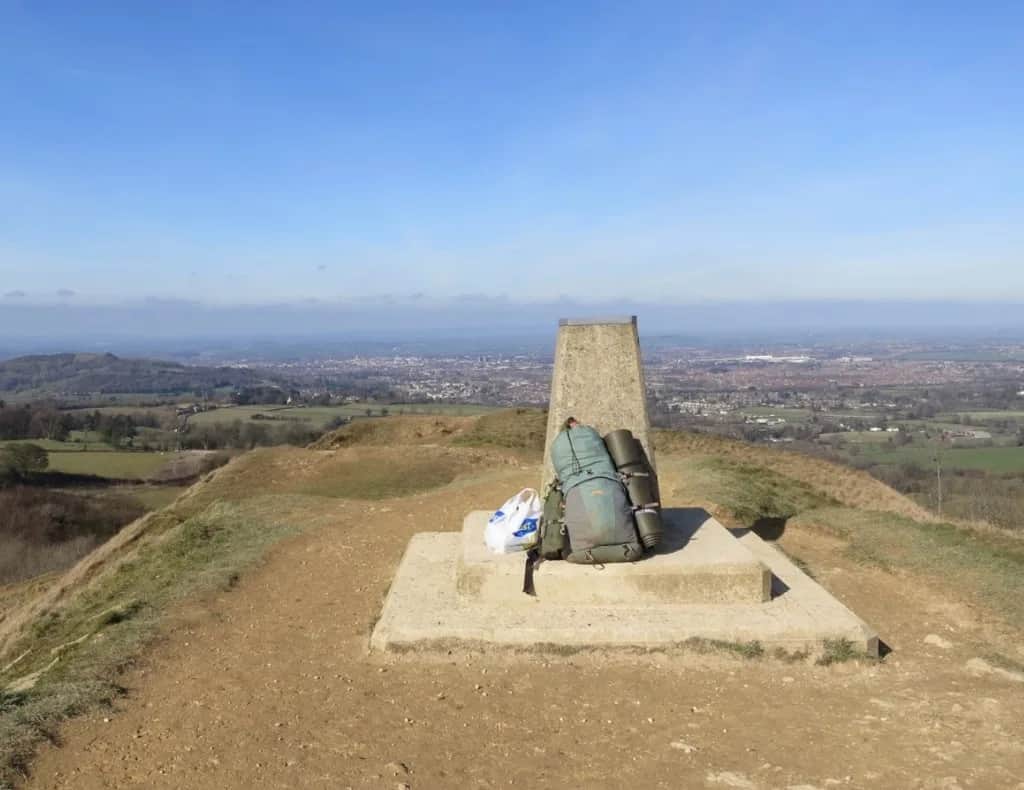
An Iron Age hillfort and open common above Painswick, often treated as the midpoint of the Cotswold Way - with ramparts, a trig point, and wide views over the Severn Vale on Stage 8.
Read more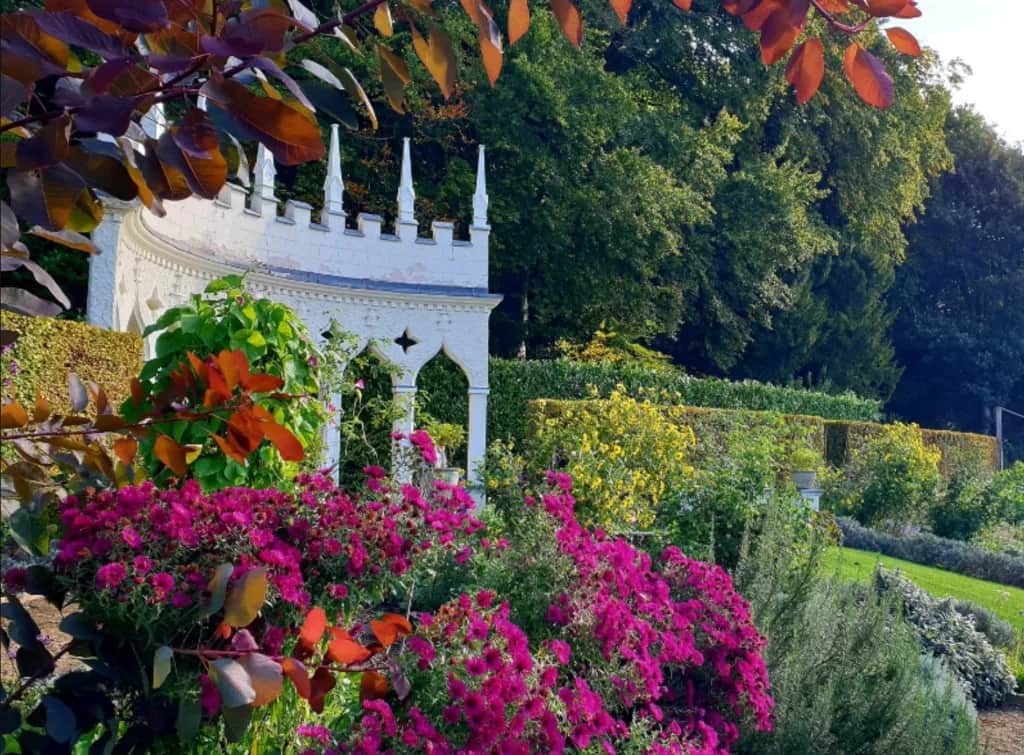
An eighteenth-century pleasure garden restored above Painswick, with follies, woodland walks, and seasonal planting - a short stroll from the Cotswold Way on Stages 8 and 9.
Read more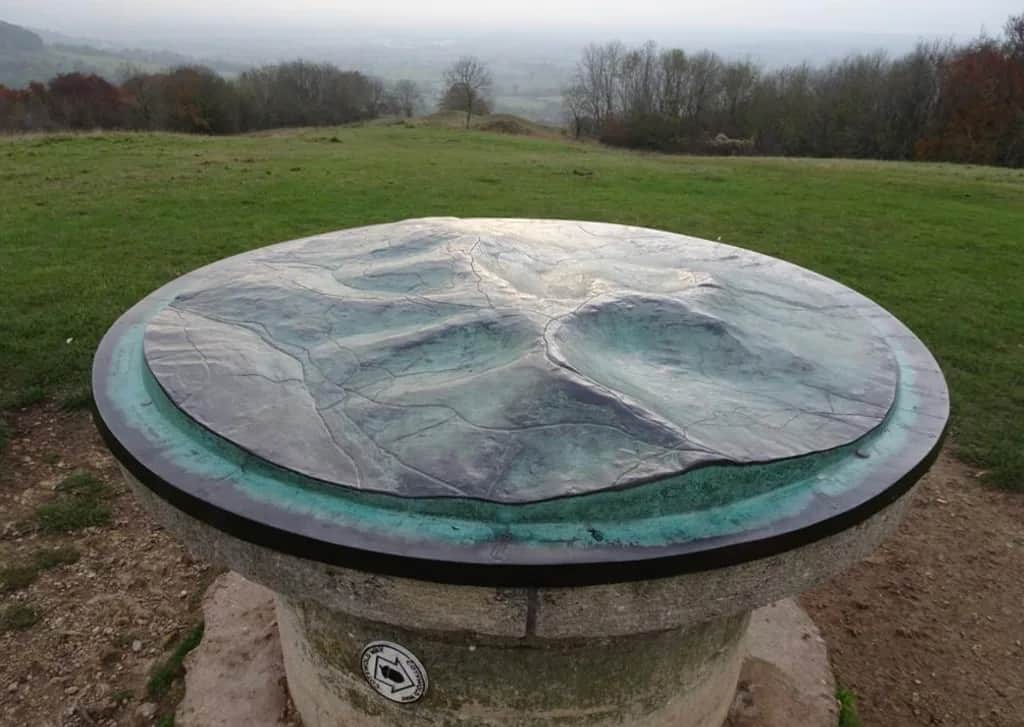
An Iron Age hillfort and National Trust viewpoint on the Cotswold escarpment near Stroud, with a bronze relief toposcope and wide Severn Vale views - passed on Stage 9 of the Cotswold Way.
Read more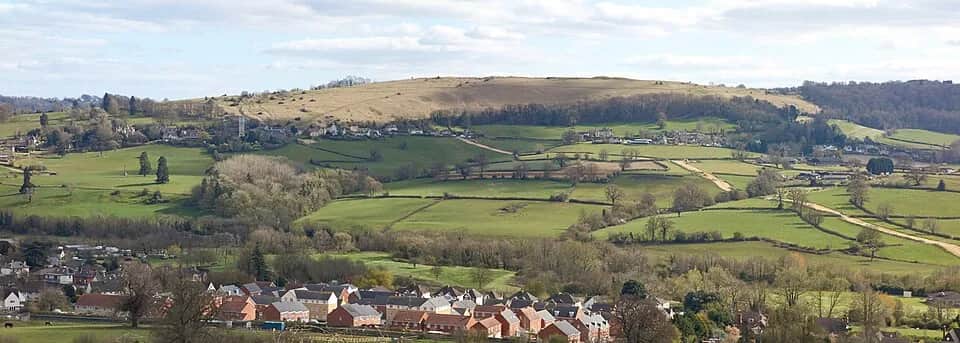
Open limestone common above the Stroud valleys with Severn Vale views and a Bronze Age long barrow - an optional Cotswold Way line on Stage 9 via the canal and the climb from King's Stanley.
Read more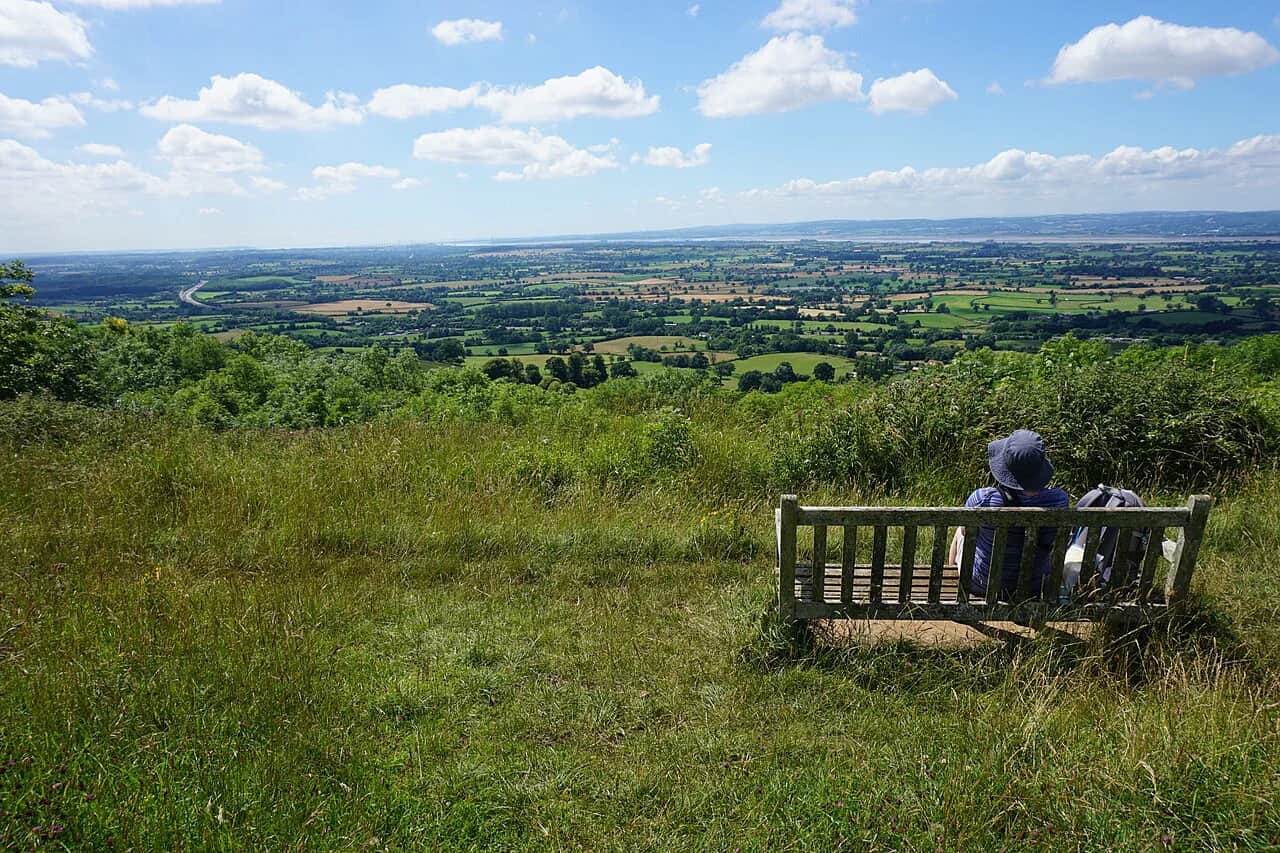
An escarpment hill west of Dursley with a golf course on the summit and free public paths around the rim - wide Severn Vale views on Stage 11 of the Cotswold Way.
Read more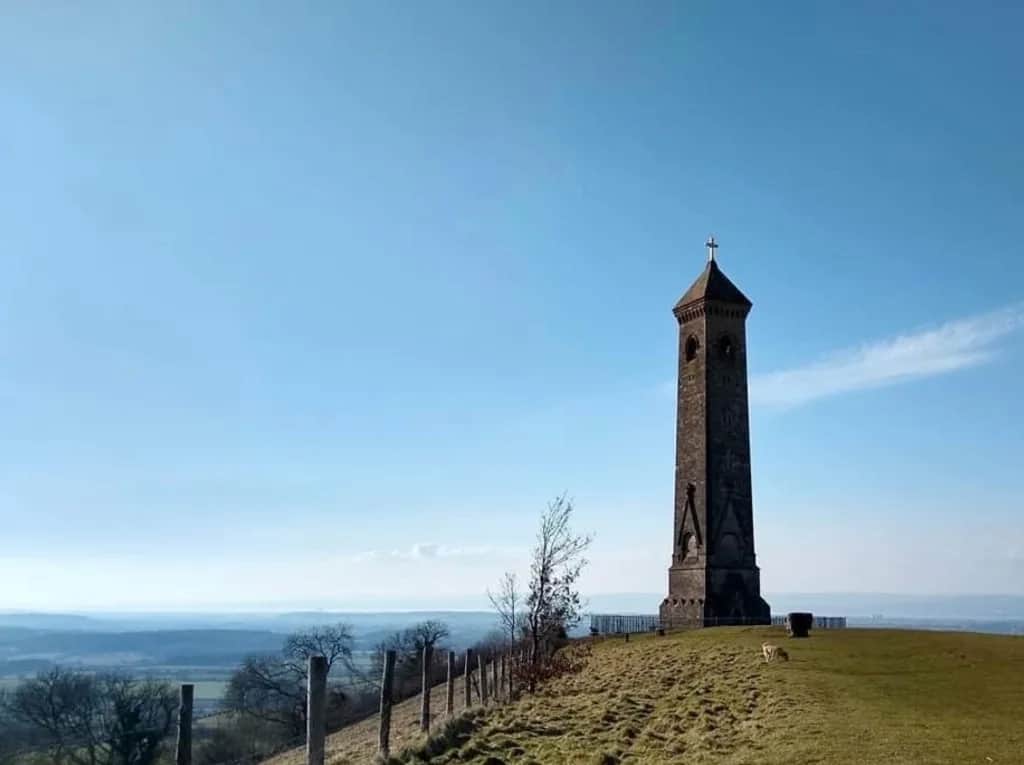
An 111-foot stone tower of 1866 on Nibley Knoll, commemorating William Tyndale and offering views over the Severn Vale from Stage 11 of the Cotswold Way near Wotton-under-Edge.
Read more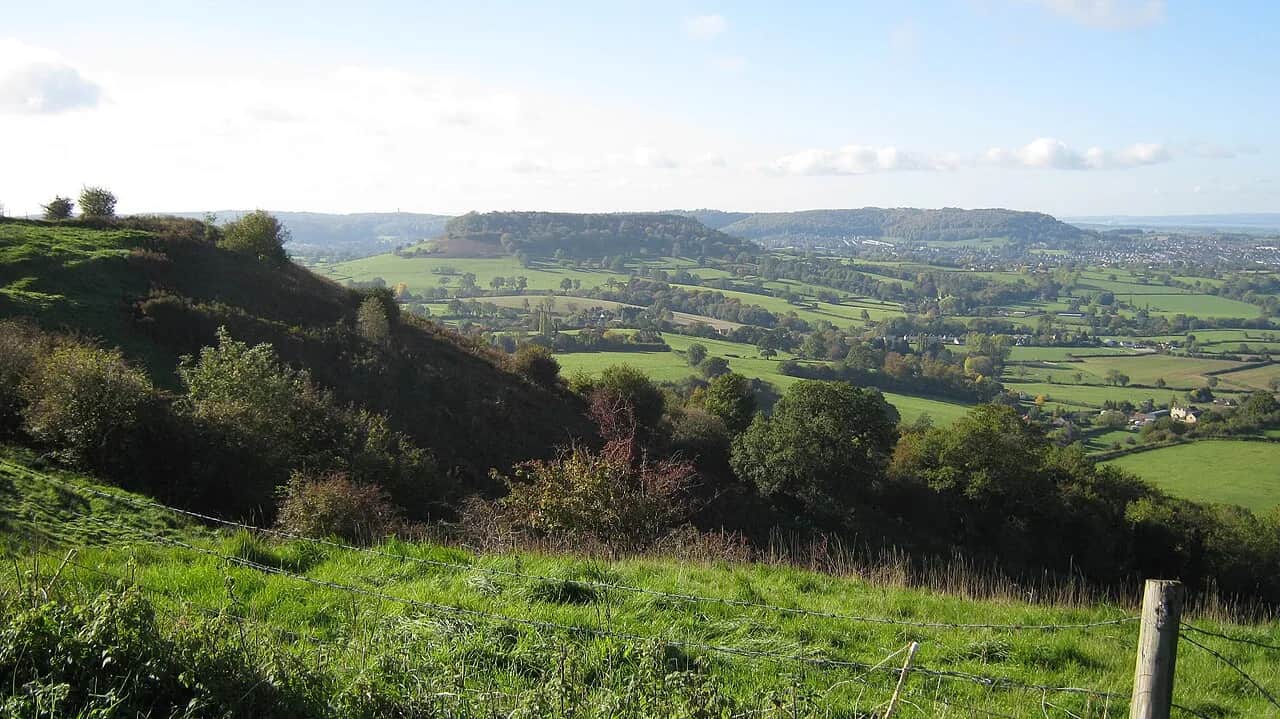
A free picnic viewpoint and nature reserve on the Cotswold escarpment near Nympsfield and Uley, with Severn Vale views, Nympsfield Long Barrow beside the grass, and the Cotswold Way crossing Stage 10.
Read more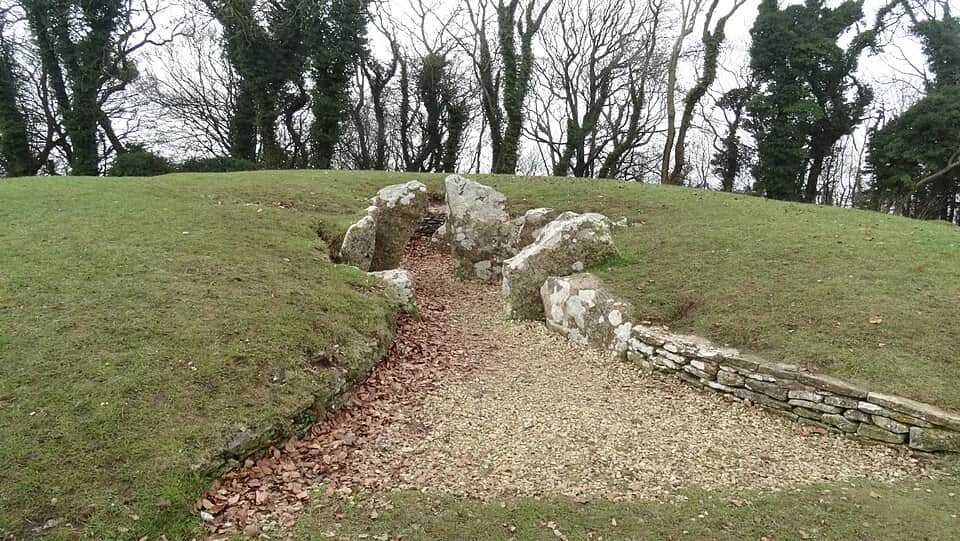
A Neolithic Cotswold-Severn chambered tomb on Coaley Peak, free to visit with English Heritage - stone chambers open to the sky beside the Cotswold Way on Stage 10.
Read more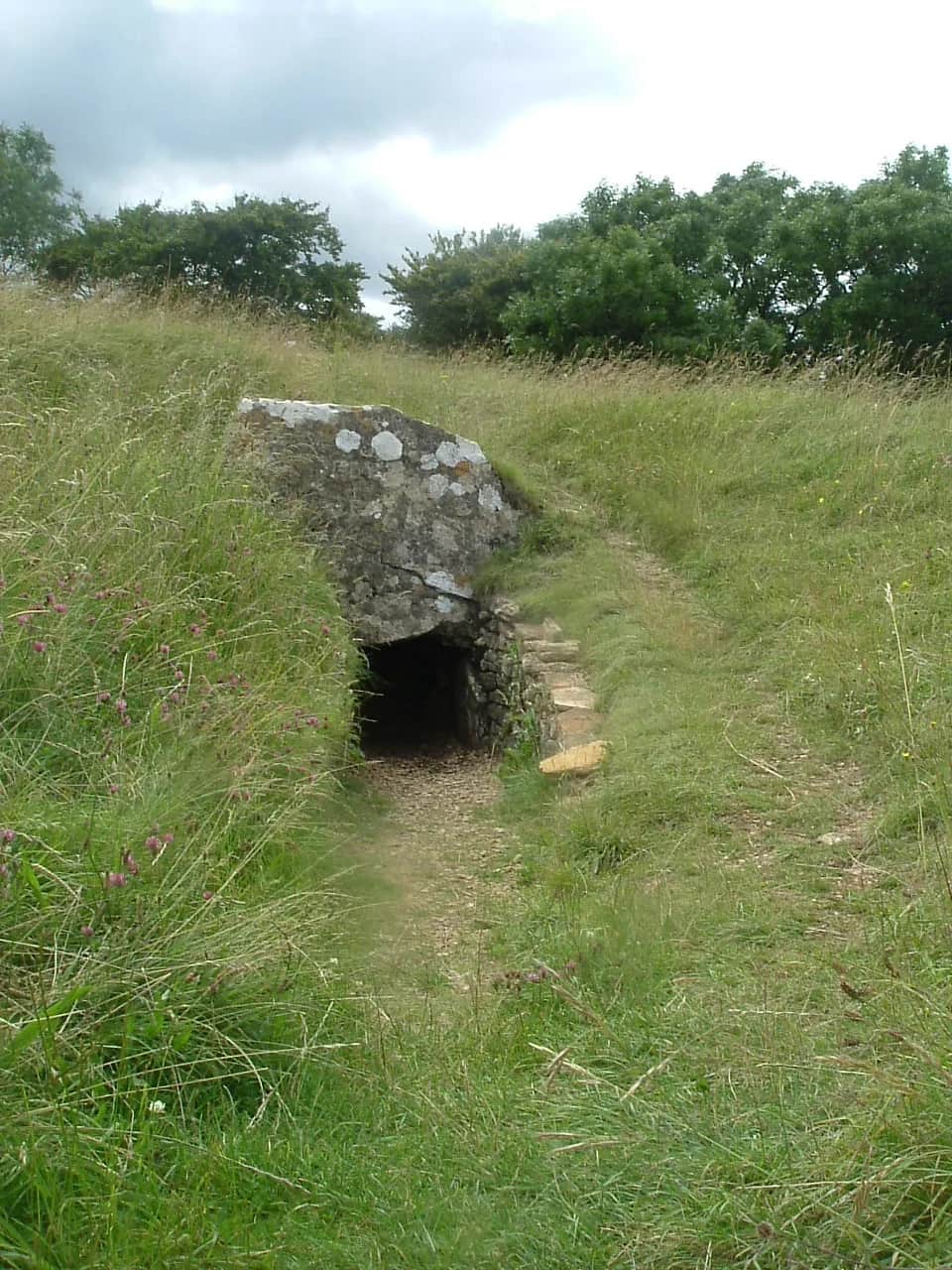
Uley Long Barrow - a Neolithic Cotswold-Severn chambered tomb on the escarpment between Coaley Peak and Uley Bury, free to visit just off the Cotswold Way.
Read more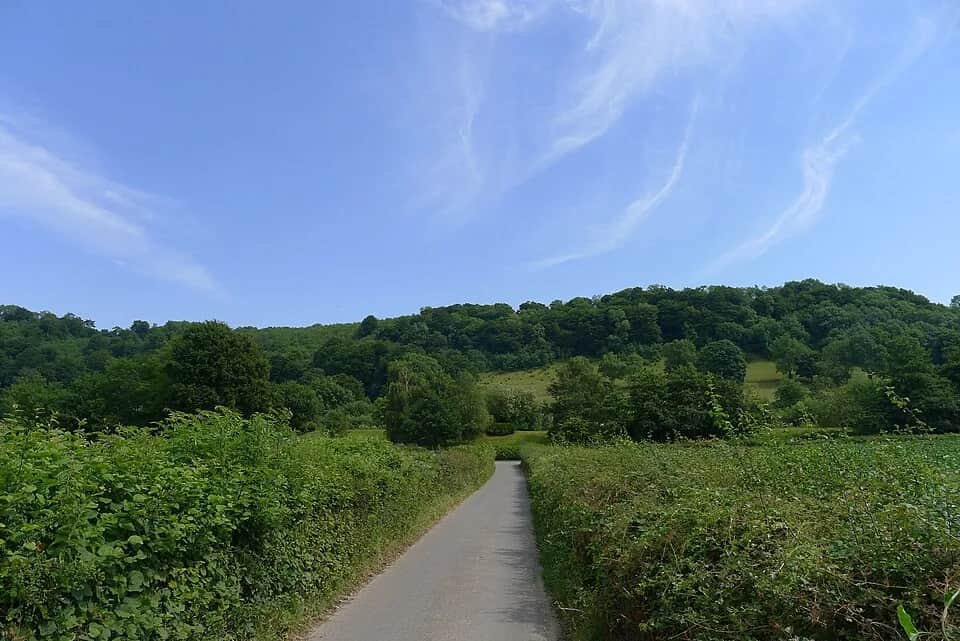
A large Iron Age hillfort on a steep Cotswold plateau above Uley - rampart walks, Severn Vale views, and a short signed loop from Stage 10 of the Cotswold Way.
Read more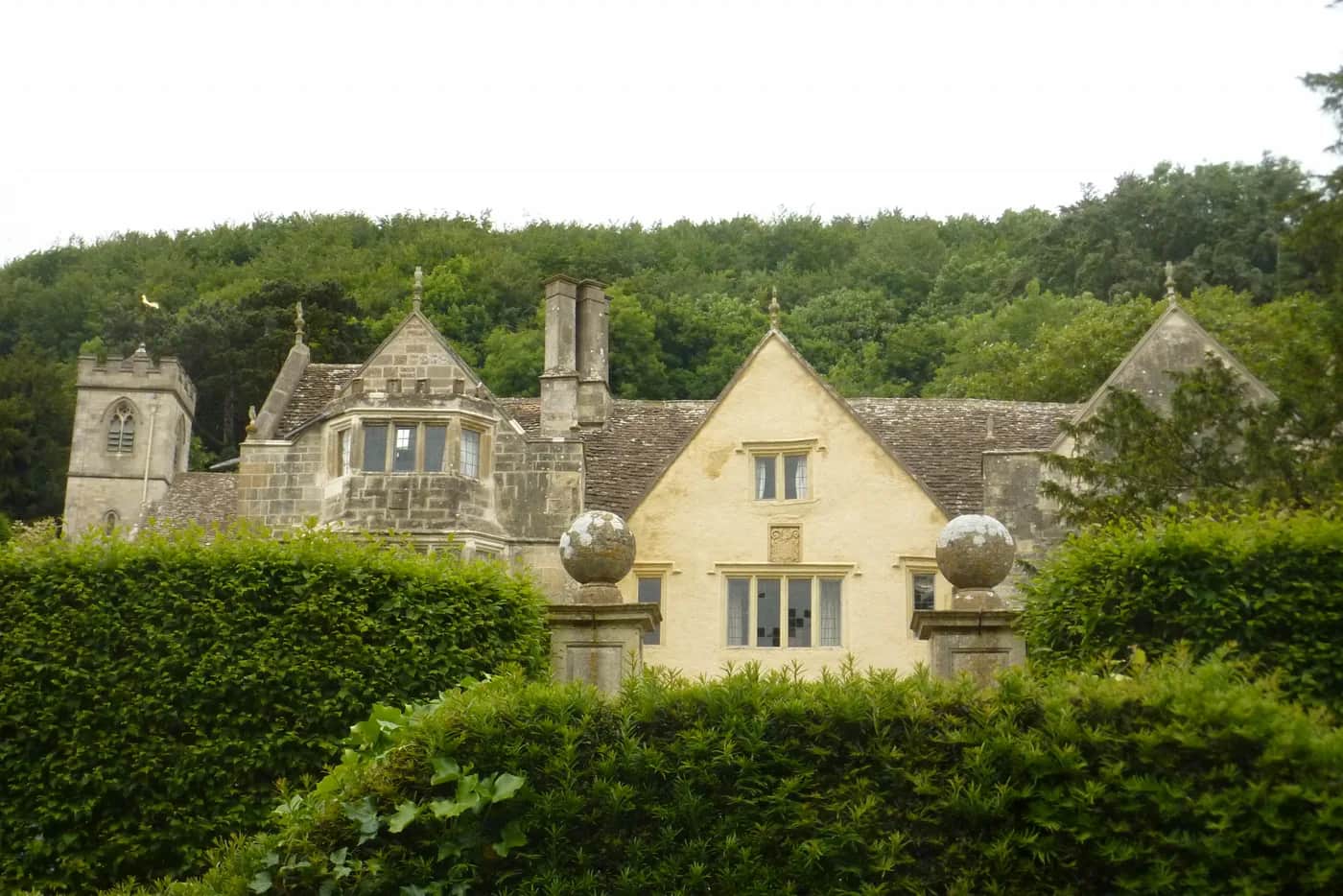
A romantic Tudor manor in a wooded combe near Uley, with terraced gardens and historic yews - a lived-in Mander family home beside the Cotswold Way, visited mainly by pre-booked tour.
Read more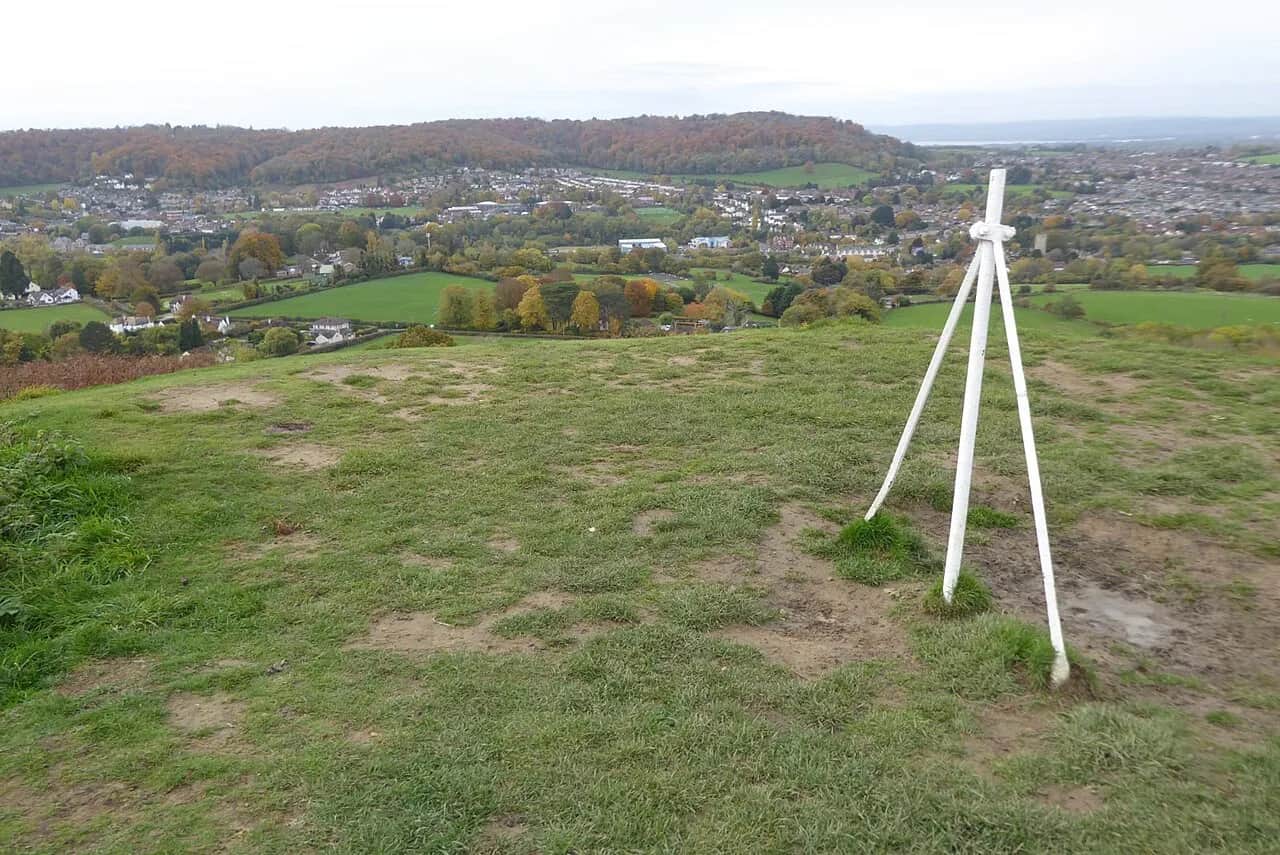
A conical hill above Cam and Dursley, twin to Cam Long Down, with free open access and wide Severn Vale views - a short recommended diversion from Stage 10 of the Cotswold Way.
Read more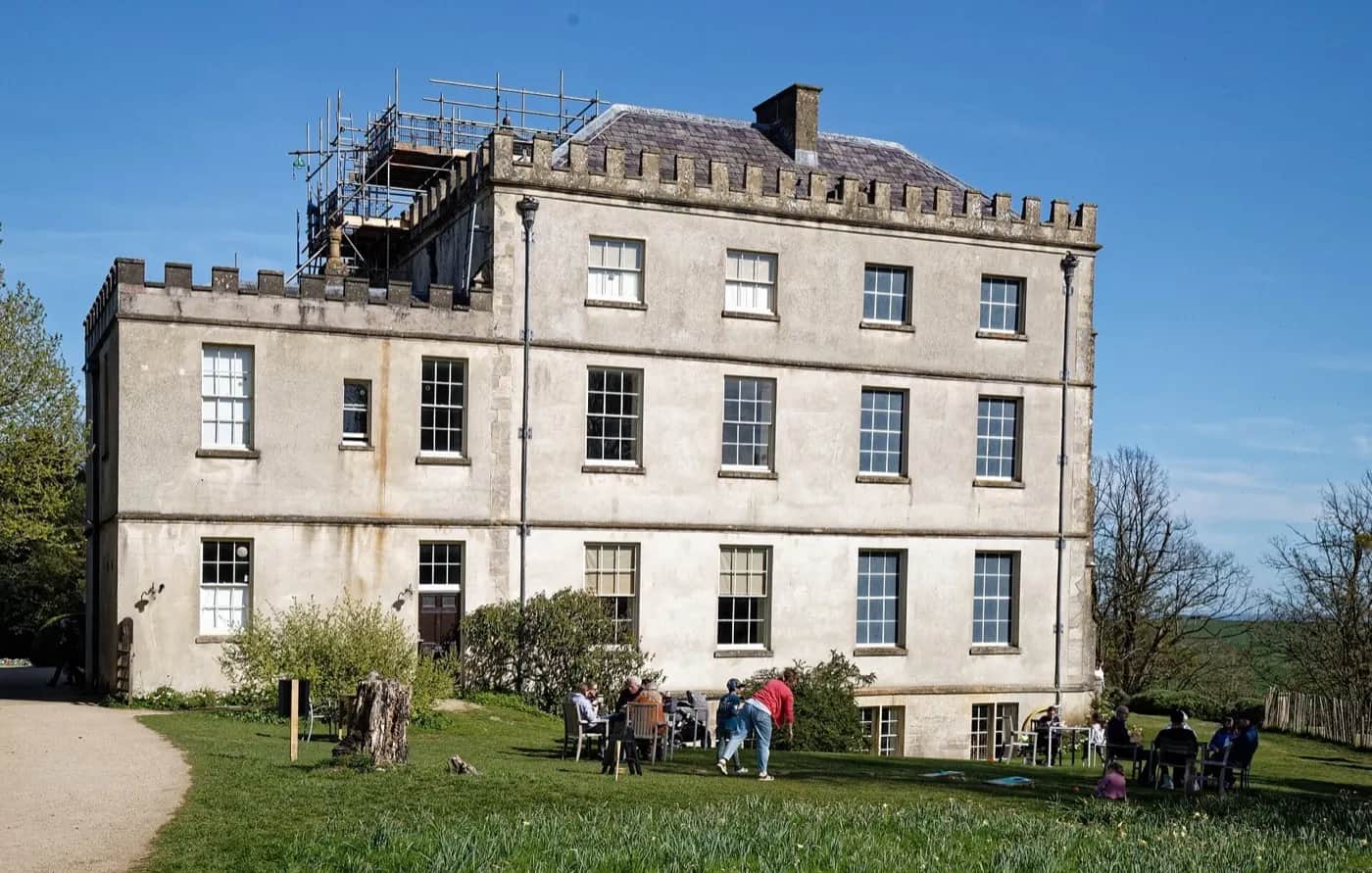
A Tudor hunting lodge turned National Trust house on the escarpment above Ozleworth, with gardens, valley views, and the Cotswold Way passing the estate on Stage 12.
Read more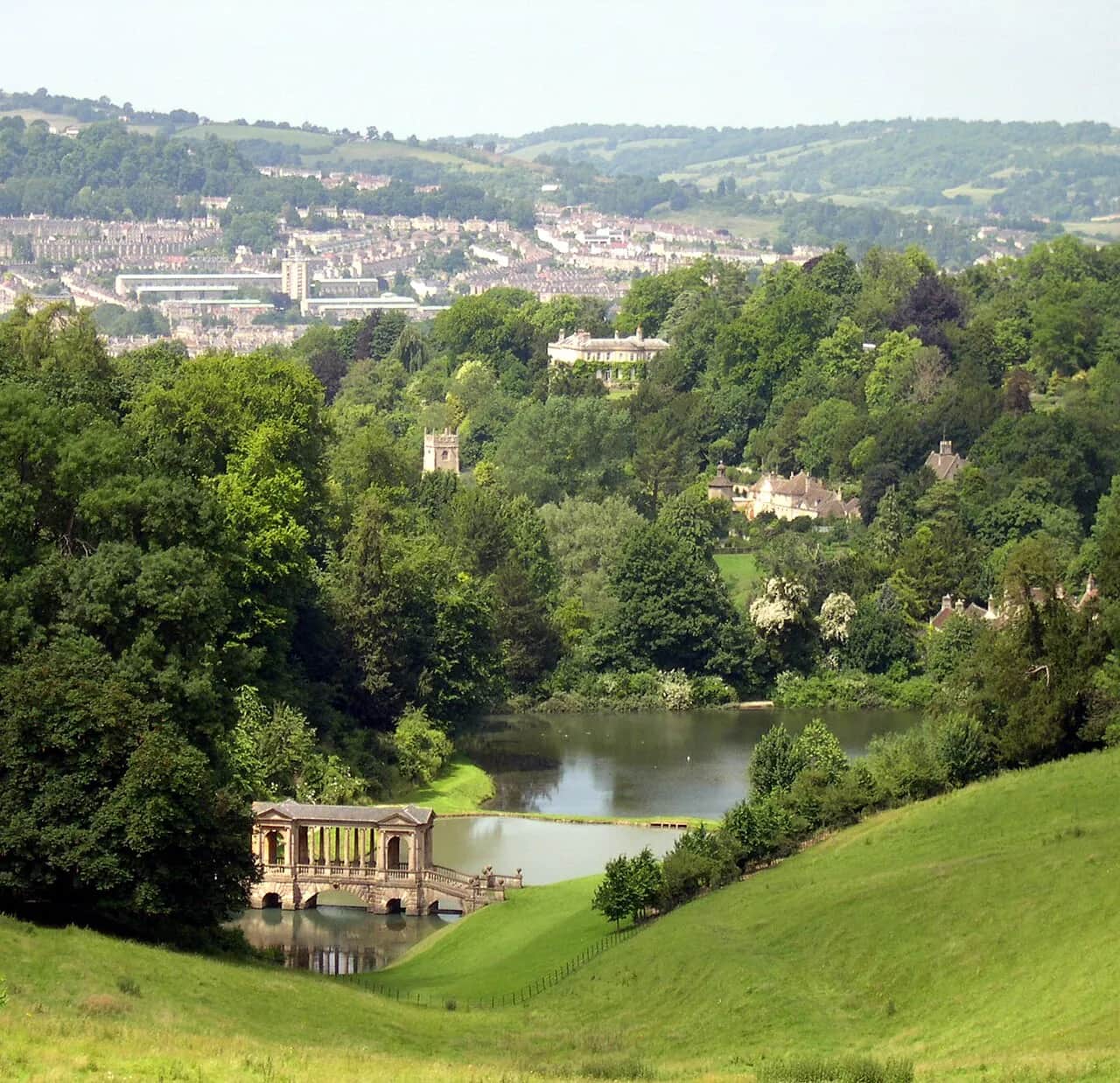
A National Trust English landscape garden above Bath, known for its Palladian bridge and valley views - an easy post-walk visit from the Cotswold Way finish.
Read more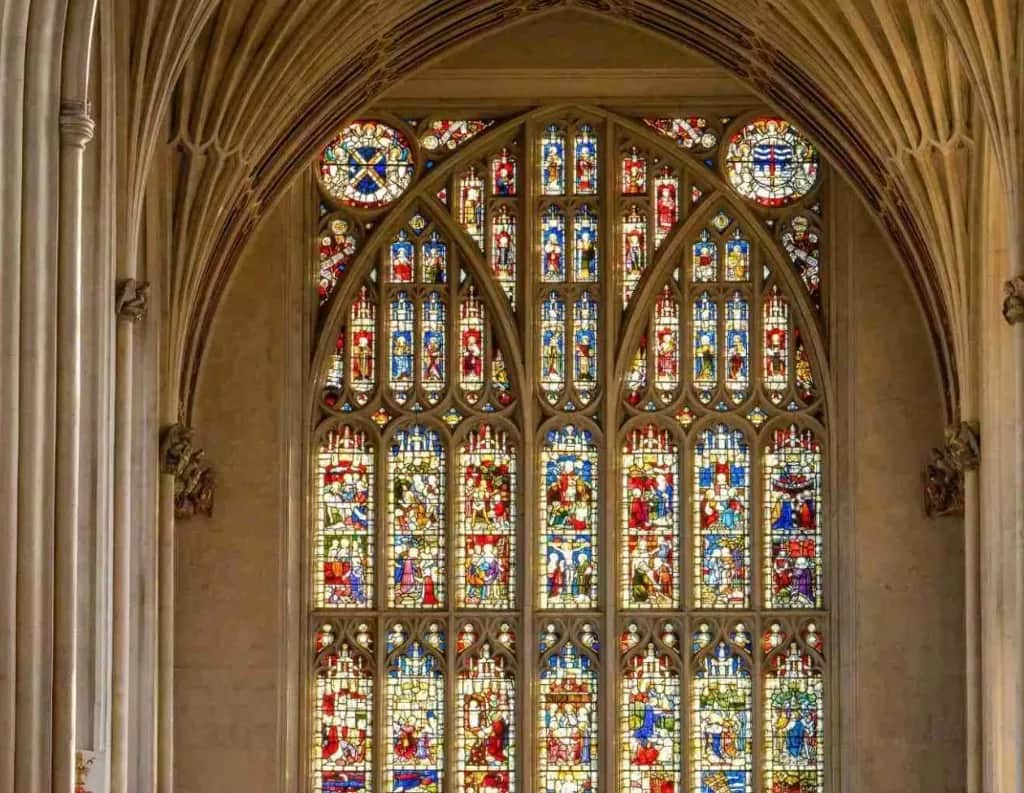
A Perpendicular Gothic church at the southern end of the Cotswold Way, known for its fan vaulting, stained glass, and the trail's finish marker in the Abbey Churchyard.
Read more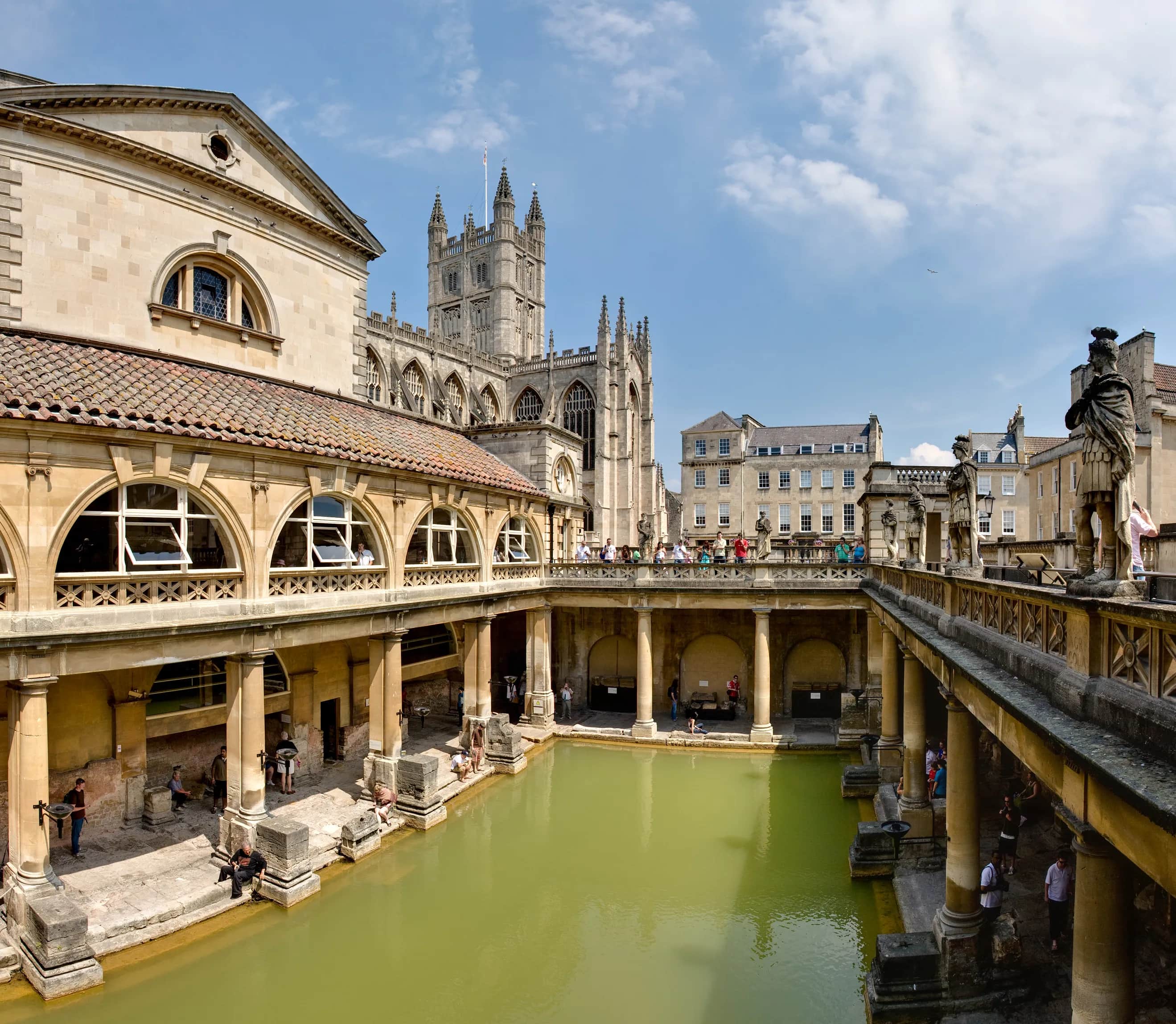
Among the finest surviving Roman spa complexes in northern Europe, a short walk from the Cotswold Way finish in the centre of Bath - the natural reward after 102 miles on the trail.
Read more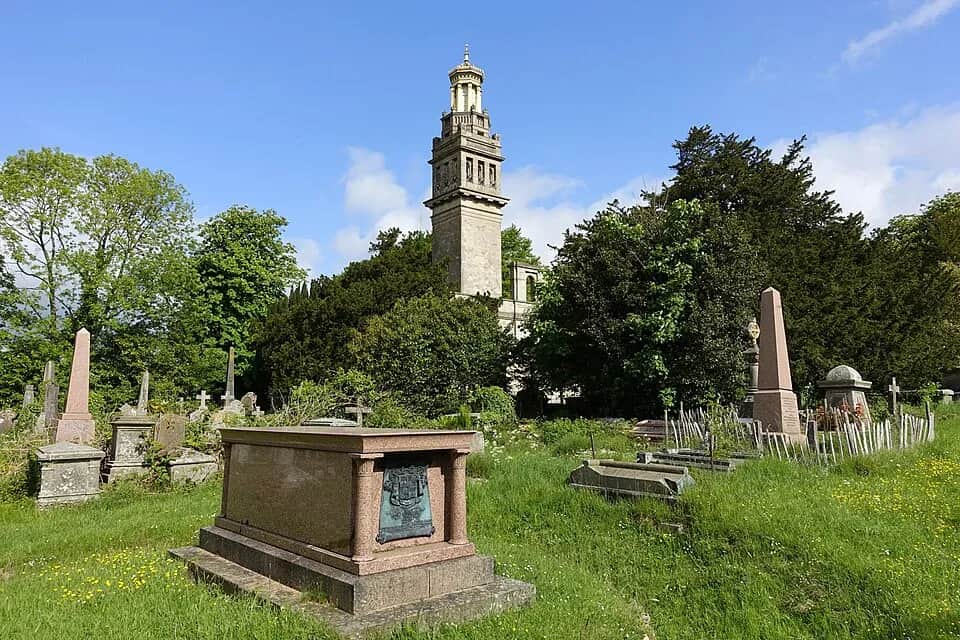
A neo-classical folly and museum on Lansdown Hill above Bath, built for William Beckford in the 1820s - museum, belvedere views, and a short diversion near the southern end of the Cotswold Way.
Read more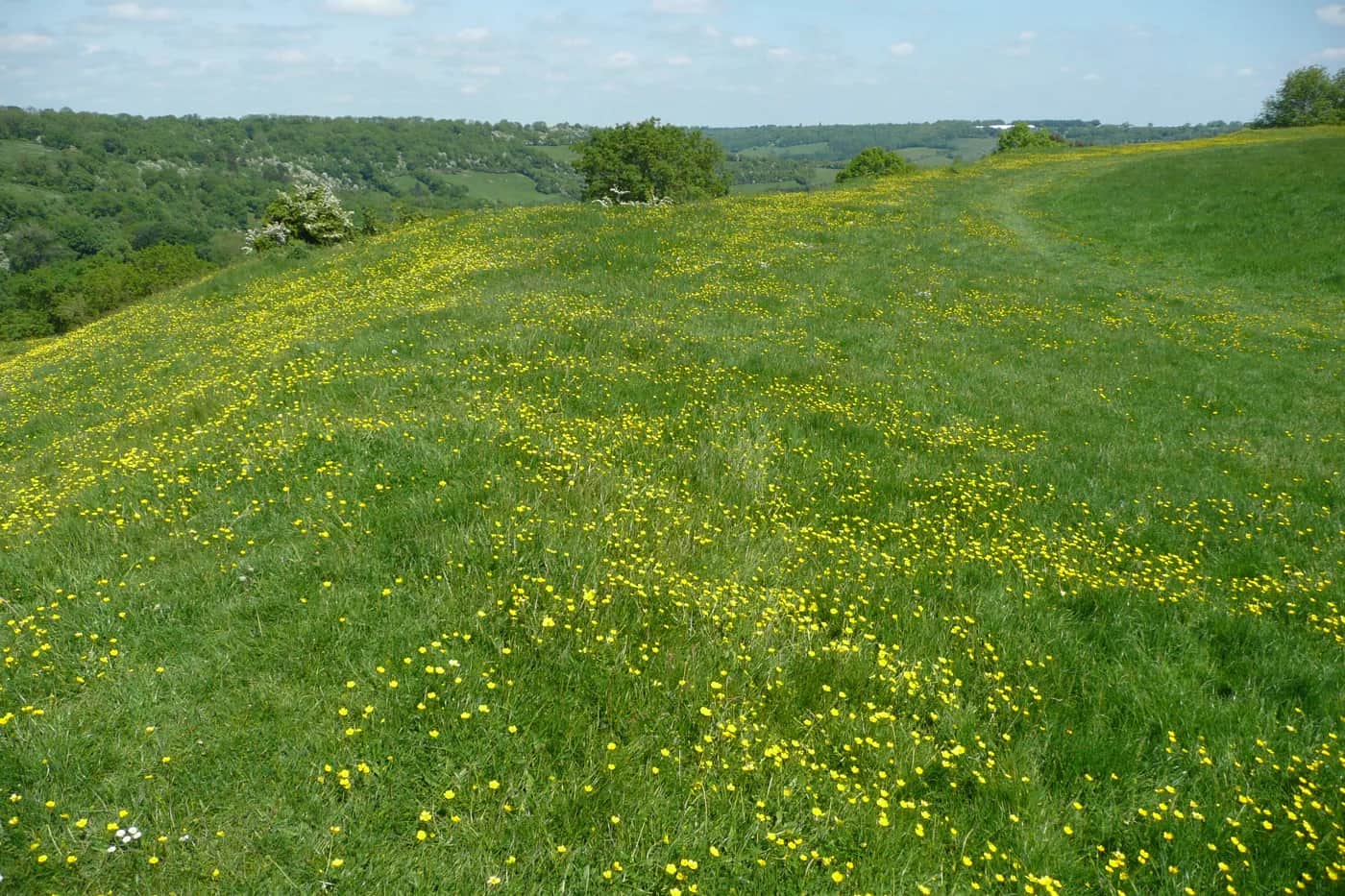
Little Solsbury Hill - an Iron Age hillfort northeast of Bath above Batheaston, with readable ramparts and wide Avon views - a short Batheaston diversion near the Cotswold Way finish.
Read more