
Best time of year to walk the Cotswold Way
| Cotswold Way Team
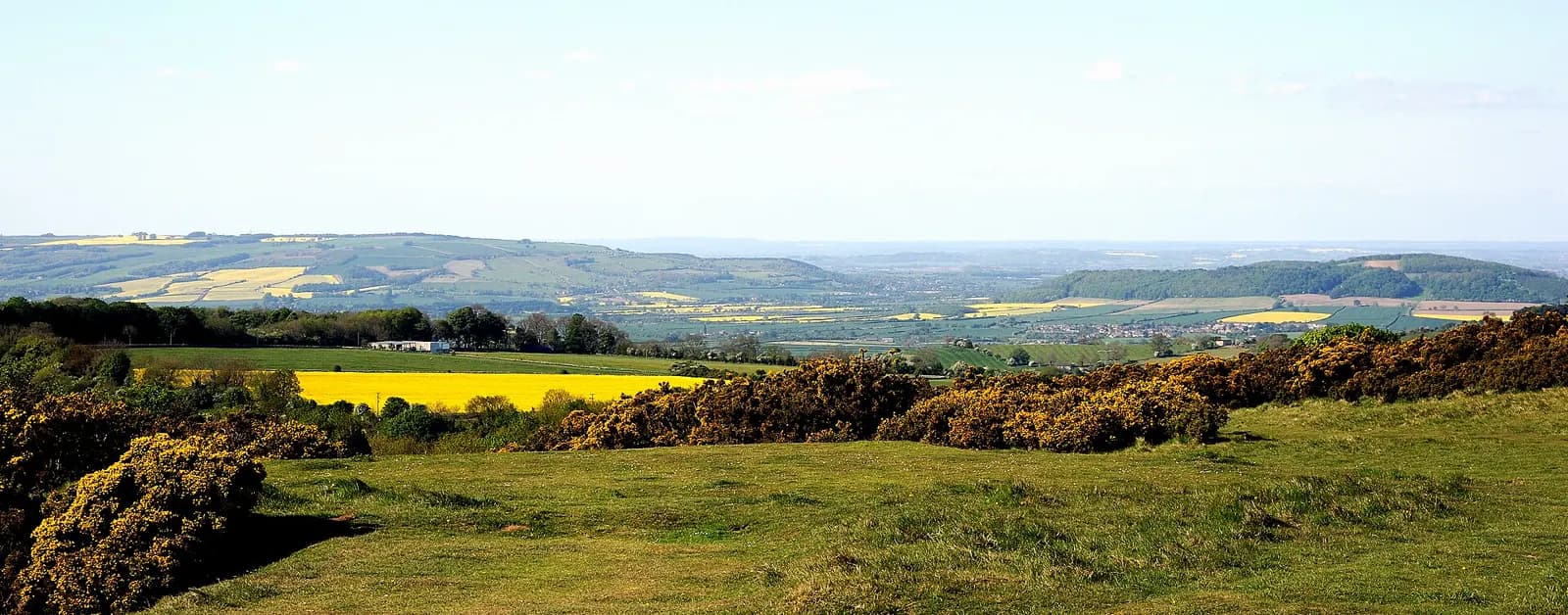
The best overall window for walking the Cotswold Way is late spring through early autumn - roughly May to September - when daylight is long enough for full stages, most inns and B&Bs are open, and luggage vans run their usual season. That is the practical answer for first-time through-walkers.
It still depends. Weather can turn wet in any month. Peak summer fills beds and packs the path. Shoulder seasons trade crowds for mud and shorter days. Winter is quiet and beautiful on a clear frost, and hard work when clay sticks to your boots. Use the season notes below - and our Cotswold Way weather guide - then match the month to your pace, booking lead time, and appetite for soft ground.
Spring (March-May)
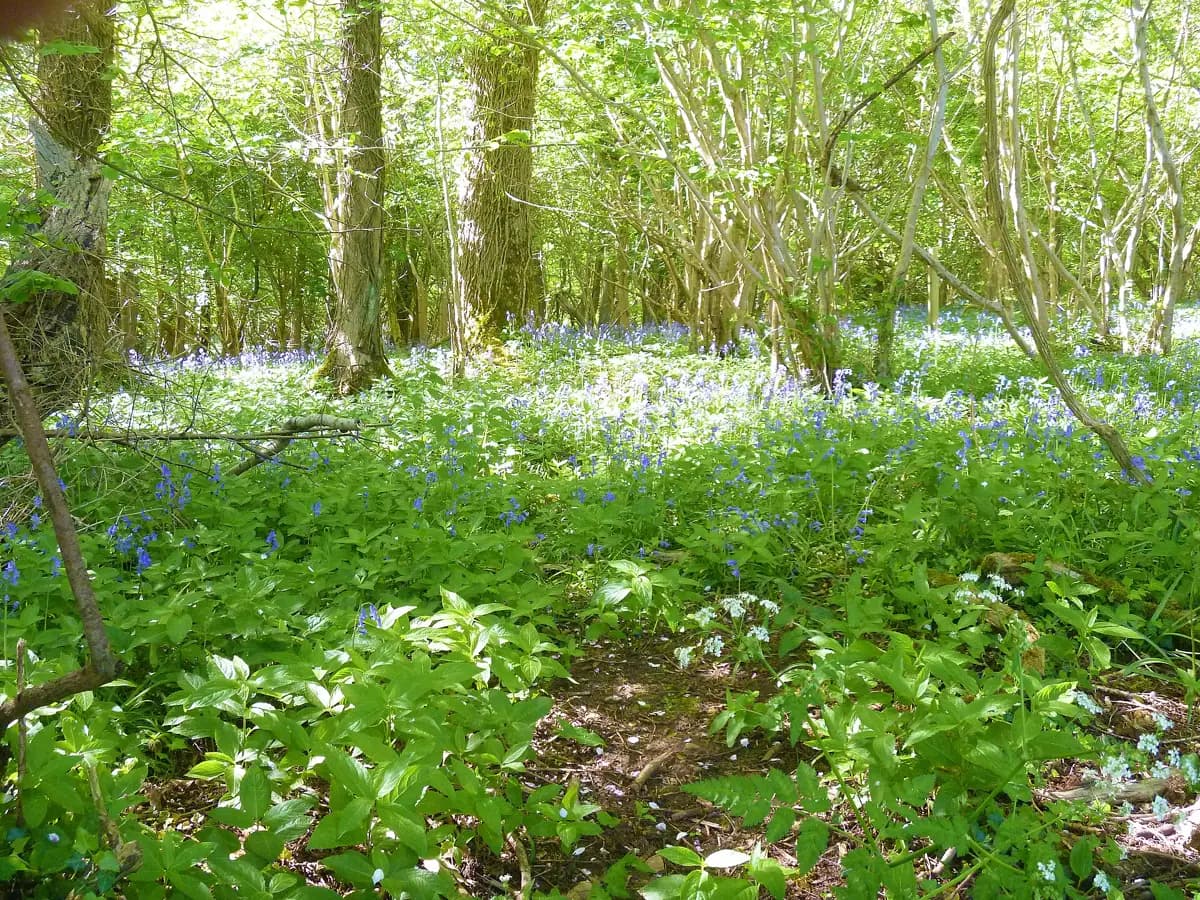
Spring is when the trail wakes up: lambs in the pastures, bluebells and wild garlic in the beech woods, and rape fields brightening the lower slopes. Days lengthen fast from March into May, so a steady 7 or 10 day itinerary starts to feel realistic without mid-afternoon darkness.
Mud is the spring tax. After rain, clay in the vales turns sticky and limestone on the escarpment gets slick - gaiters and waterproofs earn their keep. Easter and school holidays thin availability in honey-stone towns. Around Cheltenham, Festival week (usually mid-March) puts pressure on beds that walkers also use on the northern stages - book those nights early or plan around race week. Badminton Horse Trials in early May can tighten southern rooms near the trail approaches to Bath.
Late April and May often strike the best spring balance: more daylight, wildflowers still peaking, and slightly less festival competition than March. Pair dates with accommodation by town before you lock stage lengths.
Summer (June-August)
Summer gives you the longest days on the Cotswold Way - room for slow mornings, a pub lunch, and still reaching tonight's stop without racing the light. Beech woods offer shade; open ridge grassland around Cleeve Common and other high ground can bake after midday, so carry water and a sun hat even if the forecast looks mild in the valley.
This is also the busiest stretch for B&Bs, inns, and luggage transfer. Popular overnight hubs - Broadway, Winchcombe, Painswick, Dursley, Wotton-under-Edge - fill weeks or months ahead. Local events and school holidays stack on top of through-walker demand. If you want a compact week, expect less flexibility when a wet day forces a reshuffle.
Heat rarely reaches extreme levels by continental standards, but the west-facing escarpment can feel windless and close on a humid afternoon. Thunderstorms still happen - waterproofs stay in the daypack. For navigation when mist or heavy rain arrives, see choosing an app for the Cotswold Way and keep a paper map as backup via maps and navigation.
Autumn (September-October)
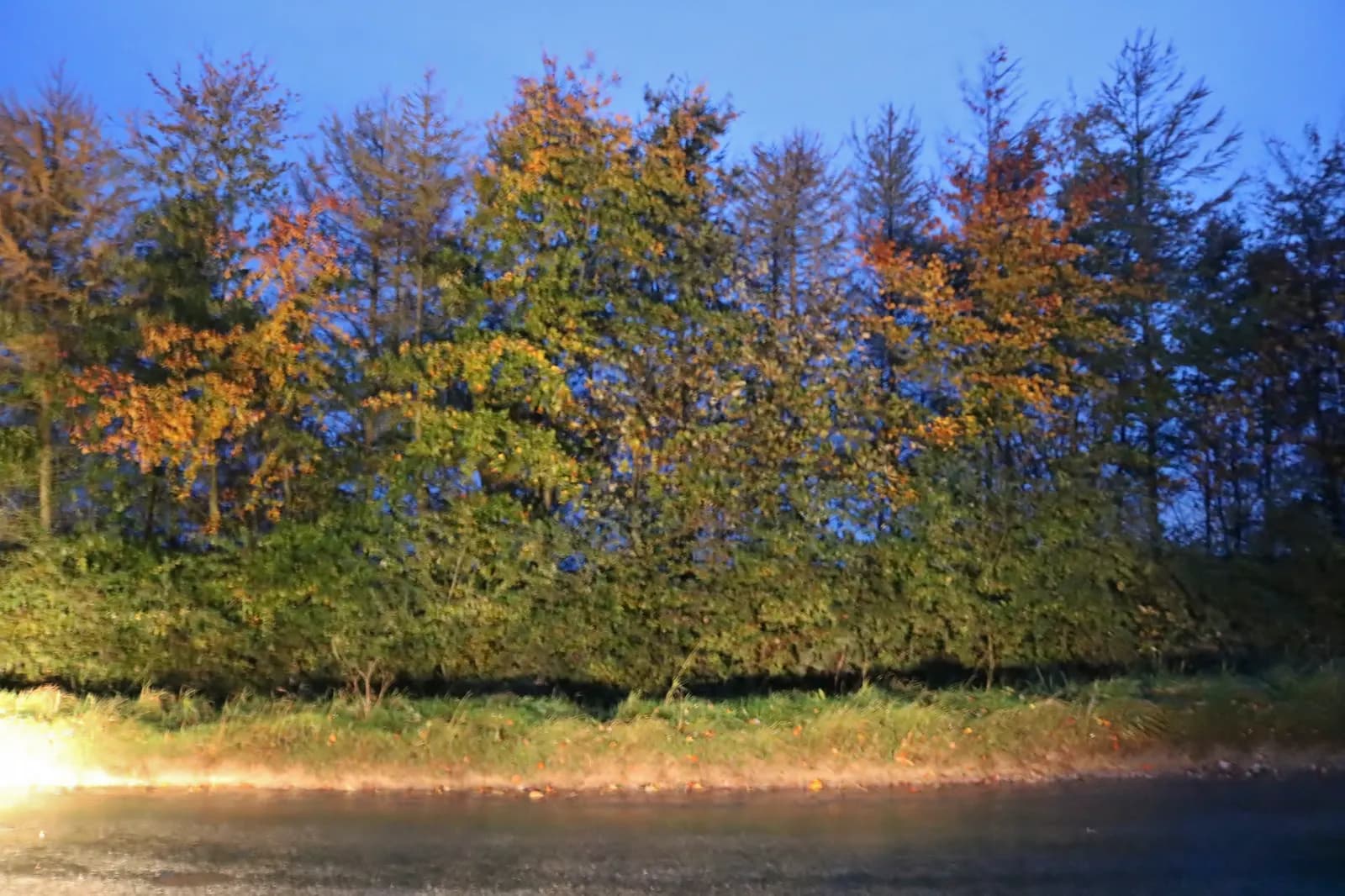
September and early October are often excellent for through-walks. Paths are quieter than July, inns remain open, and luggage services still run into late October for most specialist vans. Escarpment woods turn copper and gold - a different trail from the green tunnel of midsummer.
Days shorten. A 10-mile stage that felt leisurely in June needs an earlier start by mid-October. Ground softens again after the first proper rains; clay tracks and polished limestone repay careful footing. Beds are usually still bookable with sensible notice, though popular historic inns and ridge stops can sell out on weekends.
If you want autumn colour without racing the light, favour a 10-day Cotswold Way itinerary over a packed 7-day plan - and leave a little slack for wet weather on the edge.
Winter (November-February)
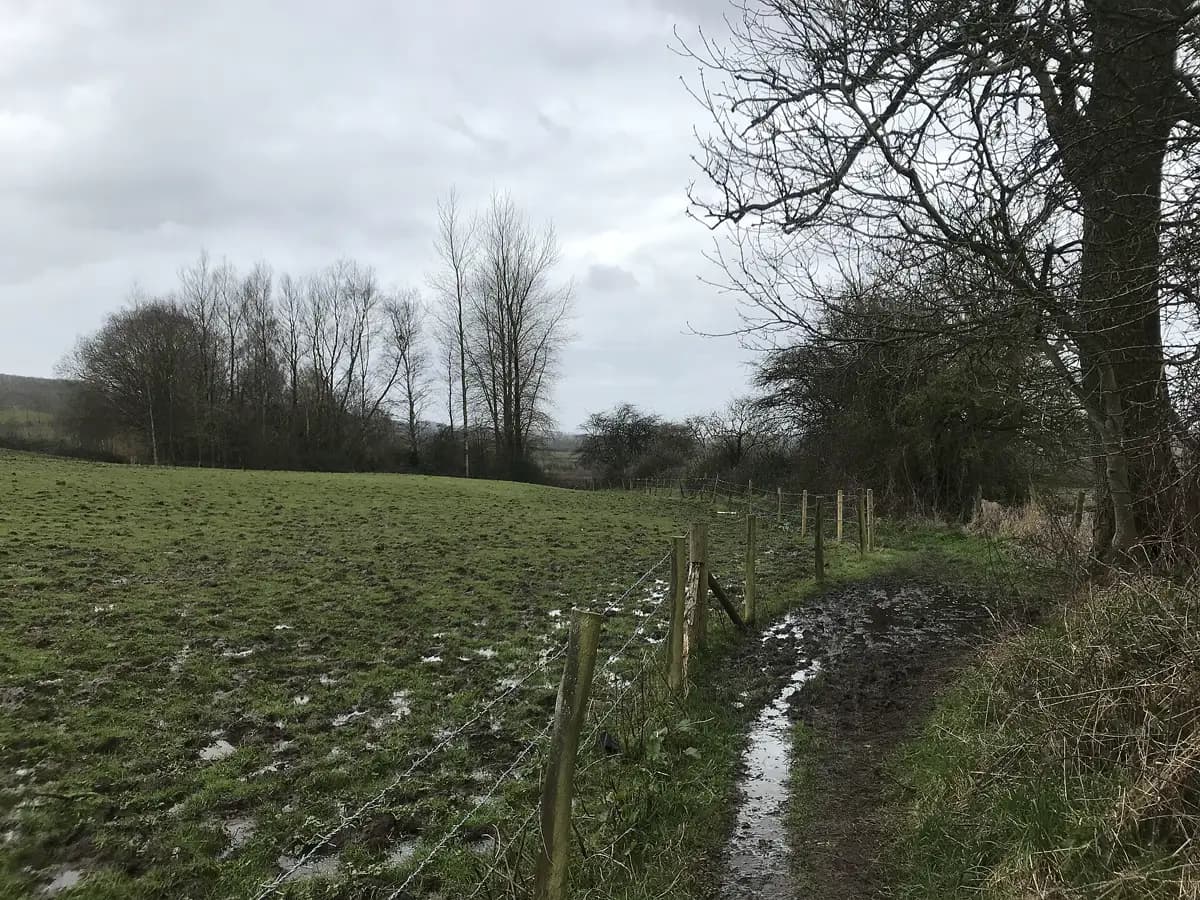
Winter is the quietest season on the path. You may walk for hours without meeting another through-hiker. Clear, cold days can give the sharpest long views across the Severn Vale - and frost or ice on north-facing slopes and polished limestone needs respect.
The trade-offs are real: short daylight, frequent mud, and fewer open luggage-transfer options (many vans pause mid-March to late October only). Some smaller B&Bs close midweek or for Christmas weeks. A torch, warm layers, and honest daily mileage matter as much as the map. Winter suits experienced walkers who already know how to pace a National Trail in soft ground - or locals doing day stages rather than a continuous Campden-to-Bath push.
If you do walk in winter, keep stages shorter than summer sketches, check path updates on the official trail notices, and follow the Countryside Code around livestock and wet fields. For context on what a National Trail expects of walkers year-round, see what is a National Trail.
Season comparison at a glance
Use this as a planning filter, not a forecast. Local conditions shift week to week - always check the weather before you set out.
| Season | Daylight | Crowds | Mud risk | Booking difficulty |
|---|---|---|---|---|
| Spring (Mar-May) | Lengthening; solid by May | Rising; Easter and Festival spikes | High after rain | Moderate to high near holidays |
| Summer (Jun-Aug) | Longest days | Highest on path and in towns | Lower, still wet after storms | Highest - book early |
| Autumn (Sep-Oct) | Shortening; plan earlier starts | Quieter than summer | Rising through October | Usually manageable with notice |
| Winter (Nov-Feb) | Short - limit daily miles | Quietest | Highest; ice possible | Easier beds; fewer transfer vans |
Practical tips for any season
- Carry waterproofs year-round. Escarpment weather changes faster than village forecasts suggest - see what to pack.
- Book summer and school-holiday nights months ahead; spring Festival and Easter weeks need the same urgency on northern hubs. Autumn is more forgiving but still protect scarce ridge stops first via staying guides.
- Match season to pace: crowded or short-day months favour a 10-day or slower plan over a forced 7-day march. Compare both in our 7 vs 10 day article.
- Confirm luggage-transfer season dates before you finalise overnights - many firms run roughly mid-March to late October. Details in how to choose luggage transfer and the luggage transfer service list.
- Direction is independent of season, but peak-month logistics still matter either way - see north to south or south to north.
- Build sightseeing into the month you choose: summer and autumn leave more light for must-see Cotswold Way sights and the wider sights directory.
Plan the next detail
Pick a season that matches daylight, mud tolerance, and how hard you want to compete for beds - then set overnight towns on the itineraries hub, skim the Cotswold Way stages, and keep a weather check alongside your map. May-June and September are the sweet spots for most first through-walks; everything else works if you plan for the season you actually get.