
5 Must-See Sights on the Cotswold Way
| Cotswold Way Team
Walking the Cotswold Way is more than ticking off miles. The Cotswold Way National Trail threads about 102 miles along the Cotswold escarpment from Chipping Campden to Bath, and the must-see sights along the route are what turn a long-distance walk into a journey through Gloucestershire history, landscape, and village life. Cotswolds walking rewards the walker who leaves room for detours: a folly on the skyline, a Tudor garden, a Roman mosaic under glass, a mid-trail pleasure garden, and a Gothic abbey at the southern finish.
This guide picks five Cotswold Way sights that sit on or near the path, ordered roughly north to south so you can match them to the stages of the Cotswold Way. Each stop earns its place whether you are through-hiking the National Trail or stitching day walks together. For the full map of landmarks, browse our sights directory.
1. Broadway Tower
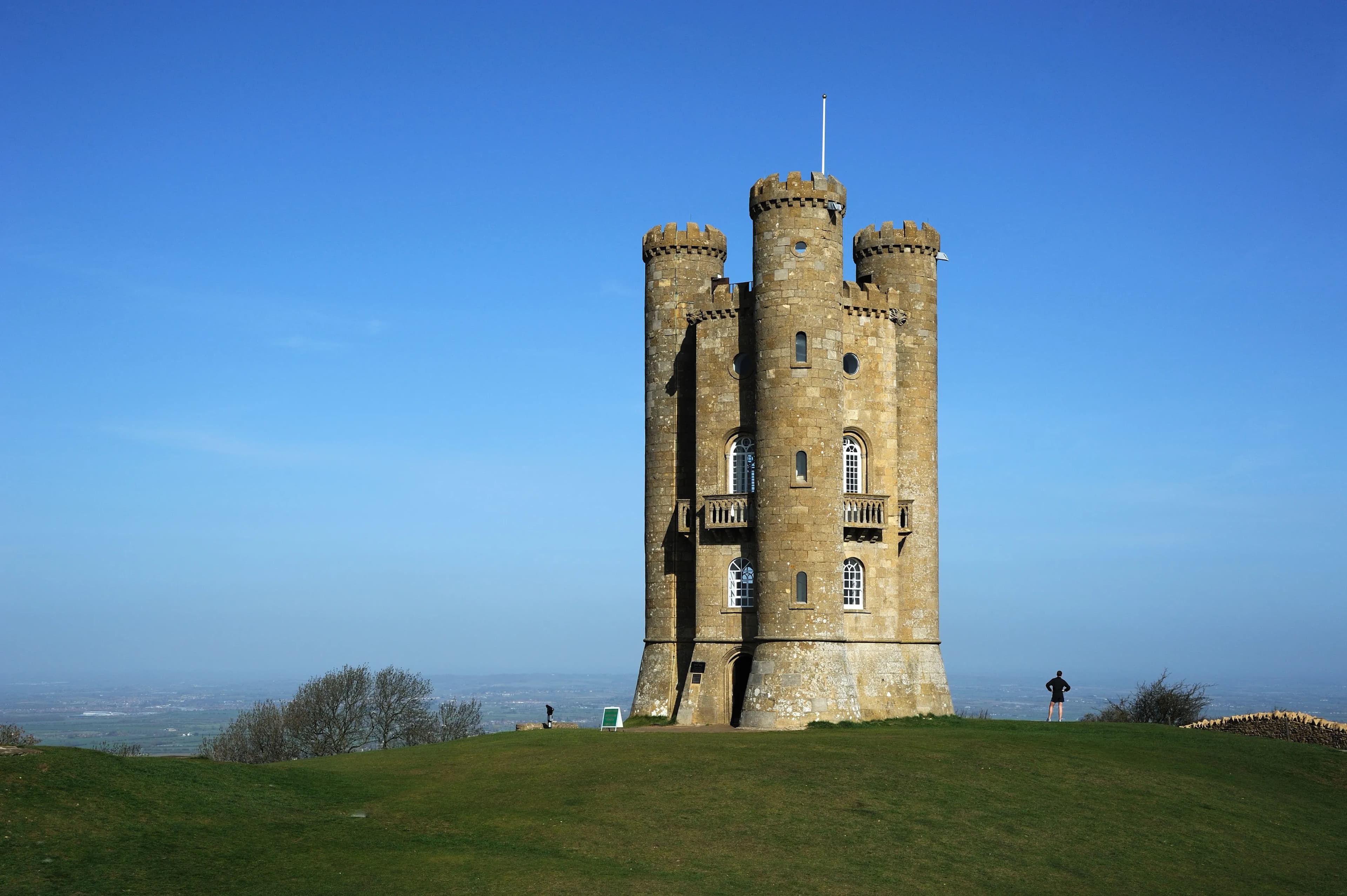
Broadway Tower is the postcard moment of the northern Cotswold Way. The Gothic folly of 1798 stands on high ground above Broadway, with rooftop views that pull the Cotswold escarpment, the Vale of Evesham, and distant Welsh hills into one sweep. Capability Brown once suggested a landmark here; the tower that followed still stops through-walkers on Stage 1 as they drop toward the High Street.
Why it matters for Cotswolds walking: the site packs museum floors, parkland, and often a Cold War bunker visit into a short climb from the trail. It is one of the clearest must-see sights for anyone walking the Cotswold Way in either direction - a place where the National Trail and the skyline meet.
2. Sudeley Castle
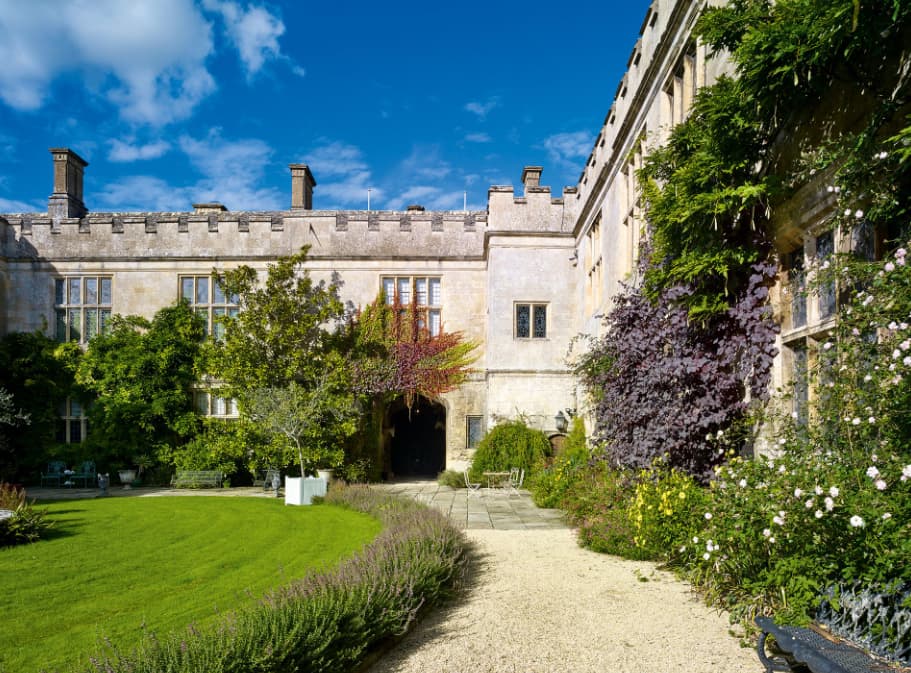
Sudeley Castle stands on the edge of Winchcombe, minutes from the Cotswold Way as it crosses the town. Formal and romantic gardens, Tudor history, and St Mary's Church - where Katherine Parr is buried - make it one of the richest Cotswold Way sights in Gloucestershire. The house is still partly a family home, yet enough of the estate opens that a rest day here feels like a proper chapter of the trail, not a roadside diversion.
Why it matters: many long-distance walk itineraries overnight in Winchcombe. Building Sudeley into that pause lets you recover from the northern stages of the Cotswold Way without leaving the story of the Cotswolds behind. Confirm opening days and tickets before you plan a full afternoon around the visit.
3. Chedworth Roman Villa
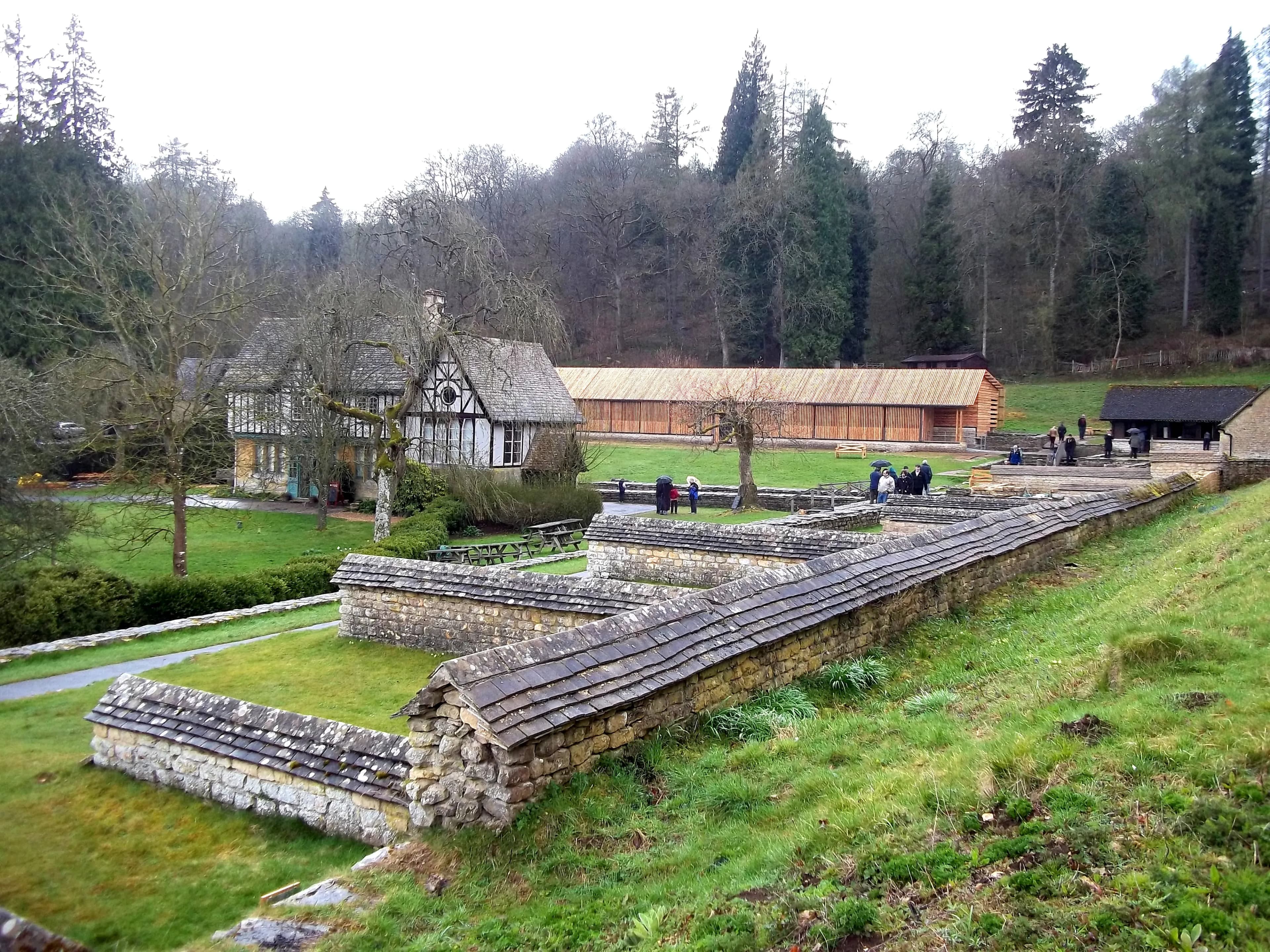
Mid-trail, the Cotswold Way National Trail brushes the wooded combes of the central Cotswolds. Chedworth Roman Villa is one of the largest Romano-British villas in the country: mosaic floors, bath-house remains, and a museum that explains life on a wealthy rural estate. National Trust coverings and walkways make it a practical Cotswold Way sight even in wet weather - a rare indoor depth on an otherwise open escarpment route.
Why it matters: walking the Cotswold Way is often sold as views and honey stone. Chedworth reminds you that Cotswolds walking also crosses two thousand years of settlement. Pair it with a shorter stage day or a rest-day hop from nearby overnight stops, and book timed entry in peak season.
4. Painswick Rococo Garden
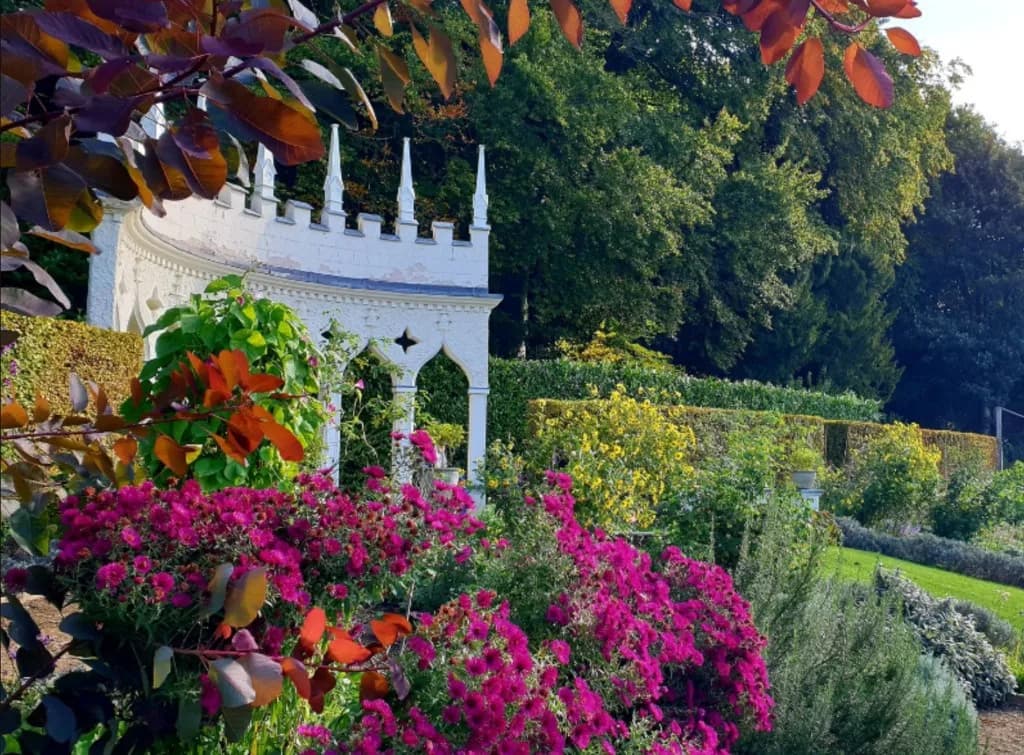
Around the midpoint of the Cotswold Way, Painswick offers a change of pace. Painswick Rococo Garden is a rare surviving eighteenth-century pleasure garden in a hidden valley above the town: woodland walks, seasonal planting, and playful Gothic follies a short signed stroll from Stages 8 and 9. Muddy boots from the National Trail are welcome, and the cafe makes an easy pause when the escarpment weather turns.
Why it matters: after the open commons and cheese-rolling slopes north of town, the garden is a softer Cotswold Way sight - designed landscape rather than raw scarp. It is ideal if your Cotswolds walking plan includes an overnight in Painswick, or if you want one cultural half-day without losing the thread of the long-distance walk.
5. Bath Abbey
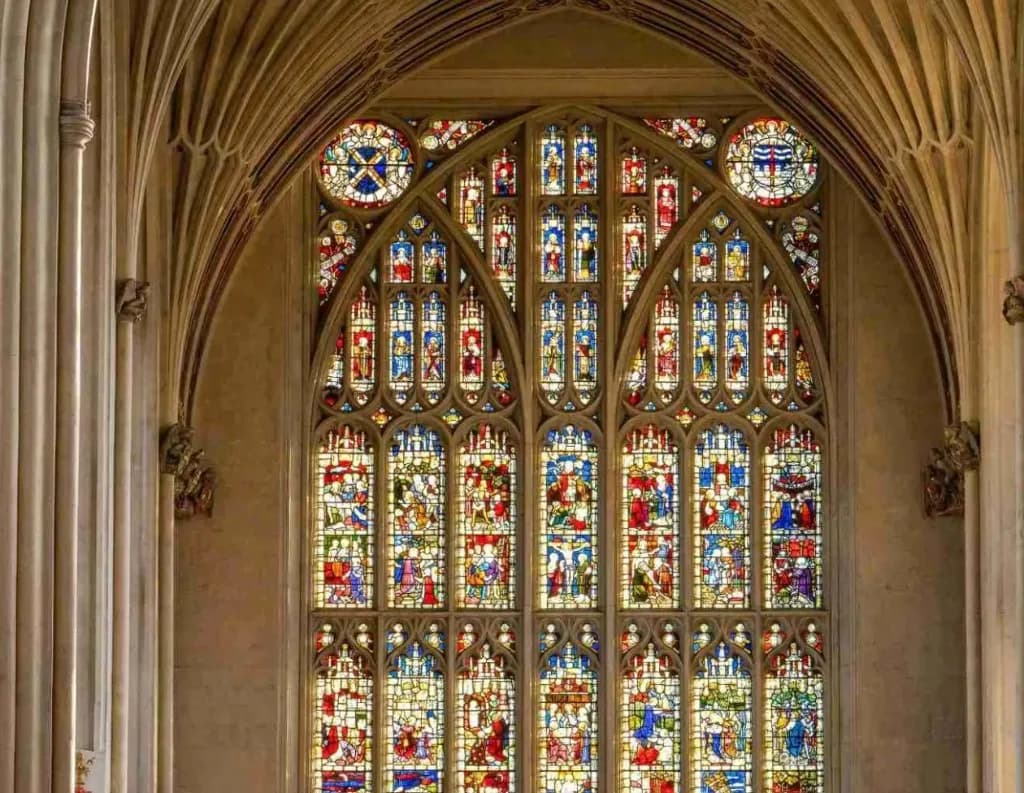
The southern end of the Cotswold Way National Trail finishes in Bath, and Bath Abbey is the natural full stop. Perpendicular Gothic stonework, fan vaulting, and stained glass fill the church a few steps from the official finish marker in the Abbey Churchyard. For walkers who have followed the Cotswold escarpment for a week or more, standing here is the ceremonial close of a long-distance walk - and a gateway to the Roman Baths next door if you still have energy for one more Cotswold Way sight.
Why it matters: finishing in Bath is half the point of walking the Cotswold Way southbound. The abbey ties the trail to city history rather than leaving you at a suburban pavement. Check visiting hours around services, then celebrate with coffee in the square while other finishers arrive.
Keep exploring the trail
These five must-see sights are a starter set, not a closed list. The Cotswold Way still holds hillforts, abbey ruins, steam railways, and village museums for different stages and moods. Use our Cotswold Way sights pages to plan diversions, match overnight towns to stages of the Cotswold Way, and shape a Cotswolds walking itinerary that fits your pace. Whether you are new to the National Trail or returning for another long-distance walk, leave room for the landmarks - they are why the Cotswold Way stays with you after the boots come off.