
Cotswold Way: north to south or south to north?
| Cotswold Way Team
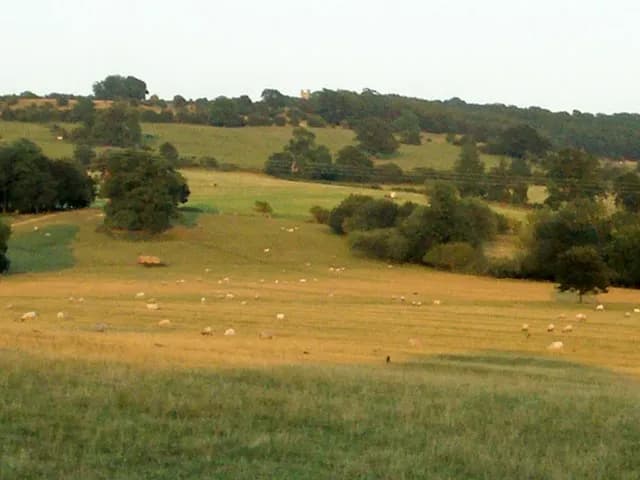
One of the first decisions when walking the Cotswold Way is direction: north to south from Chipping Campden to Bath, or south to north the other way. The Cotswold Way National Trail runs about 102 miles along the Cotswold escarpment, and National Trails guidance treats both directions as valid - the path is waymarked either way. There is no wrong choice, only different logistics, view sequences, and finish atmospheres.
This guide compares the classic southbound walk with the northbound alternative so you can match direction to trains, guidebooks, and the kind of ending you want. Pair it with the stages of the Cotswold Way and a 7- or 10-day itinerary once you have picked a way to face.
North to south: Chipping Campden to Bath
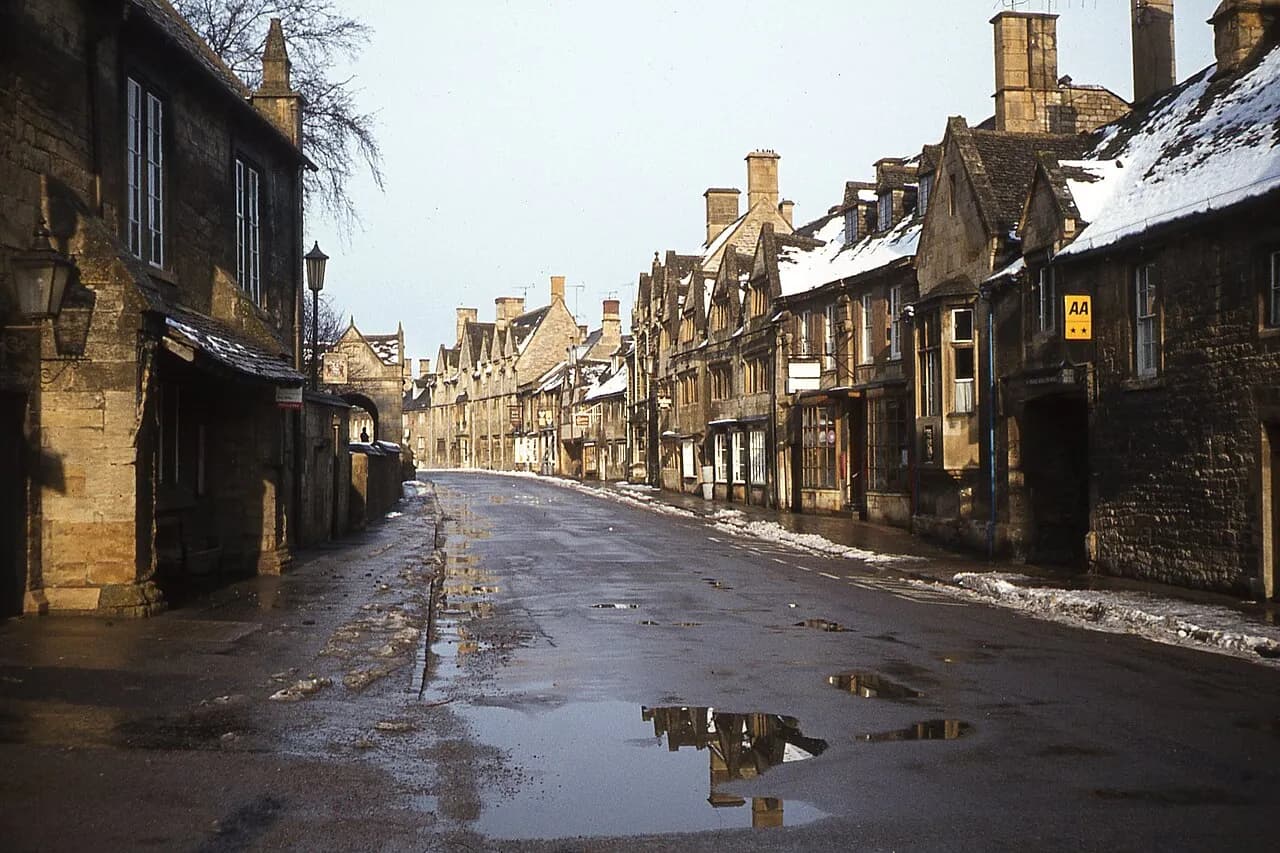
North to south is the guidebook default for walking the Cotswold Way. Most printed guides describe the trail from Chipping Campden toward Bath Abbey, and many sample itineraries assume that order. You begin in a honey-stone market town, climb onto the escarpment early, and finish in a World Heritage city with strong rail links.
For many walkers the southern finish is the emotional payoff: days of ridge walking resolve into Bath's Abbey Churchyard disc. Escarpment views often feel more striking walking south, with the west-facing edge ahead of you and long prospects over the Severn Vale opening as you go. Northern landmarks such as Chipping Campden Market Hall, Dover's Hill, and Broadway Tower come early, when legs are freshest.
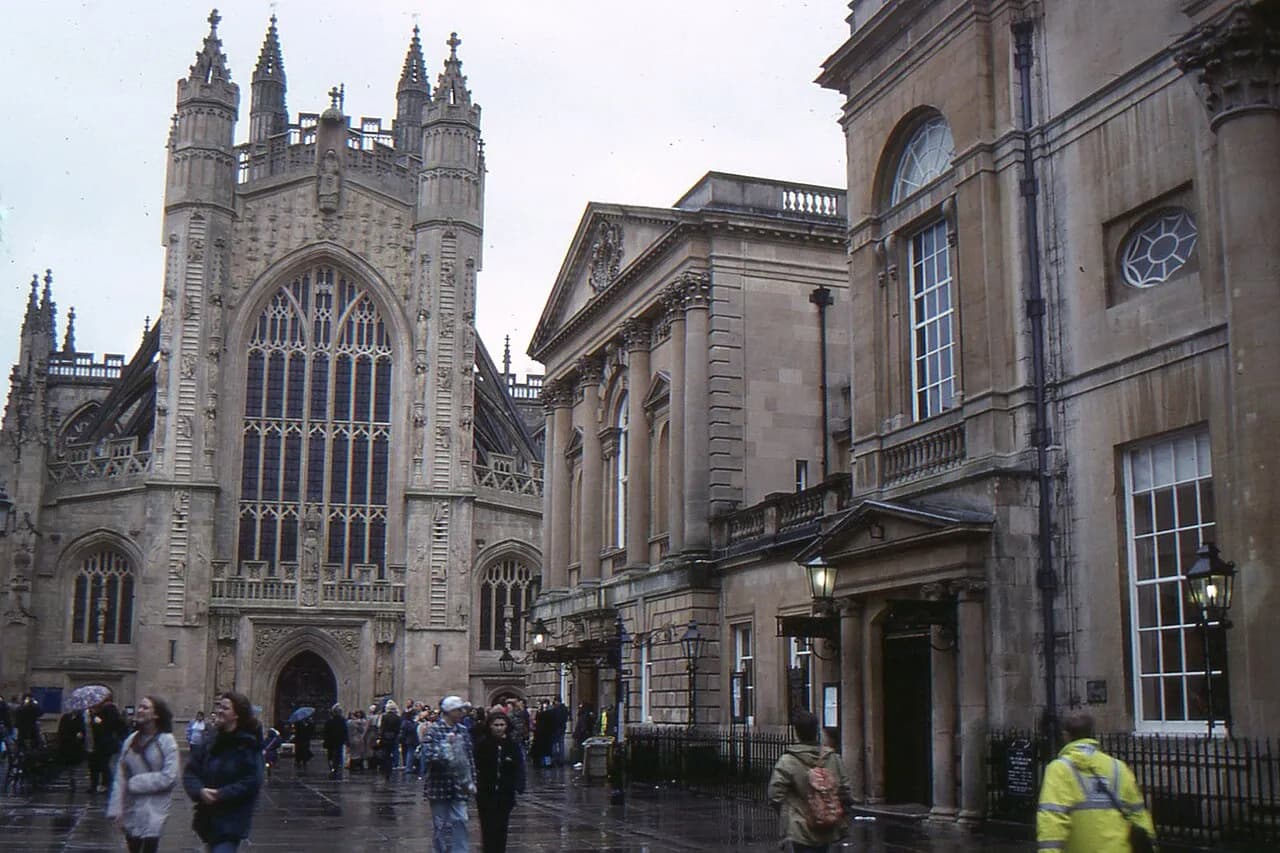
Logistics favour this direction if you want an easy exit after the last stage. Getting to Bath by train is straightforward from Bath Spa, a short walk from the abbey. The trade-off is reaching the quieter northern start: getting to Chipping Campden usually means rail to Moreton-in-Marsh plus a taxi or bus. Plan an overnight before Stage 1 so you are not rushing the Market Hall start.
South to north: Bath to Chipping Campden
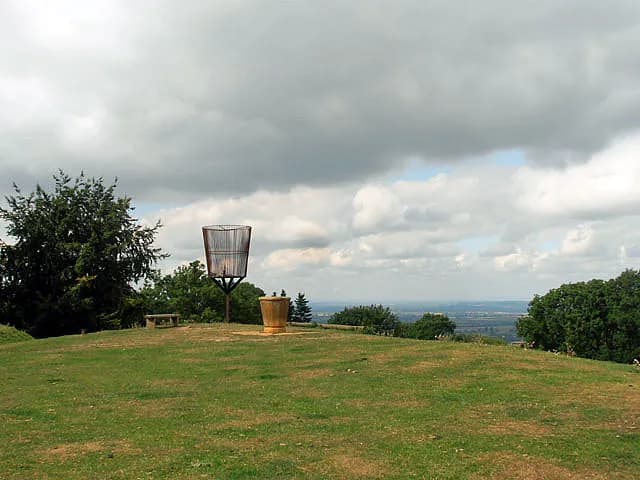
South to north is fully waymarked and every bit as legitimate. You leave Bath Abbey behind and walk toward the Cotswold towns, reversing the usual guidebook narrative. The view sequence changes: city fringe and southern scarp first, then mid-trail villages, with the dramatic northern escarpment - Dover's Hill, Broadway country, Campden - saved for the end.
Train logistics are often easier at the start. Arrive into Bath Spa, stay a night, and walk out when you are ready. Finishing in Chipping Campden means ending in a small Cotswold town rather than a city - quieter pubs, Market Hall stone, and a taxi back to Moreton-in-Marsh for the train. Some walkers prefer that intimate ending; others miss Bath's celebrations and onward connections.
Check guidebooks and apps before you buy. Many are written primarily north to south, so a two-way guide or strong map habit helps if you reverse the trail. See maps and navigation for options that describe both directions.
Both directions are valid
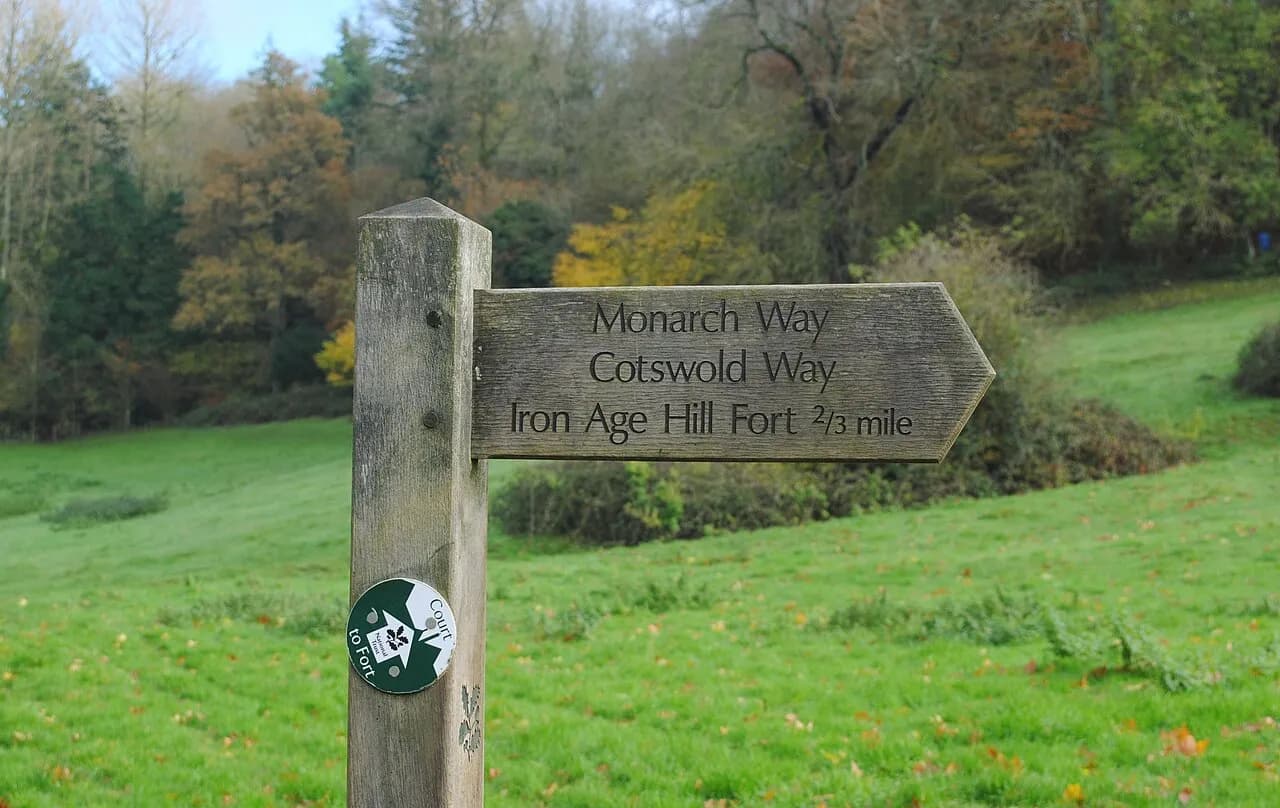
National Trails treat the Cotswold Way as a route you can walk either way. Acorn waymarks and fingerposts cover northbound and southbound travel; overlapping paths such as the Monarch's Way share posts in places, so a map still matters. Choose direction for the finish you want, the trains you can book, and whether you prefer guidebook order or a quieter reverse walk - not because one way is "correct."
Sights sit on the same ground either way. Use our must-see Cotswold Way sights and the sights directory to place Broadway Tower, Cleeve Hill, Painswick, and Bath Abbey on your calendar regardless of which way you face.
Practical tips that work either way
Accommodation. Book overnight hubs early in peak season whether you walk north to south or south to north. Towns such as Winchcombe, Painswick, Dursley, and Wotton-under-Edge fill from both directions. Browse Cotswold Way accommodation by town and lock scarce ridge stops first.
Luggage transfer. Bag services move between the same overnight towns in either direction - confirm your provider covers your chosen sequence and cut-off times. See how to choose Cotswold Way luggage transfer before you finalise stage lengths.
Maps and pacing. Ordnance Survey mapping and National Trail waymarks work both ways. Day length still depends on fitness and weather more than compass heading - use a 7 vs 10 day Cotswold Way itinerary as a pacing sketch, then reverse the overnight list if you walk south to north.
How to decide
Choose north to south if you want the classic guidebook narrative, early escarpment drama from Campden and Broadway, and a city finish at Bath Abbey with simple train departures.
Choose south to north if starting from Bath Spa is simpler, you like saving the northern Cotswold towns for the end, or you want a quieter finish in Chipping Campden.
Either way you are walking the same National Trail. Pick the direction that fits your travel plans, then build stages, nights, and sights around it - and leave a little slack for weather on the edge.