What is a National Trail?
| Cotswold Way Team
If you have walked the Cotswold Way and noticed the acorn on a waymark, you have already met the National Trails network. That small symbol marks routes set apart by law, managed to higher standards, and designed so people can make longer journeys through some of the finest countryside in the UK.
The founding idea
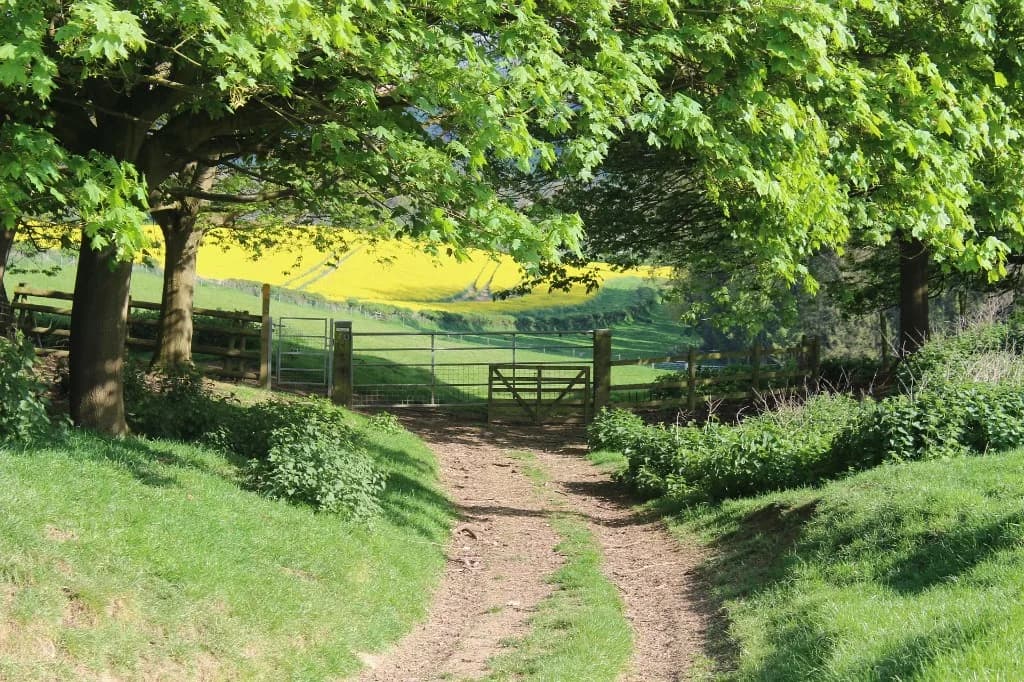
The vision for National Trails goes back more than 75 years. The National Parks and Access to the Countryside Act 1949 set out that the public should be able to make extensive journeys on foot, horseback, or bicycle along particular routes - routes that, for most of their length, do not follow roads mainly used by vehicles.
That idea grew from earlier campaigning. Journalist Tom Stephenson is widely credited with sparking the first trail, the Pennine Way, after arguing that Britain lacked continuous long-distance routes comparable to trails abroad. Wider efforts by countryside and access groups helped shape the Hobhouse reports of 1947, which fed into the 1949 Act and laid the foundations for today's network.
What are the National Trails today?
There are 21 National Trails across England, Wales, and Scotland, covering more than 5,000 miles. They are designated under the 1949 Act in England and Wales, and under Scotland's Countryside (Scotland) Act 1967 for the long-distance routes marked with the thistle.
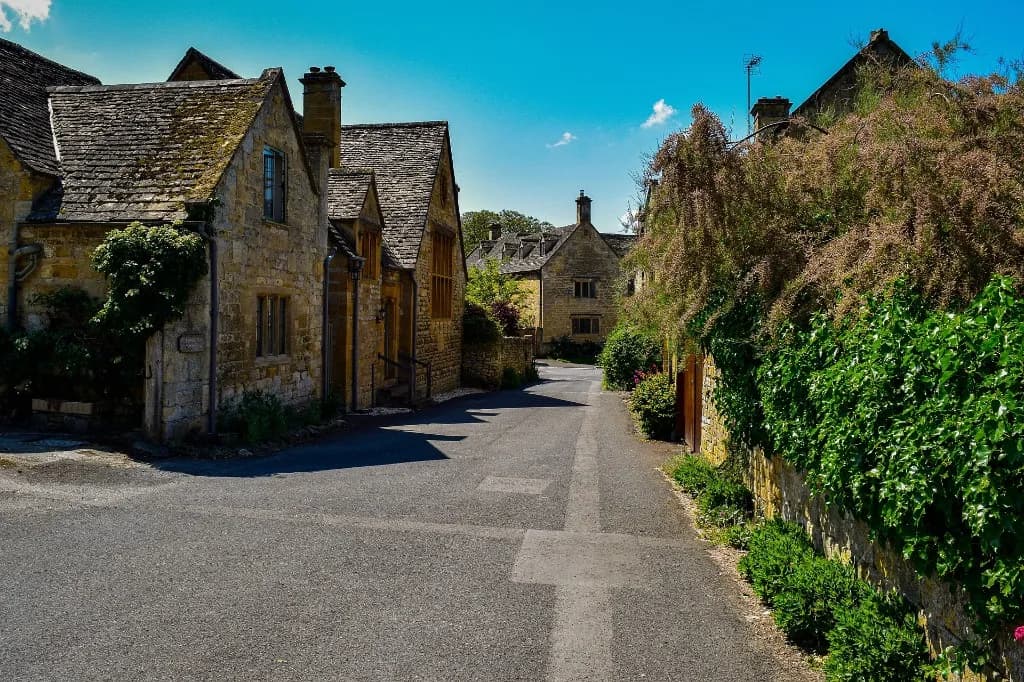
The Cotswold Way sits in that family: a National Trail running roughly 102 miles from Chipping Campden to Bath, following the Cotswold escarpment through villages, woodland, and open grassland. National Trails are not only remote hill tracks. Many pass through settled landscapes - historic villages, farmland, and Areas of Outstanding Natural Beauty (now often branded as National Landscapes) - so a day's walking can mix open views with streets of local stone.
How do they differ from other public rights of way?
The UK has a vast network of footpaths, bridleways, and byways. National Trails are different because they are managed to published quality standards. In England and Wales they receive core maintenance and repair funding from Government, reflecting their national importance. In practice that usually means clearer waymarking, more consistent path care, and a coordinated approach to looking after the route as a whole - not just as a chain of local paths. Look for the acorn symbol in England and Wales, or the thistle in Scotland, to confirm you are on a National Trail.
Who can use them?
Not every National Trail is footpath-only. The network includes a mix of rights of way, so on some sections you can walk, cycle, horse-ride, or use other non-motorised access where the legal status allows. That is why National Trails organisations often talk about "users" rather than only walkers.
On the Cotswold Way, the classic experience is long-distance walking, but linked routes and nearby bridleways support other ways of exploring the wider Cotswolds. See our Activities pages for walking, cycling, and horse-riding guidance.
How does a route become a National Trail?
A new National Trail is designated by the responsible Government Minister. Natural England or Natural Resources Wales prepares a report recommending the route, after consulting interested parties such as walking and riding organisations, local authorities, National Parks or National Landscapes along the line, landowners, and the public. The report also covers the cost of bringing the path up to National Trail standard and the funding needed to keep it there.
There is no simple public shortlist or fixed checklist for nominations. Most trails exist because of years of campaigning by charities, community groups, and individuals - from the early Hobhouse-era proposals through to newer routes such as the Coast to Coast Path.
A note on the England Coast Path
The King Charles III England Coast Path is part of the National Trails family, but it has features that set it apart, including a coastal margin of wider access land and "roll back" so the right of way can move inland if the coast erodes. It was enabled by the Marine and Coastal Access Act 2009 as well as older rights-of-way law.
Scotland's thistle-marked long-distance routes are National Trails in spirit, though the "National Trails" brand is managed by Natural England and Natural Resources Wales. Access law in Scotland also differs, with a broader responsible right of access under the Land Reform (Scotland) Act 2003.
Why this matters on the Cotswold Way
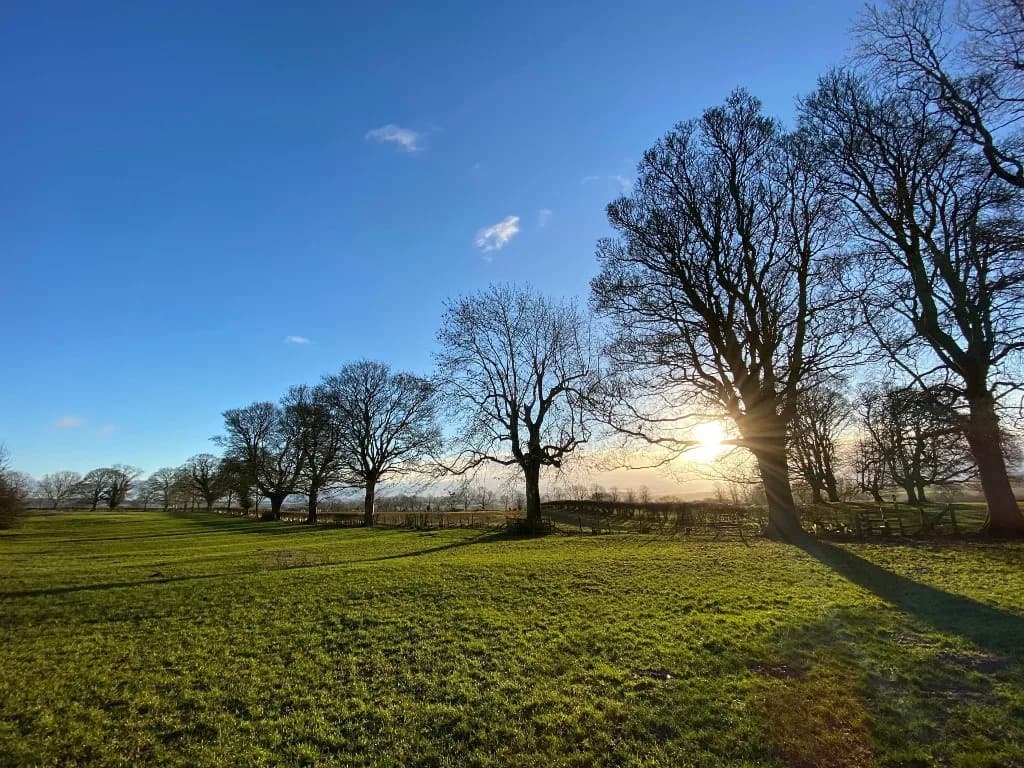
Knowing you are on a National Trail helps explain the care that goes into waymarks, gates, and path repairs - and why supporting trail upkeep matters. If you are planning a journey along the Cotswolds edge, start with The Way, break the route into stages, and follow the Countryside Code so these routes stay welcoming for the next generation of walkers.