Weather and seasons on the Cotswold Way - climate notes, monthly average temperatures and rainfall, and how conditions affect walking on exposed escarpment and sheltered valley paths.
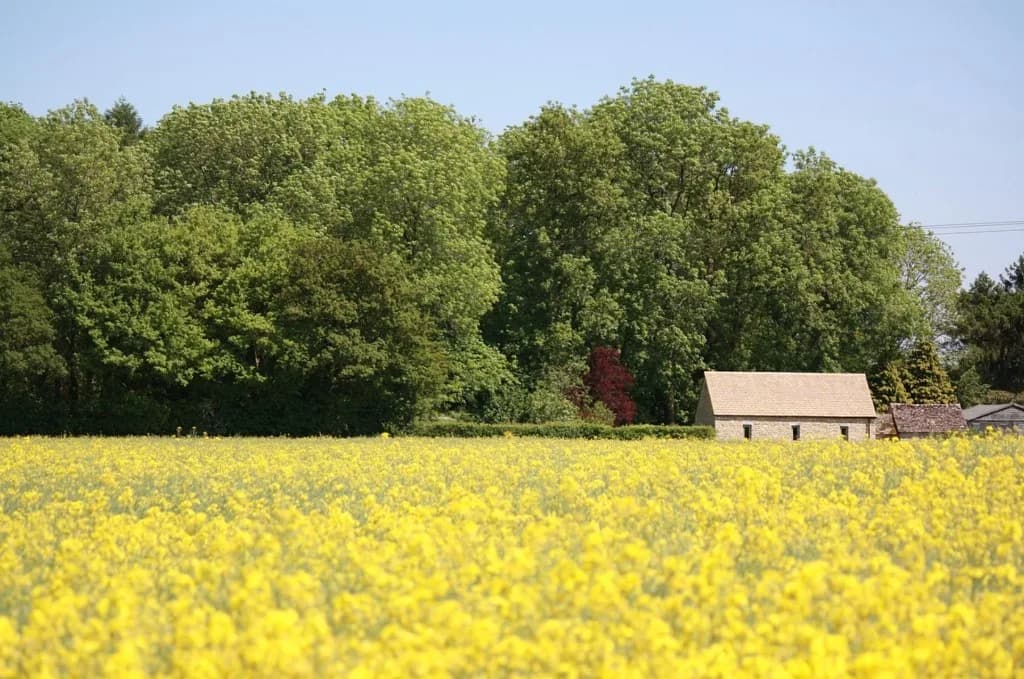
The Cotswolds sit in a mild maritime climate: winters are rarely severe, summers are rarely extreme, and rain can arrive in any month. On the Cotswold Way that means packing layers even in July - and expecting the escarpment to feel cooler and windier than the villages in the valleys below.
Limestone grassland, beech woodland, and arable fields frame the walk through the year. Weather shapes what you see as much as what you wear: blossom and bright rape fields in spring, deep green canopy in summer, copper beech and muddy tracks in autumn, and short, soft-light days in winter when clag can sit on the ridge.
For how those seasons affect crowds, mud, daylight, and booking lead time on a full through-walk, see best time of year to walk the Cotswold Way.
After rain, expect slippery limestone on the escarpment and sticky clay in the vales. Exposed stretches - especially around Cleeve Hill - catch more wind than sheltered lanes near villages. Check the forecast before you set out, carry waterproofs year-round, and see what to pack for kit that matches the conditions.
Figures below are representative long-term averages for the Cotswold escarpment area. They are a planning guide, not a forecast - local conditions can differ from day to day.
Pair a weather check with solid maps and navigation so you can adjust stages if a front arrives mid-walk. Averages help you choose the season; the forecast helps you choose the day.