How to train for the Cotswold Way - general fitness, breaking in footwear, daily activity, a short strength routine, and backpack walks so your body recovers well and carries the load comfortably on multi-day stages.
The Cotswold Way is a long walk, not a technical mountain route. General fitness is what matters most: the trail is not specialised enough to demand niche skills or sport-specific drills. If you can walk for several hours, recover overnight, and do it again the next day, you are already close to ready. Focus on building that base in the weeks and months before you set off, then match your plan to the stages you intend to walk.
Training in the boots or trail shoes you will wear on the walk is essential. Let your feet, ankles, and lower legs adapt to the fit, stiffness, and grip before you ask them to cover 102 miles. New footwear on day one is a common cause of blisters and hot spots. Break them in on shorter walks, then on longer ones, so small issues show up at home rather than halfway to Bath. Pair this with the kit notes in what to pack.
Increase your tolerance for physical activity a little every day. The point is not only stronger legs - it is teaching your body to recover better between efforts. Short walks, stairs, cycling errands, and time on your feet all count. Standing while you do computer work can also help: more hours upright each week quietly builds the endurance you need on multi-day stages.
A short daily strength routine supports hills, descents, and long hours on uneven ground. Fifteen minutes is enough if you stay consistent:
Keep the movements controlled. If something hurts sharply, stop and ease back rather than pushing through.
Do longer walks with the backpack you plan to carry. Loaded miles teach you whether the pack is too heavy, whether the hip belt and straps sit well, and how your shoulders and traps feel after hours under weight. Use those sessions to shed unnecessary kit and adjust the fit until the load feels settled on your hips rather than hanging from your neck. That practice pays off when you walk consecutive stages with a daypack or overnight gear. Match training volume to the pace you choose - longer combined days on the 4-day and 7-day itineraries need more back-to-back practice than a slower plan.
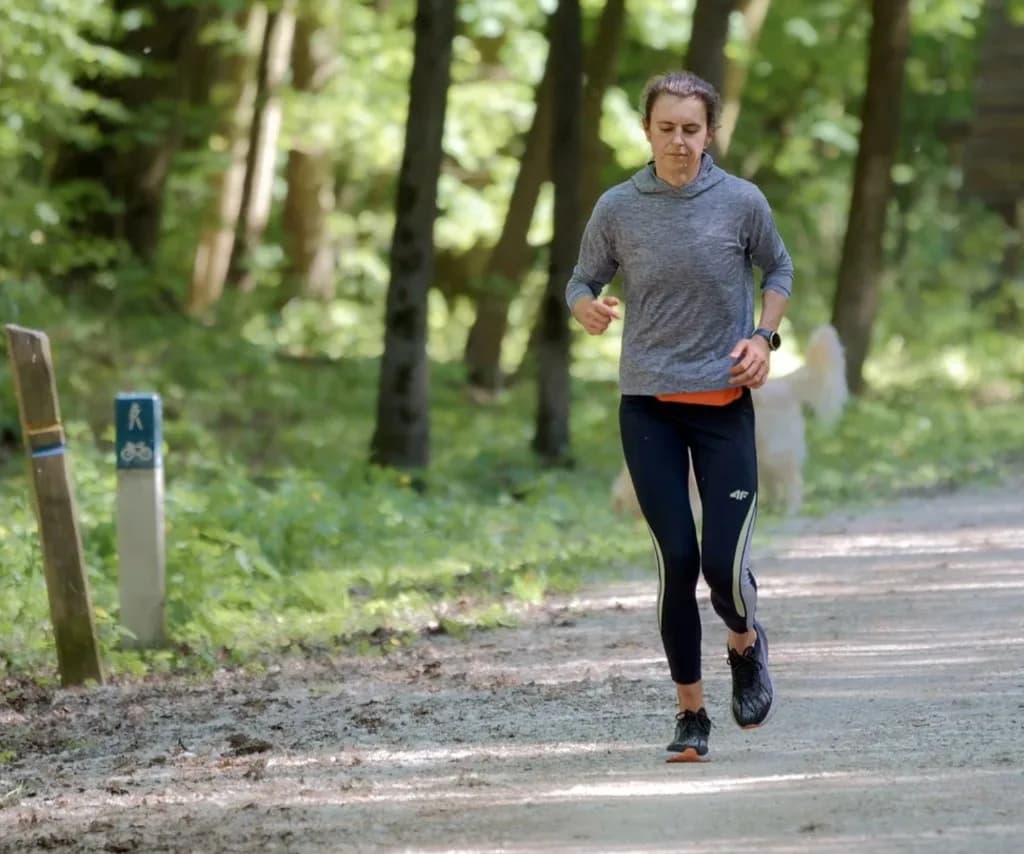
Running is of course a strong addition if you already enjoy it. Easy runs build aerobic fitness and recovery without needing long hours every day. Keep them conversational in pace, and do not replace all of your walking practice - the trail still rewards time on foot in the footwear and pack you will use on the Way.